
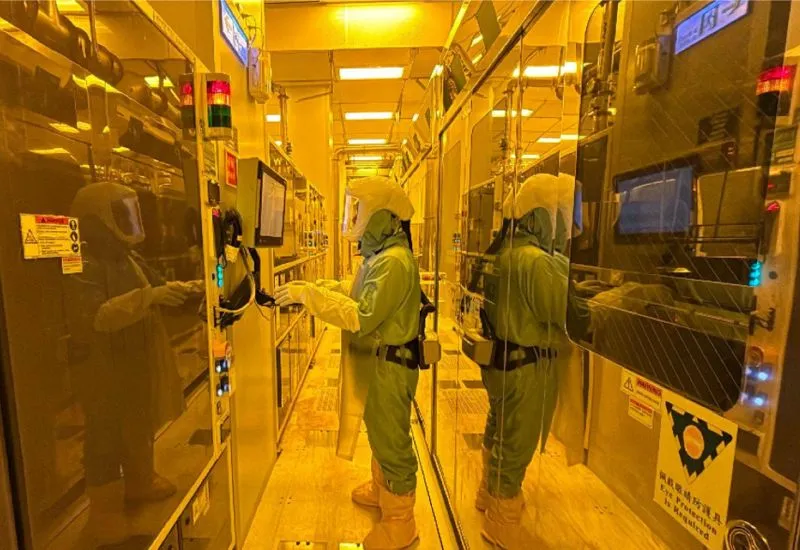
Yesterday, China’s leading contract chipmakers reported solid revenue growth and more impressive profit growth, with Semiconductor Manufacturing International Corporation traditionally in the lead. Analysis of the speeches of company representatives at the morning quarterly event showed that in the field of AI infrastructure peripheral chips, SMIC’s revenue grew by 40%.
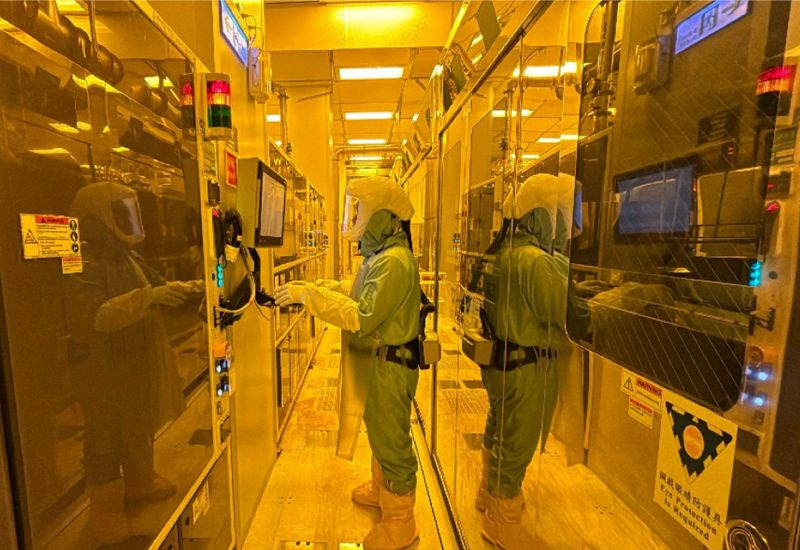
Image source: TSMC
SMIC itself calls this trend a “side effect” of the artificial intelligence boom. Zhao Haijun, general manager of the company, said Nikkei Indexexplains this situation with the following example: “We are seeing huge demand for edge chips that support AI infrastructure. If an AI server contains 72 graphics processing units (GPUs), it will require 16,000 chips for the power subsystem. This shows how high the demand is.”. In addition, demand for SMIC’s products has increased due to import substitution efforts in China’s electronic components market. If Chinese customers did not account for more than 84.1% of the company’s revenue last year, this proportion will rise to 90.2% in the second quarter of this year. The U.S. market share dropped from 12.9% to 8.2%.
Given these market conditions, SMIC sees no opportunity to lower its service prices this year. The company just hasn’t raised prices for chip production in smartphones, automotive electronics and industrial automation as the corresponding business areas show falling demand. At the same time, SMIC observed an increase in sales of overall unpopular products. In smartphones and TVs, some customers are hoarding chips out of fear of future supply disruptions and rising prices. In any case, SMIC will only try to increase prices after consulting with customers and limit the increase to a reasonable range. In the first half, the company had to spend $3.4 billion in capital expenditures related to expanding production capacity.
In the second quarter, SMIC processed 2.87 million 200mm equivalent silicon wafers, an increase of 20% compared with the same period last year. At the same time, its conveyor utilization rate increased from 92.5% to 93.7%. Most of the silicon wafers processed were in the client equipment segment, although its share fell from 46.2% to 44.2%. At the same time, the share of automotive electronics and industrial automation increased from 10.6% to 16.5%.
If you find an error, select it with your mouse and press CTRL+ENTER.