

Over the past five years, Microsoft has closed or phased out at least 15 subsidiaries and joint ventures in China, a process that will only accelerate in 2026. The company has pledged its commitment to the Chinese market and insisted it has no plans to leave the country, but it is reducing its presence in multiple directions simultaneously.
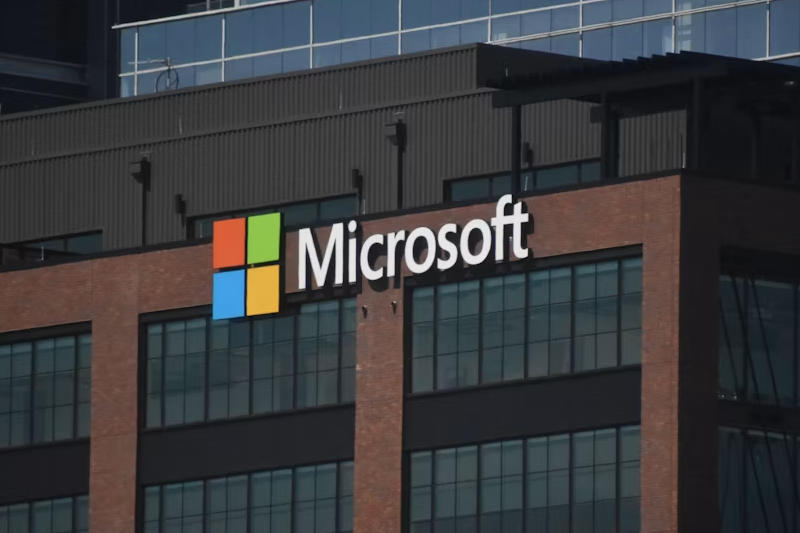
Image credit: Simon Ray / unsplash.com
In April 2025, one of its largest external suppliers, MicroPort Software (founded in 2002 with the participation of Microsoft and Chinese partners), began to gradually end its cooperation with Microsoft in China. This resulted in the loss of approximately 2,000 jobs. The second direction is production. Microsoft is moving a large portion of its Surface, Xbox and server hardware production out of China to reduce its reliance on Chinese suppliers. 3. Retail: In 2024, the company will close all authorized physical stores in mainland China and switch to selling online with partners. Finally, staffing levels are decreasing. In June 2026, Microsoft’s Azure cloud department in China laid off 200 to 400 employees. This is at least the third cut in two years: Employees’ employment contracts were terminated on July 6, and severance packages could amount to seven months’ salary.
The process is systemic in nature. Since 2017, Beijing has required government customers to purchase only local software. Of the six Chinese government procurement guidelines released between December 2023 and May 2026, only one mentioned Microsoft. This does not mean that its products are banned, but technical administrators using its services must undergo additional checks. U.S. sanctions and the strengthening of Chinese competitors have exacerbated the problem. As of 2024, China will account for only 1.5% of Microsoft’s global revenue.
Microsoft cannot sever ties with China either. It remains the cloud provider of choice for Chinese businesses operating overseas – Azure is the choice for giants like ByteDance and Shein, while for Microsoft it is its largest China-related business. The software giant is giving Chinese enterprise customers exclusive access to Western artificial intelligence models, including models from OpenAI, which does not serve China directly. Alumni of Microsoft Research China include senior executives from SenseTime and DeepSeek.
Human resources remains the most challenging. In 2024, Microsoft offered 1,000 of China’s top artificial intelligence and Azure engineers the opportunity to travel to the United States, Australia and Ireland, but only a third agreed. Microsoft Research Asia has opened additional labs in Vancouver, Singapore and Tokyo. Microsoft’s revenue in the fourth quarter of fiscal year 2026 was US$90.01 billion, while Azure’s revenue for the entire fiscal year exceeded US$100 billion. In China, Microsoft lags in almost every measurable area except the areas most important for profitability. So she wasn’t ready to leave the country entirely.
It can be seen that Microsoft is indeed reducing its business in China, but it is not yet ready to completely withdraw from the market. The company is shedding some of its businesses that have become less profitable or more complex due to geopolitical and regulatory restrictions, while retaining its most valuable businesses — primarily cloud and artificial intelligence services for Chinese companies operating in global markets.
If you find an error, select it with your mouse and press CTRL+ENTER.