
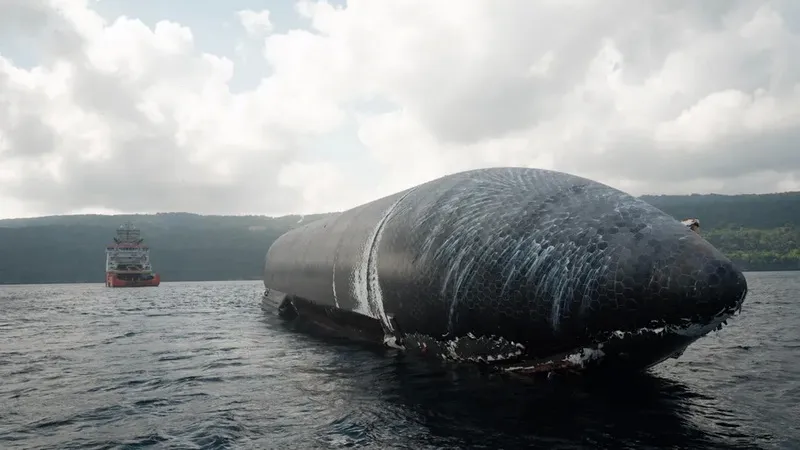
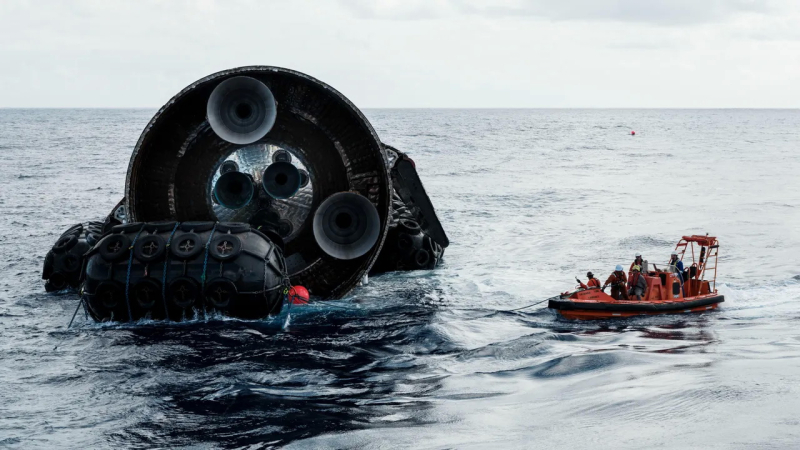
The SpaceX Starship rocket upper stage that survived its 13th test flight was towed to Christmas Island after drifting in the Indian Ocean for 24 days. Space.com writes that predictions of possible flooding of the stage did not materialize.
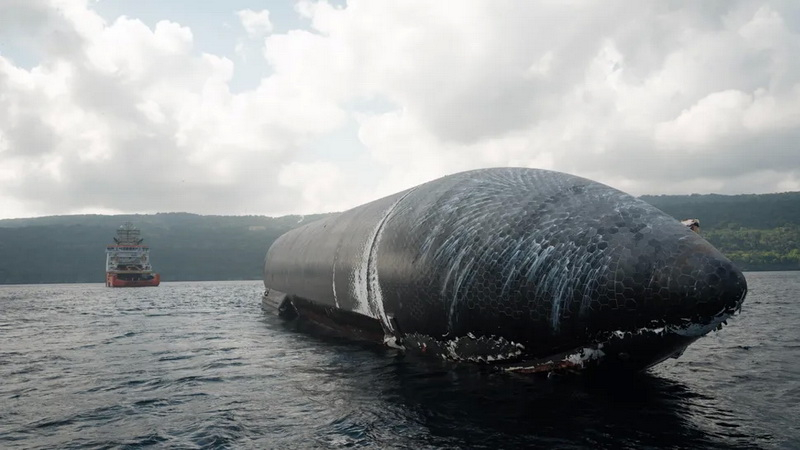
Image source: SpaceX
The Ship 40 stage, used for Starship’s 13th test launch, successfully landed in the ocean for the first time on July 24 after taking off from SpaceX’s Starbase launch site in South Texas. The spacecraft landed in the Indian Ocean as planned. Since then, the device has been the focus of the SpaceX recovery team tasked with transporting it to port.

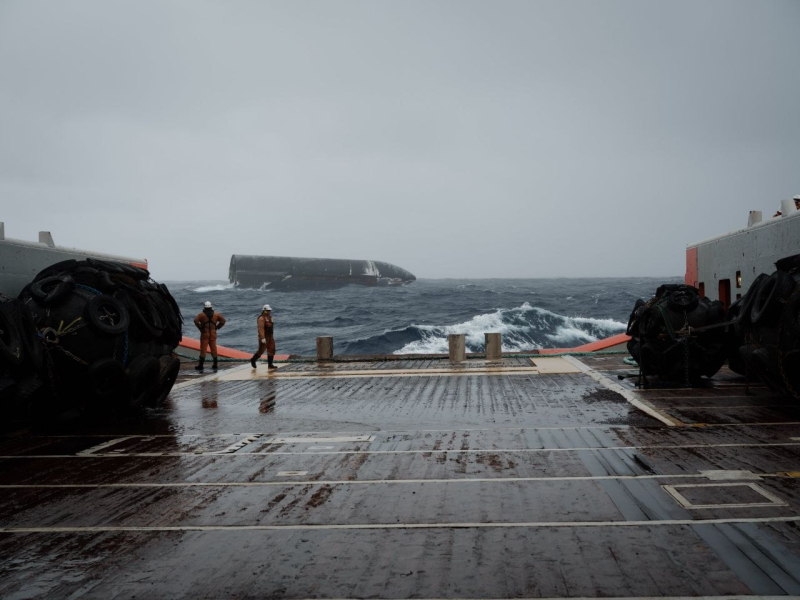
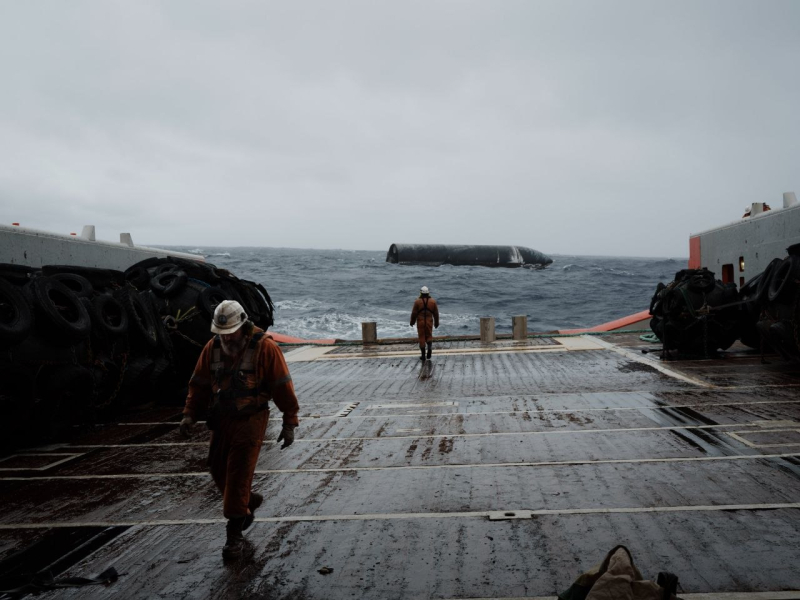
SpaceX recovery team must deal with ‘challenging conditions and continued rough oceans’ report SpaceX August 7. At one point, it looked like the team’s efforts to safely transport the Ship 40 to shore would be successful. However, despite the difficulties, the water above calmed down. The 52-meter-long giant spacecraft is currently drifting off the coast of Christmas Island, awaiting inspection. “A team of SpaceX engineers is being sent to calmer waters to conduct further analysis of the vehicle before attempting to return it to Starbase. “,— report The company updated on August 18.
Christmas Island is a small island in the Indian Ocean and a non-self-governing external territory of Australia, located approximately 1,900 kilometers northwest of Broome, Australia. Most of the island is a national park and is famous for being home to some 40 million red land crabs. They migrate in large groups to the sea to lay their eggs, which is one of the most impressive sights in the wildlife world.
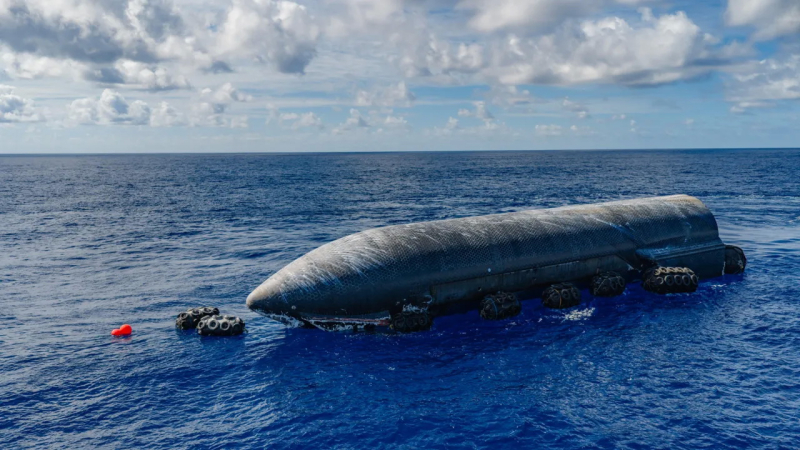
Starship’s 13th launch was the second test flight of SpaceX’s new launch vehicle Starship V3. The first launch of Starship V3 as part of mission 12 did not go exactly as planned: due to engine problems after stage separation, it fell into the Gulf of Mexico instead of splashing down gently as planned. Like Ship 40, Ship 39’s first stage landed over the Indian Ocean, but exploded after splashing down. The Ship 40 stage used on Starship’s 13th launch was the first stage to splash down and caused no major damage. The fact that it didn’t explode upon landing gave SpaceX an unexpected opportunity to study the craft up close. The company uses an iterative Starship development process—each subsequent launch improves the rocket and makes it more reliable. Ship 40 is the first Starship class to fly into space and return intact, and therefore represents previously unexplored materials available for evaluation while SpaceX continues to work on improving Starship’s aerodynamics, hydraulics, thermal efficiency and overall design.
Starship is described as SpaceX’s first reusable super-heavy launch vehicle and is designed to be the most powerful rocket in the world. NASA has signed a contract with SpaceX to build a version of Starship to send astronauts to the moon as part of the 2028 Artemis 4 mission. During the Artemis 3 mission planned for 2027, Starship V3 is planned to be launched to conduct rendezvous and docking exercises with the Orion spacecraft in low Earth orbit.
SpaceX is already preparing for the 14th test launch of Ship 41 and its Super Heavy upper stage rocket. In this flight, SpaceX plans to not only launch the upper stage of Starship into low-Earth orbit, but also plans to return the spacecraft to Starbase for recovery. There are plans to use the Mehazilla tower’s giant robotic arm to capture the stage. This test is an important step towards starship reusability. SpaceX hopes to conduct its 14th test flight by the end of August. CEO Musk announced the news earlier this month during the company’s financial results report.
If you find an error, select it with your mouse and press CTRL+ENTER.