
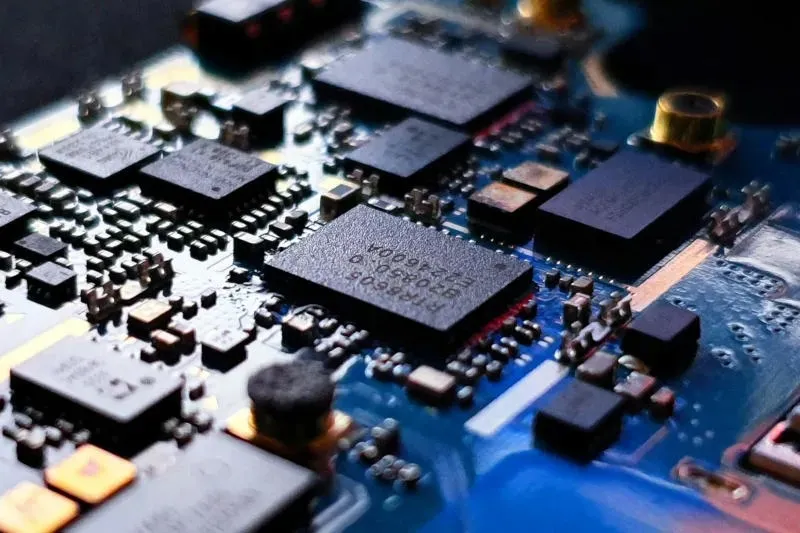
Printed circuit board manufacturers have appealed to the Ministry of Industry and Trade to relax product localization requirements due to domestic material shortages. A forced switch to Russian raw materials could disrupt production plans for the industry’s fourth-quarter peak and increase material costs by two to eight times.
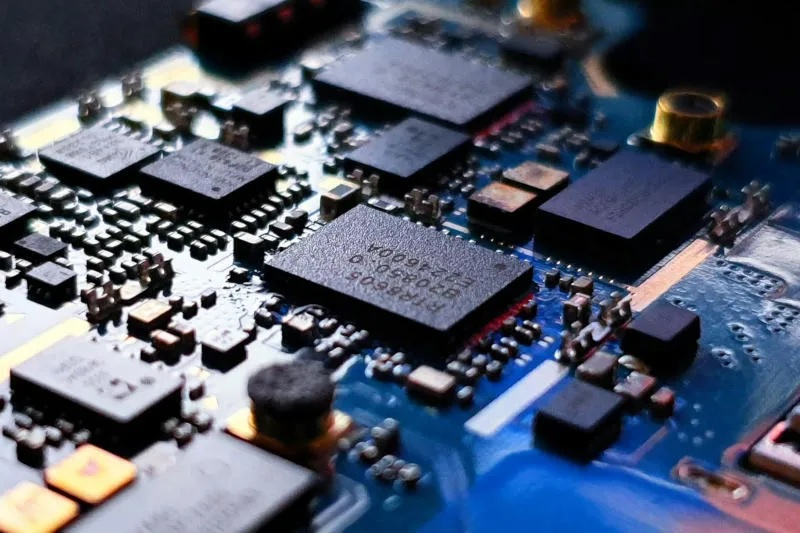
Image credit: Yogesh Phuyal/unsplash.com
about this Write Kommersant refers to a letter from the ANO “Printed Circuit Board Alliance” (including Yadro, GS Group, “Rezonit” and “Tekhnotek”) to the General Director of the Federal State Budget Agency VNIIR Magomed Kurbanov and the Director of the Department of Radioelectronics Industry of the Ministry of Industry and Trade Yuri Plyasunov. Printed circuit board manufacturers are said to be experiencing delays in the supply of raw materials due to logistical issues caused by sanctions restrictions. It has been confirmed by precedent records “Transportation disruptions and deterioration in relationships with customers”. At the same time, a switch to Russian materials could lead to significant price increases.
In its letter, ANO KPP recommended that the Ministry of Industry and Trade exclude the mandatory use of Russian materials from the new requirements of Government Resolution 719. It is recommended that this measure be maintained until “There are at least three to five raw material suppliers for each key position”. In the meantime, ANO KPP proposes charging fees for the use of domestic materials “Extra points, not required points”.
Let us remind you that Government Decree No. 719 regulates the points required for inclusion in the Domestic Register of Radio-Electronic Products of the Ministry of Industry and Trade. In addition to this, points are also awarded for using local components and production processes. The current version of the draft resolution provides for a points system for materials and raw materials used in printed circuit boards.
Olga Kozhukhovskaya, general manager of ANO KPP, added that more than 40% of the cost of printed circuit boards consists of materials, which in turn are selected by batch customers. She added that there are still questions about the origin and characteristics of materials: Positioning as domestic is mainly based on imported raw materials and semi-finished products. Precedents of discrepancies between declared and actual parameters for raw materials are also documented and confirmed by the results of independent testing. Suppliers of such materials have been placed on a list of unscrupulous suppliers.
A spokesman for electronics manufacturer Fplus agreed that shortages were likely because production always peaks in the fourth quarter. The production of printed circuit boards requires substrates and substrates made of dielectrics, copper foil, copper deposition chemistries, etc. Fplus representatives pointed out that there are materials in Russia that can replace some imported similar materials, but in terms of price and quality ratio, they do not meet modern standards. At the same time, Chinese plates and raw materials are always about 40-60% cheaper than their Russian counterparts.
If you find an error, select it with your mouse and press CTRL+ENTER.