
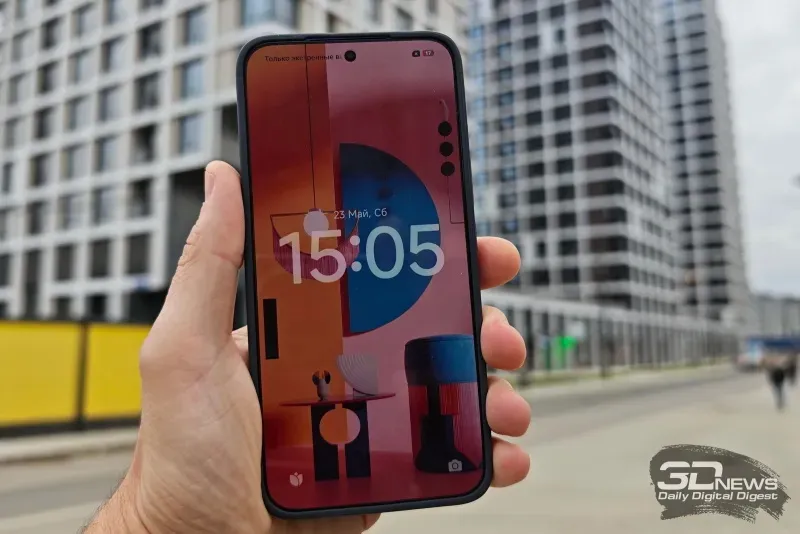
The crisis in the memory chip market is starting to affect smartphone prices. Xiaomi has become the latest major Android smartphone maker to have to raise prices on several models as memory shortages raise production costs.
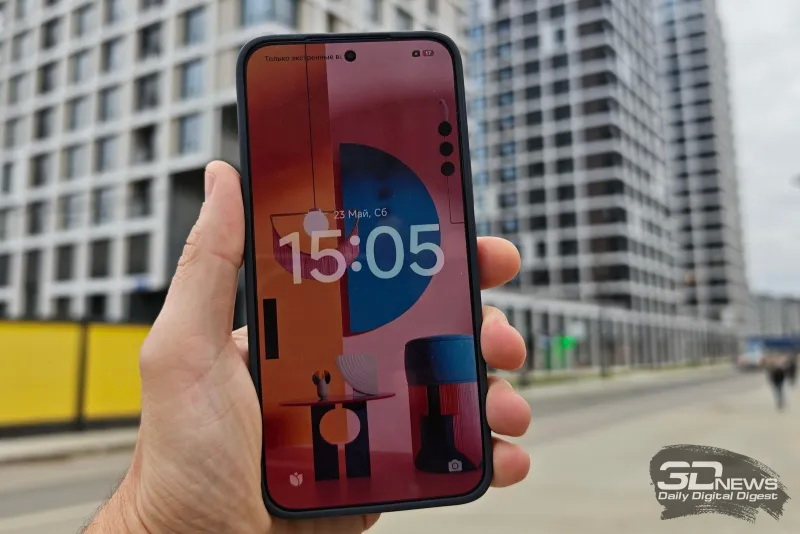
The company announced price increases for several smartphones and tablets in the Japanese market. The price of some devices will increase by an impressive 20,000 yen (about $137). Xiaomi said soaring memory prices and other production costs have become too high and the company can no longer bear these costs on its own. Android Authority writes that Xiaomi’s Japan office announced the price increase on the X social network. Other markets may see similar price increases over time.
The price increase will affect various configurations of the Xiaomi Mi 17T Pro smartphone as well as the Poco X8 Pro and X8 Pro Max. The price of the Xiaomi Mi 17T Pro with 12 GB RAM and 256 GB storage will rise from 119,800 yen (approximately US$754) to 139,800 yen (approximately US$879), and the price of the version equipped with 12/512 GB memory will rise from 139,800 yen (approximately US$879) to 15 yen (approximately US$879).
The significant price hike will also affect the Poco models. As a result, the price of the Poco X8 Pro Max with 12/256 GB of RAM will rise from 79,980 yen (about $545) to 99,980 yen (about $681), and the model with 12/512 GB will go from 89,980 yen (about $6130). The price of some other Poco X8 Pro configurations will also increase by 20,000 yen (about $125). Price increases for Xiaomi tablets will be smaller: Depending on the model, the increase will range from 2,000 yen (about $12) to 10,000 yen (about $62).
Xiaomi and Redmi products will see a price increase starting from September 1, and affected Poco smartphone models will see a price increase from September 4.
Xiaomi said it had previously shouldered rising costs to maintain product supply, but the memory market crisis had worsened to the point where the company could no longer absorb all the additional costs. Not just Xiaomi, the entire industry is facing memory shortages. Even Apple is not immune, with prices expected to rise for the new iPhones launching next month.
Reuters reported that Xiaomi’s smartphone business has already felt the impact of rising memory and component costs in the second quarter of 2026. Smartphone revenue fell by 7.5% year-on-year, and shipments fell by 26%. Previously, analysts from Counterpoint Research reported that China’s smartphone sales fell by 13% during the 618 promotion festival. The reasons are rising device prices and reduced discounts by manufacturers to cover rising memory costs.
The memory shortage is particularly acute for Android smartphone makers like Xiaomi, as memory is one of the core components of these devices, and Chinese manufacturers have historically priced their models aggressively to compete in the mid-range and budget segments. Passing these costs on to consumers will make smartphones more expensive at a time when demand is already down.
Xiaomi said it will try to soften the blow to consumer wallets when it launches its next generation of smartphones. The company claims that the prices of the upcoming new devices will be set “very carefully” to make it easier for fans to purchase.
If you find an error, select it with your mouse and press CTRL+ENTER.