
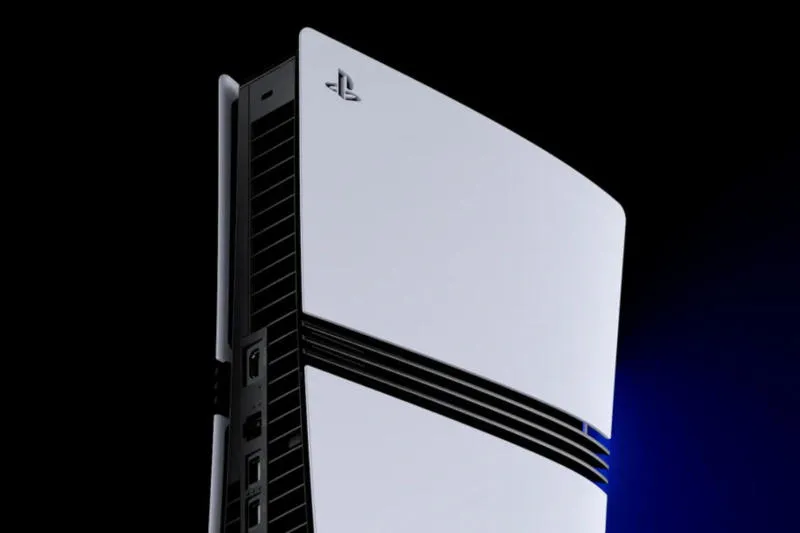
Sony Interactive Entertainment asked a federal judge on Aug. 21 to move the potential class action lawsuit to individual arbitration. When a PlayStation console owner purchases a license for a digital copy of a game, this will be discussed at the time of placing the order.
Image source: Sony
Four owners of Sony’s PlayStation consoles have filed a lawsuit against the company because the company’s online store interface uses “Buy Now” and “Confirm Purchase” buttons when selling revocable game licenses. This violates California law, effective January 1, 2025, which specifically prohibits the use of the word “purchase” or “acquire” when referring solely to a license. All of the purchases involved in the lawsuit were made after that date—the transactions resulted in their transfer “Limited revocable license only”while the language in the online store indicates ownership. They sent two letters to Sony asking that the language comply with the law, but the company didn’t get back to them.
Sony reminded the court that one of the terms of service requires U.S. consumers to resolve disputes with the company through individual arbitration, otherwise they must submit a written rejection to the company’s legal department within 30 days of accepting the terms. This practice has existed in U.S. law since 1925; however, in 2011, the U.S. Supreme Court ruled that no contract can deprive consumers of their right to seek public injunctive relief against companies that violate the rights of all customers.
Sony insists “Reasonable consumers cannot be misled” Regarding ownership of digital goods, since they agree to the licensing terms even before purchasing. A clause in the terms of service clearly states that the consumer is purchasing “Personal License”and do not enter “Product Ownership”. Sony further pointed out in its reasoning that the two plaintiffs purchased the same game 11 days apart. If the purchase was a transfer of game rights, the second plaintiff would not be able to purchase the game. As a result, the company calls the plaintiffs’ argument a bad-faith attempt to prove that a claim to ownership of these games amounts to a claim of full ownership of the intellectual property rights associated with the games, which is patently impossible. The plaintiffs have until September 4 to respond to Sony’s motion, and Sony has until September 11 to respond. A hearing is scheduled for October 1.
If you find an error, select it with your mouse and press CTRL+ENTER.