
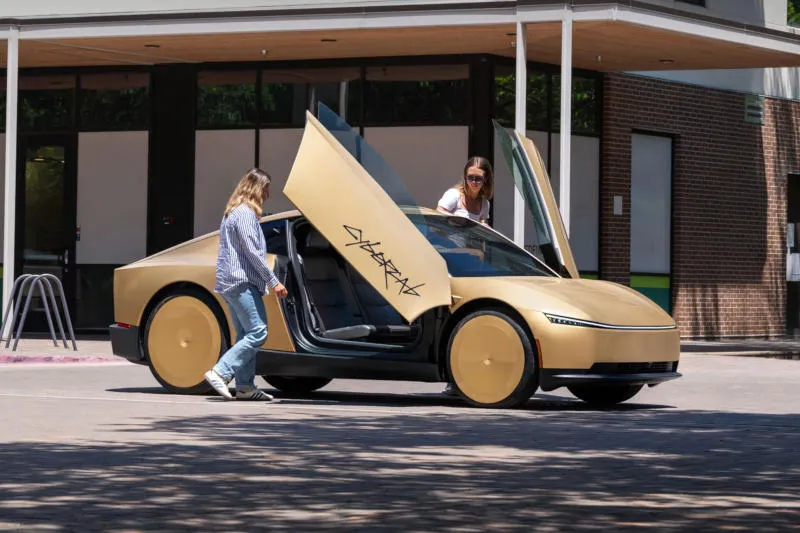
The National Highway Traffic Safety Administration (NHTSA) has reportedly begun reviewing the self-certification of Tesla’s Cybercab self-driving car to determine whether it meets federal safety standards wall street journal.
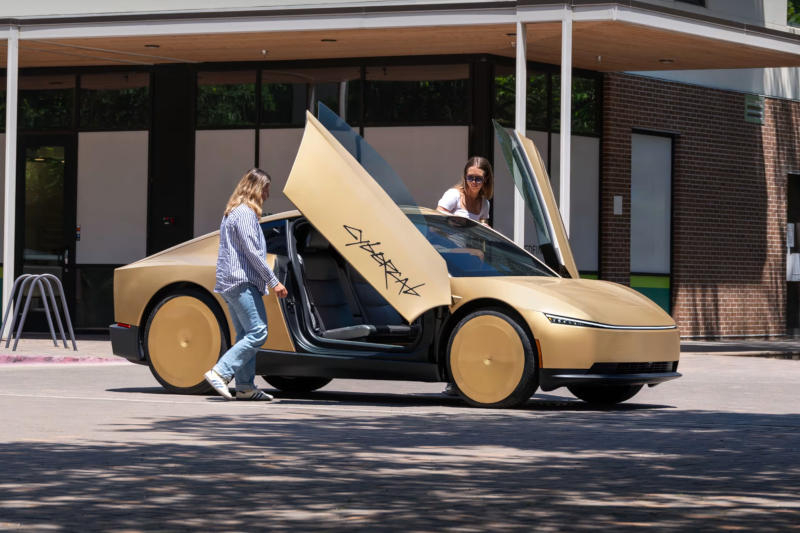
Image source: tesla.com
Tesla has officially launched a self-driving taxi service in Austin, Texas – anyone can request a ride through the Robotaxi app. The Cybercab lacks traditional controls and its design could conflict with federal safety standards established decades ago for conventional vehicles. Tesla has assured the National Highway Traffic Safety Administration that the vehicle meets “all applicable” standards, but the agency wants to examine the automaker’s basis for that conclusion. The department intends to find out which standards Tesla believes do not apply to Cybercab, and on what basis.
Tesla is committed to making self-driving cars an important part of its business. The company plans to “gradually expand the commercial rollout of Cybercab to include additional vehicles and locations,” but NHTSA may prevent that from happening. If the agency determines that the Cybercab does not meet federal safety standards, it has the authority to order a recall of the machines and correct the identified problems.
U.S. automakers are not required to obtain NHTSA approval before producing vehicles; they independently certify the cars they sell to ensure they meet safety standards. Therefore, regulators check whether vehicles comply with the requirements after they are put on the market. The agency had previously proposed eliminating requirements for traditional controls in cars to speed adoption of new technology on public roads, but those changes have not yet taken effect.
In July, NHTSA allowed Amazon Zoox robotaxis to provide services on a commercial basis, but set restrictions: The cars are prohibited from operating on the roads during heavy rain or snow, and the top speed cannot exceed 72 kilometers per hour. Tesla plans to sell the Cybercab to private buyers for less than $30,000 and has built an annual production capacity of 125,000 vehicles. There are currently 45 Cybercabs registered in Texas; taking into account the driverless Model Y, there are 420 Tesla Robotaxi cars registered.
If you find an error, select it with your mouse and press CTRL+ENTER.