
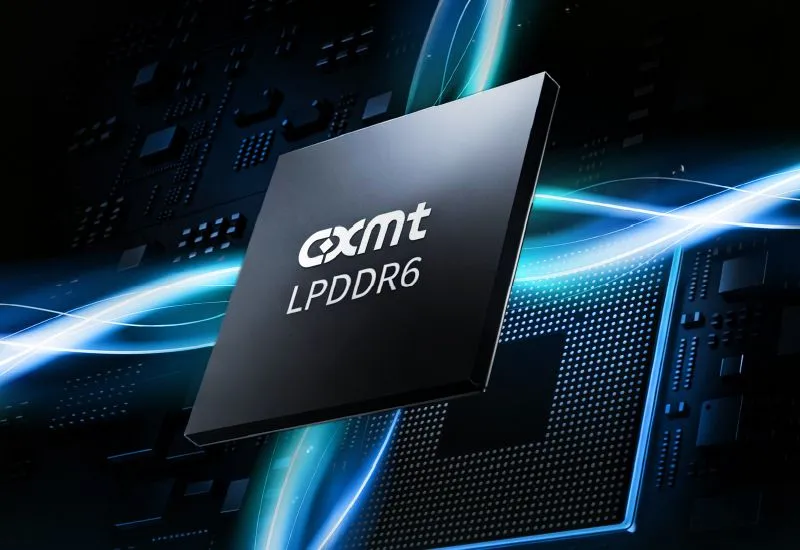
Yesterday, the debut of the foldable smartphone Xiaomi 18 Fold officially liberated the hands of Changxin Storage – the Chinese company has every right to announce that it has begun mass production of LPDDR6 memory, which will first be used in flagship smartphones. This is a very important step from the perspective of demonstrating the success of China’s semiconductor industry.
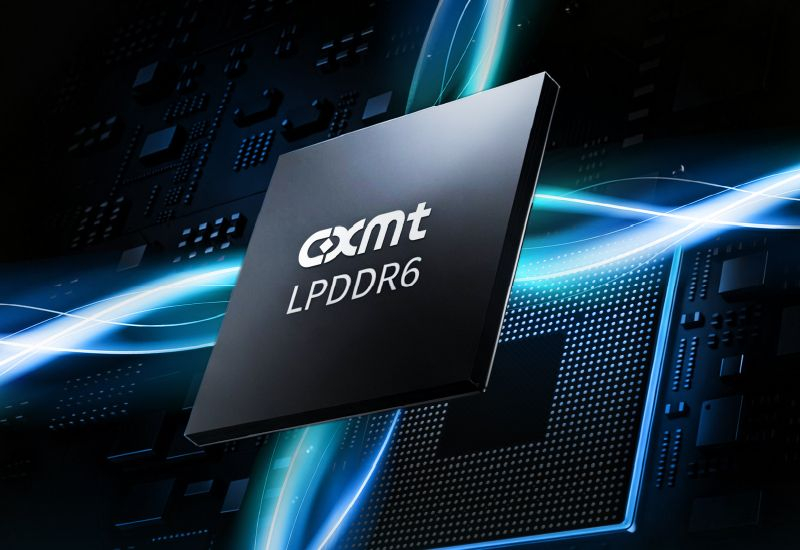
Image source: Changxin Storage
The 16GB chip has a maximum message transmission speed of 12,800 Mbit/s; when interacting with the chip in a smartphone, the rate is 10,667 Mbit/s. Changxin Storage’s LPDDR6 IC adopts 1295-pin FBGA design and complies with JEDEC standards. Given that LPDDR6 is capable of operating at a transfer rate of 12,800 Mbps, this memory has a 60% increase in bandwidth compared to LPDDR5X, which operates at 10,667 Mbps. At the same time, energy consumption levels are reduced by 20%, ensuring extended battery life of the device. The voltage control of each module in the LPDDR6 chip is more flexible and can achieve optimal power consumption for different types of computing loads. This is also facilitated by smart management of strategic planning of resources and task allocation.
It should be emphasized that compared with LPDDR5, the packaging of LPDDR6 is more complex and can reduce the thermal resistance of the crystal by 40%. This helps improve the thermal efficiency of the LPDDR6 memory chip under load. In addition to smartphones, this type of memory will be used in personal computers, wearable devices, cars, edge computing servers and robots. according to TrendForceAs of the end of the second quarter, Changxin Memory’s monetary share in the global DRAM market continued to grow from 7.6% to 9.5%. This puts it in fourth place among the world’s largest RAM chip manufacturers.
In comparison, South Korea’s SK Hynix has completed the development of LPDDR6, which will be produced using 10-nanometer process technology and will begin delivery to the market in the second half of this year. Samsung Electronics demonstrated LPDDR6 samples as early as January this year at CES 2026 in Las Vegas, but has not yet announced the start of mass production. In the serial version, such memory must run at speeds up to 12,800 Mbit/s, and SK hynix is targeting even 14,400 Mbit/s. Micron has delivered LPDDR6 samples to customers but is unwilling to publicly discuss when commercial deliveries will begin.
If you find an error, select it with your mouse and press CTRL+ENTER.