
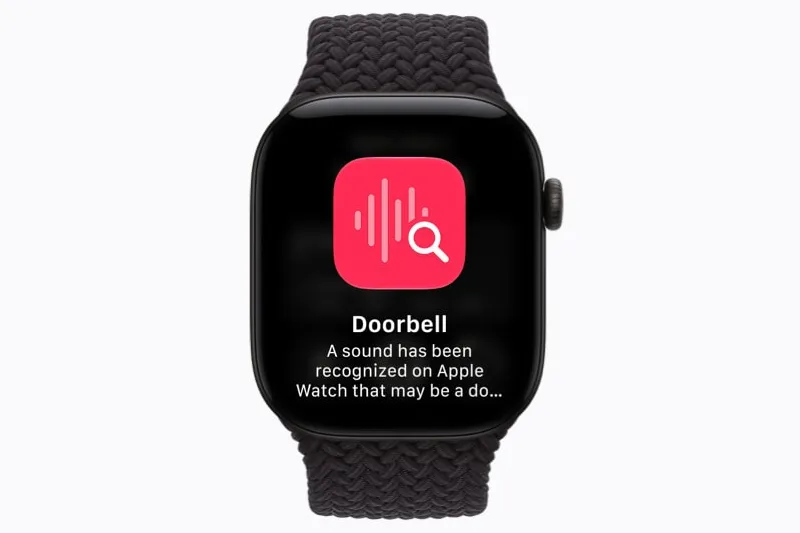
At the press conference the day before, Apple talked about one of the most important innovations of Apple Watch, that is, the smart watch can process information in real time and provide a record of conversation content. It’s an unexpected decision for a company that has traditionally been very privacy-focused, writes TechCrunch.
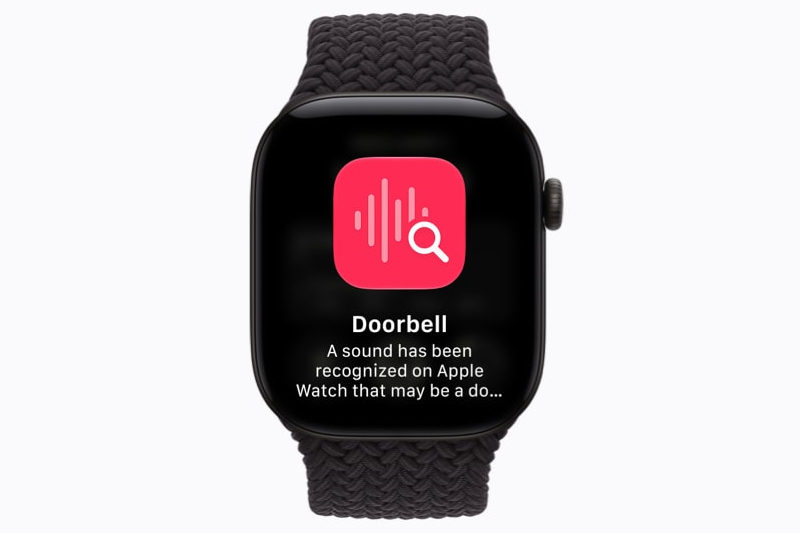
Image source: apple.com
That doesn’t mean the Apple Watch will constantly record everything that happens on the recorder, but the new feature does raise some concerns. Solutions related to speech decoding using artificial intelligence are becoming increasingly popular among mass consumers. But so far, this has mostly involved minutes of meetings, recordings of lectures and recordings of interviews. Apple decided to take a slightly different path: smartwatches gained audio intelligence, instant rewind, and Siri Recap capabilities—they walked the fine line between useful tools and technology that were starting to be viewed as privacy intrusions.
Audio intelligence will help notify owners about events such as sirens, sirens, doorbells, children crying, etc. This is especially useful for people with hearing impairments. The feature works without being connected to an iPhone and could save the watch owner’s life. But Live Rewind and Siri Recap are more than just useful tools — Apple’s measures could make them more acceptable; but for a company traditionally committed to protecting privacy, pushing to normalize permanent recording doesn’t seem like the best move.
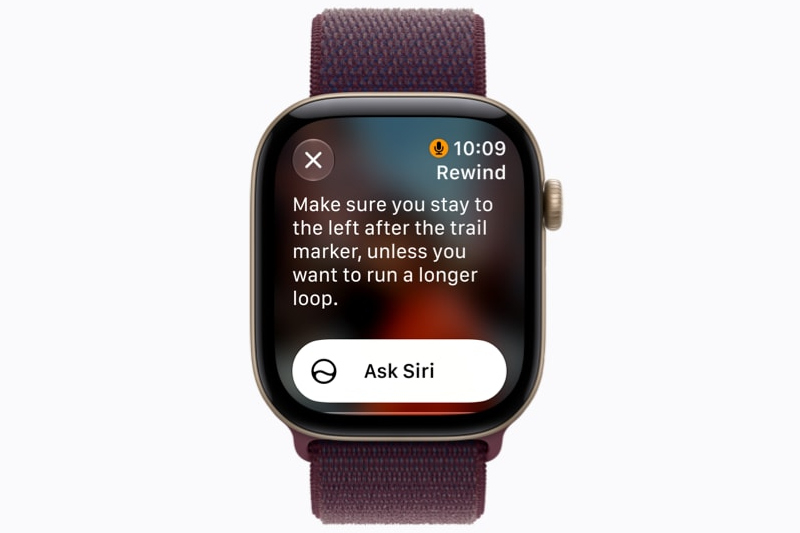
By double-clicking the Digital Crown for instant rewind, you can go back 15 seconds and get a transcript of what was said – which you can save in the Apple Siri app and then return to the received message. Apple says the feature makes it easy to remember the following: “The title of a book or an idea expressed by a colleague that you didn’t catch the first time”. You can also record and save unintended words from your interlocutor. Questions about obtaining consent arise from both an ethical and legal perspective – the recordings themselves will not be stored, and it is unclear how courts will deal with such text recordings.
New features may also have some cultural significance. Recording devices, social media and data collection culture have affected people’s behavior in real life. Knowing that recordings can be made at any time, people become more restrained in communicating and expressing themselves. To take a photo or video, you need to perform a noticeable action – holding up your smartphone and pointing the camera at an object; but double-tapping the Digital Crown is a more subtle gesture, even if it’s accompanied by a beep and animated microphone image.
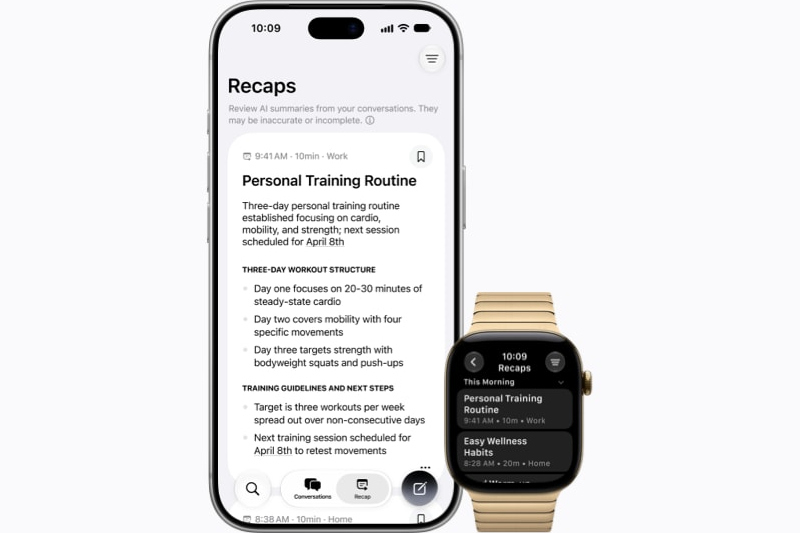
With Siri Recap, your smartwatch can listen to conversations in the background and create a short summary that is then displayed in the Siri app on iOS. For such entries, a title, summary, and bullet points are generated – all of which are written by artificial intelligence and do not provide verbatim transcripts. Apple says this is useful for summarizing meetings or getting key takeaways from parent-teacher conferences.
Apple assures that these features are designed with privacy in mind: The Siri Recap preset doesn’t work in continuous recording mode—it can only be turned on while at work or during the day. Not even Apple can access the recording itself; the system does not identify speakers or assign notes to them, and recordings and summaries are protected by end-to-end encryption. But that’s not enough to reassure people: Apple will either manage to find a balance between usefulness and privacy, or it will face consumer rejection.
If you find an error, select it with your mouse and press CTRL+ENTER.