
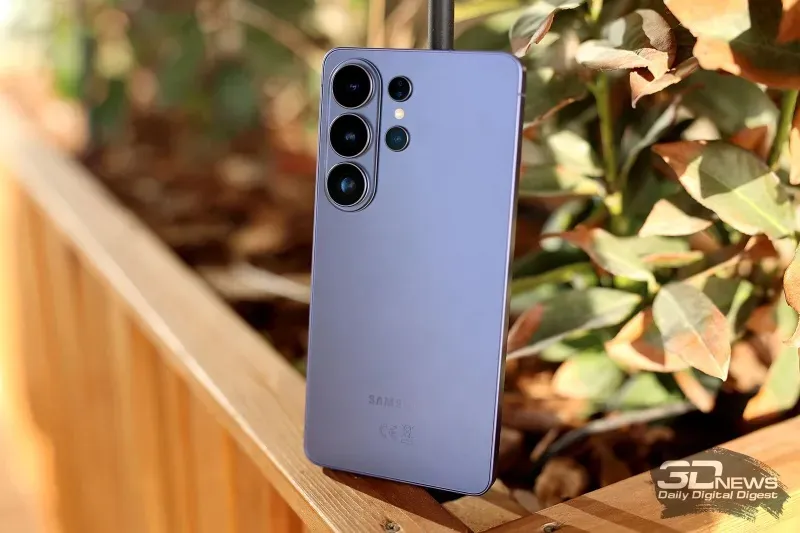
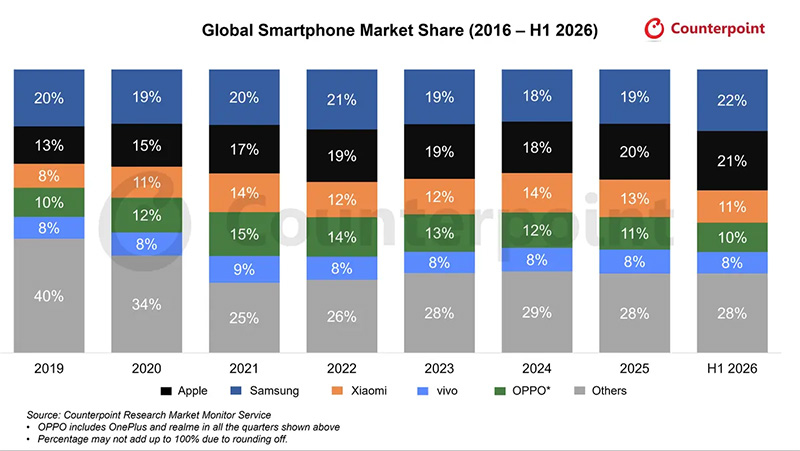
According to the report, in the first half of 2026, Samsung once again led the global smartphone market with a 22% share. Although the overall market shrank by 7%, shipments increased by 9% annually. Android headlines Refer to information from analysis agencies Counterpoint Research and Omdia.
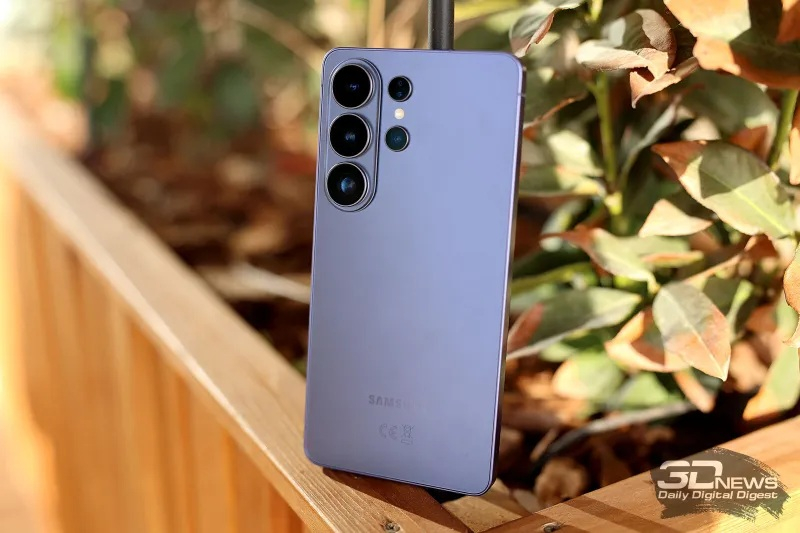
Notably, the company increased supply despite repeatedly raising equipment prices in the face of a declining market. Analyst reports indicate a significant shift in consumer preferences, with them increasingly choosing flagship versions such as the Galaxy S26 over budget models.
According to data from Counterpoint Research, in the first half of 2026, Samsung’s market share is only 1% – 22% ahead of Apple, while Apple’s 21%. Especially in the second quarter, Samsung’s market share was 23%.
The North American market has made a significant contribution to Samsung’s success, with Samsung’s total sales share in the North American market rising from 26% in the first quarter to 30% in the second quarter.
Global smartphone shipments fell 7% in the second quarter of 2026 due to memory shortages and soaring component costs. Despite this, Samsung’s shipments increased by 9% year-on-year. High demand for the flagship Galaxy S26 series has helped it offset rising costs, while excitement about the upcoming Galaxy Z Fold 8 models is key to success in the second half. Android headlines.
In the second half of the year, Apple maintained its second position on the back of steady demand for the iPhone 17, but other brands focusing on budget devices reduced shipments. Xiaomi remained in third place with an 11% share, although shipments fell 26% year-on-year as rising memory costs negatively impacted margins on budget models. Oppo and Vivo ranked in the top five with market shares of 10% and 8% respectively.

The data shows a significant shift in consumer behavior when purchasing smartphones. Omdia predicts that total global smartphone shipments will fall by 12% in 2026 (Counterpoint estimates a decline of 14.3%) to approximately 1.097 billion units. However, as the average selling price of devices approaches $594, the total market value will grow 12% to $651.6 billion.
At the same time, the share of budget smartphones priced under $200 is declining. According to Omdia, such devices will account for 40.6% of all shipments in 2025. This number will drop to 25.6% by 2027, while the share of smartphones priced at $800 and above will reach 28.4%. With manufacturers promising up to seven years of software support, buyers would rather pay extra for a reliable flagship that will last a long time than replace a sluggish cheap phone every year.
If you find an error, select it with your mouse and press CTRL+ENTER.