
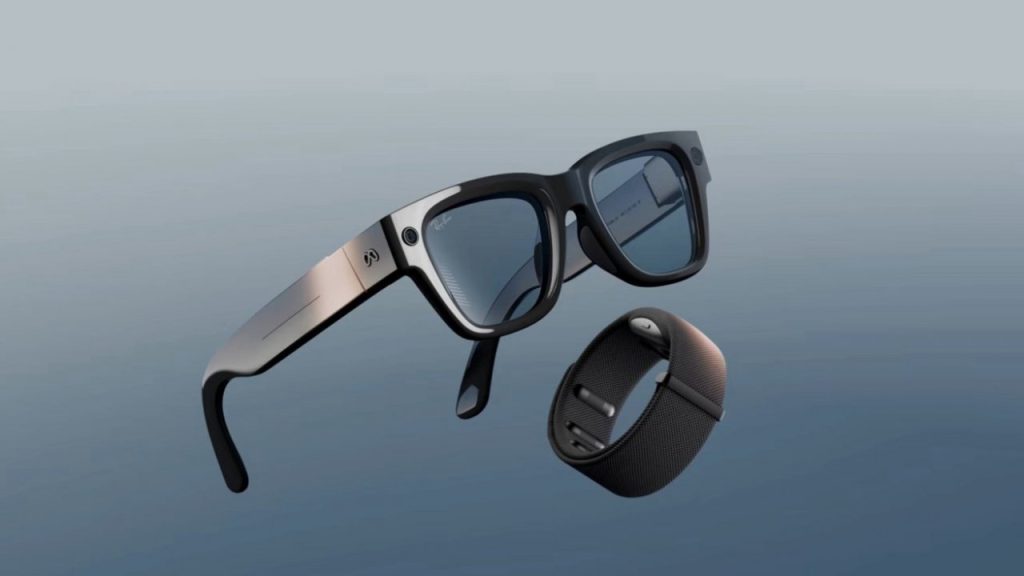
market Smart glasses equipped with AI The performance is significantly better than a year ago, especially the growth in the first half of 2026 is particularly significant. This is a recent report from Counterpoint Research, according to which global AI glasses shipments increased by 263% year-on-year. Meta dominates the market with its Ray-Ban Meta. Let’s take a closer look at the details.
Statistics
Counterpoint Research’s latest “Smart Glasses Market Tracking Report” reports global shipments of artificial intelligence glasses Annual increase of 263% First half of 2026. Growth was primarily driven by display-less glasses, including Ray-Ban Meta AI. Shipments in this segment increased 258% year-on-year and 22% compared to the second half of 2025.
As for Meta, its position is quite dominant because Accounted for 94% of shipments Sales of non-display AI glasses are expected to grow 260% year-on-year in the first half of 2026, also driven by expansion into more countries and the emergence of cheaper models.

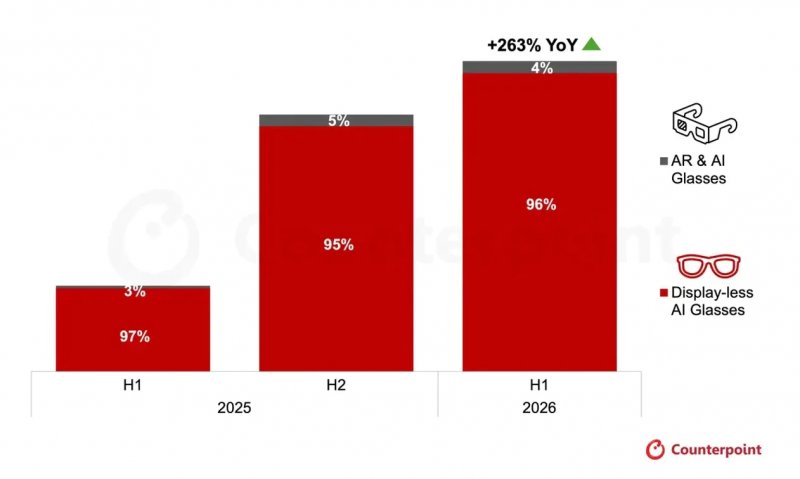
The same cannot be said for AR glasses with artificial intelligence and displays, which still account for only a small portion of the market, although shipments are growing rapidly. In fact, we are talking about a Annual increase of 449%of which China accounts for 45% of shipments. The results will also be associated with a more integrated parts supply chain, according to Counterpoint.
Rapid growth, focus and advantages
According to Counterpoint, AI glasses overall are likely to grow further, but Tradeoffs and risks may escalateespecially when it comes to privacy. Also affected are the component cost and concerns related to the use of cameras and possible recording of images and audio.
Norway could become first country to ban smart glasses to protect privacy


Therefore, the growth of the industry seems to be accompanied by some problems that still need to be solved. AI glasses could offer new features and play a role in everyday use, but their widespread adoption also brings challenges Questions about privacy and personal data management. What do you think? Do these devices offer real advantages in everyday use, or do they risk creating more problems than benefits?