
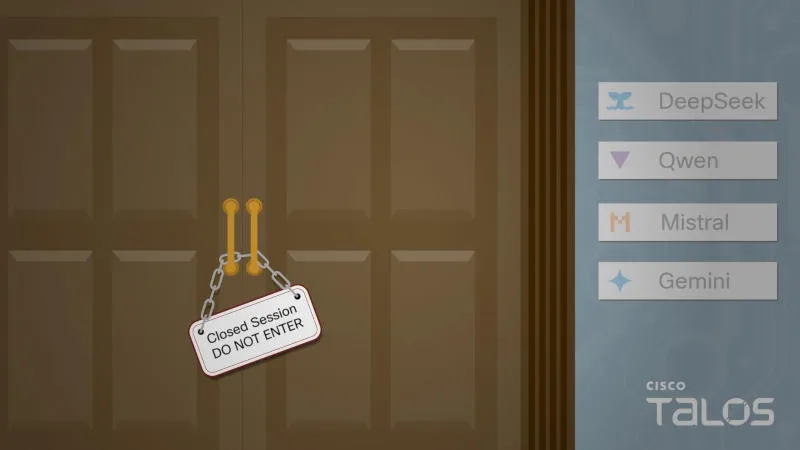
Cybersecurity expert Cisco Talos CLOSEDQUORUM malware was discovered that, after compromising a Windows-based target system, seeks further instructions from artificial intelligence systems from four vendors: Google Gemini, DeepSeek, Alibaba Qwen, and Mistral.
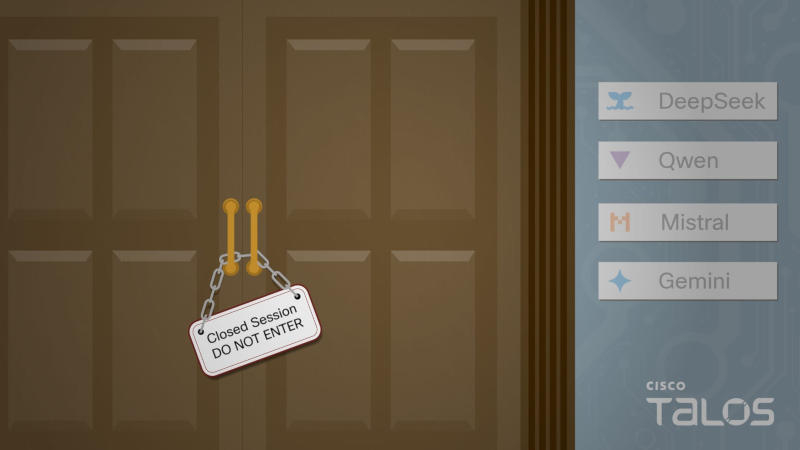
Image source: talosintelligence.com
Once deployed on a victim’s computer, the malware does not require ongoing commands from a human operator. According to experts, this is the first documented Windows virus that uses a similar approach to organize command and control. No cases of CLOSEDQUORUM being used in practice have been documented, but components found in binary archives linked the developers to messages from 2025, which were posted on forums dedicated to card fraud.
Once deployed, malware written in Go delegates the choice of next action to a “quorum” of large language models, who vote on what to do next. In the event of a tie, DeepSeek will be given priority, followed by Qwen, Mistral and Gemini. This solution eliminates the human factor bottleneck in the attack mechanism. “Human operators are limited by their attention span, work time, and mental load. An AI system is able to execute this stage of the attack chain, and it can continue operating even if the operator is not monitoring the process. It does not shut down when the attacker sleeps.””, experts explain.
A model is selected from a given set of operations. This could include running commands to capture a memory dump of the LSASS process responsible for the credentials and authentication process, stealing stored passwords from browsers, and extracting data from cryptocurrency wallets. The injection mechanism involves running malicious code under the guise of a legitimate process. The third option involves pinning – ensuring that the malware remains permanently present on the infected device.
The developers provide each customer with a separate version of the executable that contains a unique Discord webhook and API key for the large language model. The stolen data is encrypted and transmitted to the telecommunications operator’s Discord channel based on the AES-256-GCM algorithm. The encryption key changes every day and is calculated by the operator based on the message timestamp. Experts point out that in order to detect intrusions, it is necessary to perform behavioral analysis of the operation of applications on the computer: if calls to the AI platform are recorded, attempts to access LSASS dumps are recorded, some code is injected into suspended processes, and fixation mechanisms are created in the system via WMI, this indicates the presence of an intrusion.
If you find an error, select it with your mouse and press CTRL+ENTER.