
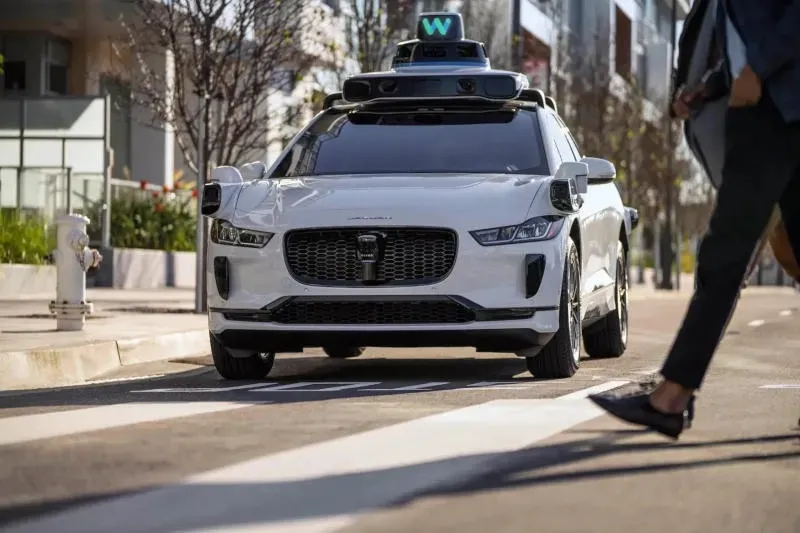
Waymo reports that its self-driving cars have driven a total of 436 million kilometers autonomously, with 82% fewer accidents than human-driven cars. Waymo hopes the information will help attract more backers, but experts point out that road accident statistics lack data on traffic disruptions that are not related to accidents.
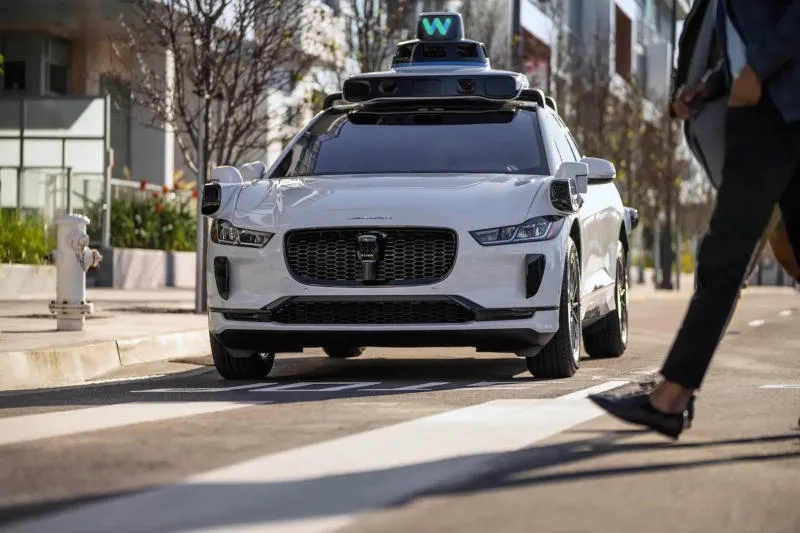
Image source: Waymo
As of the end of June, Waymo analyzed 436 million kilometers of driverless mode data in five cities. Since the last report, Waymo vehicles have traveled an additional 80 million kilometers. According to the company, the combined mileage in Atlanta, Austin, Phoenix, Los Angeles and the San Francisco Bay Area equates to more than “300 lives lost behind the wheel” (A rather bold assumption is that a person drives 850,000 miles or 1,368,000 kilometers in a lifetime).
Waymo data analysis shows the following results:
- 82% fewer injury accidents compared to human drivers;
- A 95% reduction in the number of accidents resulting in serious injuries or more serious consequences;
- The number of injuries resulting from collisions with pedestrians decreased by 93%;
- 86% fewer injuries resulting from collisions with cyclists;
- The number of injuries resulting from collisions with motorcyclists decreased by 82%.

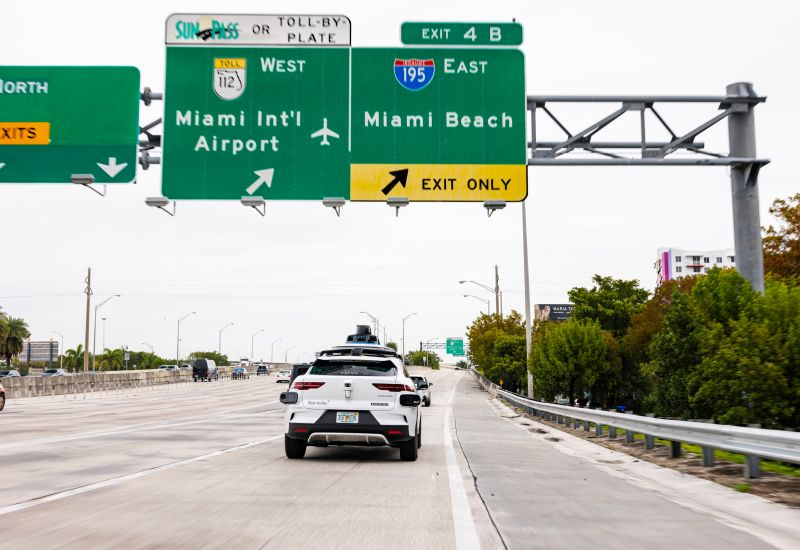
Waymo currently operates nearly 4,000 vehicles in more than 10 cities in the United States, drives more than 3 million self-driving miles per week, and completes more than 500,000 paid rides per week. While Waymo’s vehicle mileage may seem impressive, it’s a drop in the bucket compared to the nearly 5 trillion miles driven by U.S. residents each year. Therefore, there remains a significant statistical gap when comparing the performance of self-driving cars and human drivers.
But some cities, including majors such as New York, Boston and Washington, have been hesitant to allow Waymo to begin operations, citing concerns about transportation disruptions and possible job losses. Waymo hopes it can convince skeptical officials by continuing to demonstrate its technology’s ability to radically reduce road injuries and deaths.

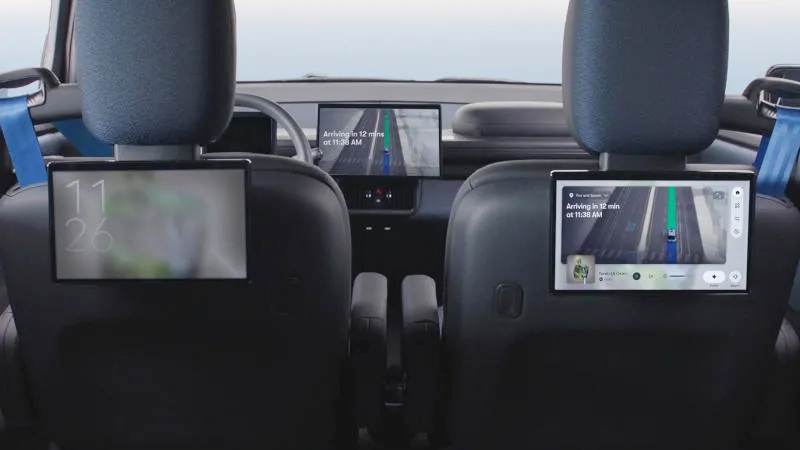
Waymo’s data was partially confirmed by an independent study conducted by the Insurance Institute for Highway Safety (IIHS). According to IIHS data, Waymo’s self-driving cars are 68% less likely to be involved in an accident than human-driven cars. At the same time, researchers warn that current data collection systems “Not advanced enough to provide continuous monitoring during large-scale fleet expansion”and the lack of unified industry standards makes it difficult to accurately compare indicators.
Critics of Waymo argue that comparing expensive robotaxis with many sensors to regular cars (which are not always new) proves the effectiveness of modern emergency braking systems and sensors rather than the superiority of the self-driving software itself. Additionally, safety experts say summary safety reports can be used as a corporate public relations tool to downplay unusual driving situations, embarrassing traffic incidents and minor incidents.
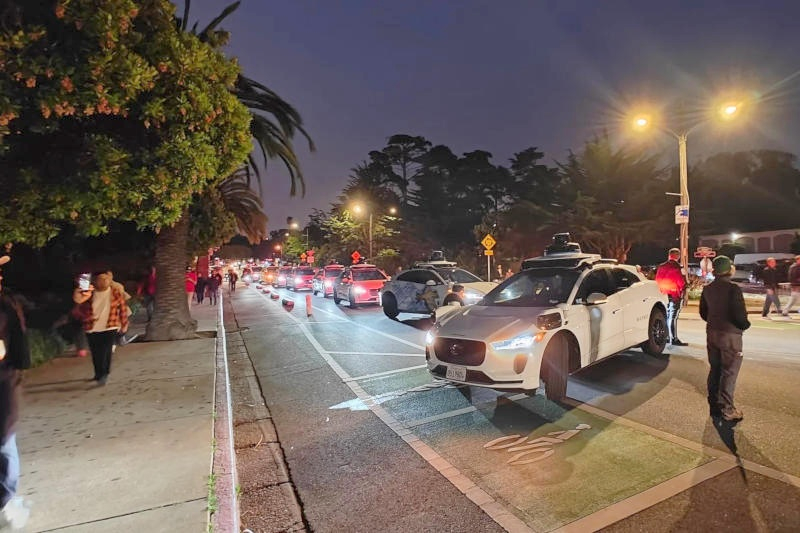
In addition to issuing its own reports, Waymo must report any collision (defined as physical contact with another vehicle, person or property) to federal authorities under a general directive that takes effect in 2021. According to data collected as part of the directive, Waymo vehicles were involved in 797 accidents between March and September 2026 in all cities where they operate. The company reported just one death: a pedestrian was struck by a human driver in Dallas and the victim was thrown from the road into a Waymo vehicle.
If you find an error, select it with your mouse and press CTRL+ENTER.