
Noctua and forced physical DCT here we go This is a long-term research project aimed at adapting the JouleForce microchannel cooling system to desktop computers and workstations. The technology should allow large heat loads to be removed using only air, without the need for traditional liquid loops, pumps and water blocks. So far, we’re only talking about research – the company hasn’t announced a specific product or release date for the new cooler.
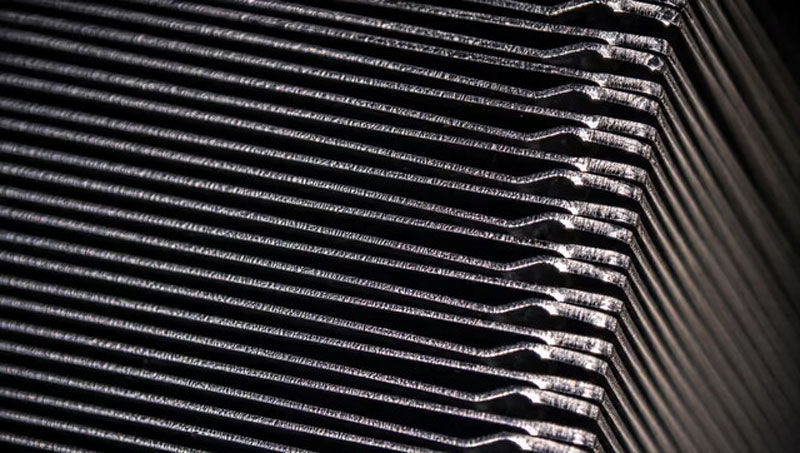
Image source: Forced Physics DCT
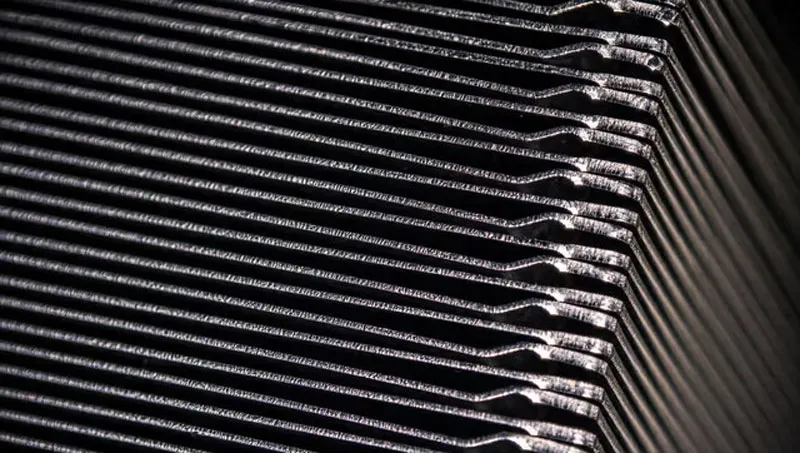
JouleForce technology, which forces physical DCT, is based on an array of microchannels fabricated into the heat transfer surface. However, the definition of “channel” is more suitable for liquid heat exchange systems. In the case of JouleForce, it is appropriate to discuss micro-gaps in air-cooled radiators.
In conventional air coolers, a boundary layer of air forms near the surface of the heat sink’s metal fins, a thin area of slower motion that impairs heat transfer. In microchannel structures with tiny gaps, the geometry of the channel forces the airflow to continuously contact the channel walls, so heat can be transferred more efficiently along the entire length of the channel, not just at the entrance to the airflow.
The other side of this coin is the need to generate strong static air pressure. In the case of server solutions that forced physical DCT to be implemented in 2019, powerful centrifugal fans and even vacuum pumps pump air through the micro-gaps of the radiator. But as Noctua CEO Roland Mossig points out, few people would want to have something like this under their desk.

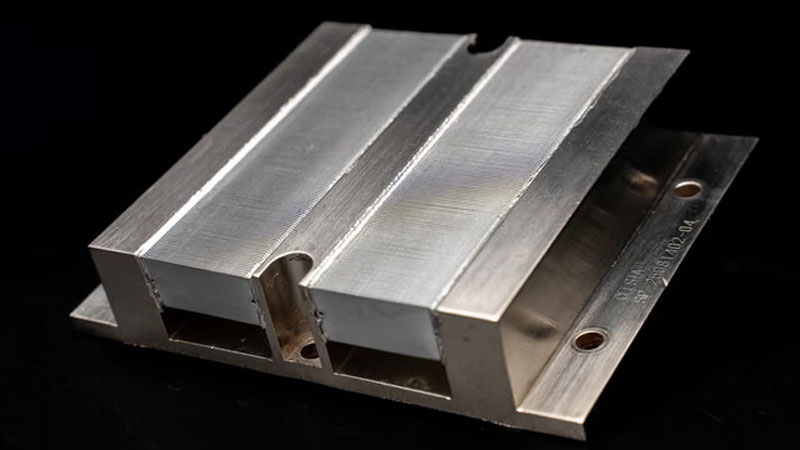
This is exactly the problem Noctua and ForcedPhysics will try to solve: either reduce the pressure required in the microchannels, or create a compact and quiet high-static-pressure gas supply system. Noctua’s experience in developing low-noise, high-pressure fans should help bring this technology to PC cases. If engineering limitations can be overcome, microchannel coolers could become a new air cooling system for future high thermal load processors and accelerators.
If you find an error, select it with your mouse and press CTRL+ENTER.