
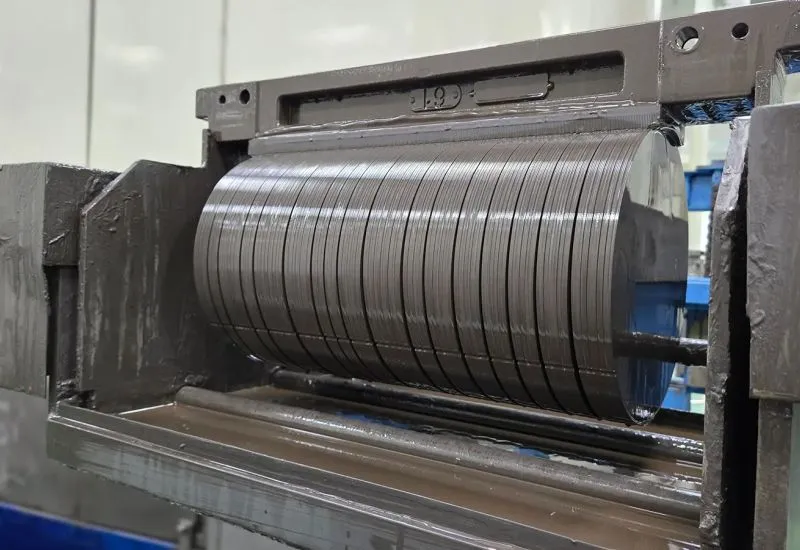
The high demand for TSMC’s foundry services can at least be judged from the planned increase in capital expenditures this year. According to sources in Taiwan, the world’s leading semiconductor component OEM has orders until 2030 and may increase its service prices by 3% to 6% starting from January next year.
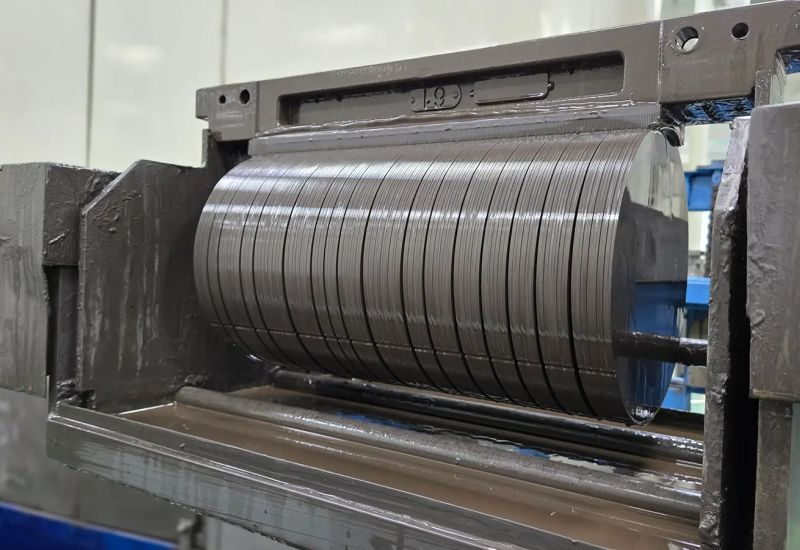
Image source: TSMC
Even TSMC’s fabs that are still processing older 200mm wafers are now operating at over 100% capacity, and from a technology perspective, all segments at 45nm and below are seeing similar utilization levels. Advanced technology processes may become more expensive, but for mature processes, TSMC negotiates flexibly with each customer. The operating costs and initial investment of the company’s Arizona factory are high, so TSMC’s pricing policy for local customers will inevitably be affected. The company is also forced to reallocate costs to production costs in other markets when implementing the US project, because sales of local products in the United States are currently quite limited.
Most customers will have to put up with the company’s new pricing policy because the semiconductor industry is characterized by long production cycles and switching to another lithography contractor poses serious risks to a wafer developer’s business that many times overshadows the possible benefits of service cost savings from another supplier. Google, Apple and Nvidia are unlikely to reject TSMC’s products in the main line of products. In addition to advanced 3nm and 2nm process technologies, TSMC’s wafer packaging services using the CoWoS method are also in high demand.
Other contract chip manufacturers, based on digital agewill also follow the example of TSMC and increase its service prices, which will also affect companies that do not have businesses in Taiwan such as Samsung and GlobalFoundries. Some market participants have even outlined plans for price increases next year. As artificial intelligence booms, contract manufacturing customers not only need large quantities of cutting-edge chips, but also simpler components needed to build computing infrastructure.
Wafers produced using 200mm silicon wafers and using mature technology processes are also very popular. Orders are allocated three to five months in advance, and production line utilization exceeds 90%. Unlike the advanced chip sector, where customers are willing to buy at any price in the event of shortages, suppliers of mature products are unable to significantly pass on increased costs, so the profitability of their businesses may suffer.
Not only are wafers becoming more expensive, but so are printed circuit boards and other components, as well as the services to produce them. All of this will cause electronics prices to continue to rise through 2027.
If you find an error, select it with your mouse and press CTRL+ENTER.