
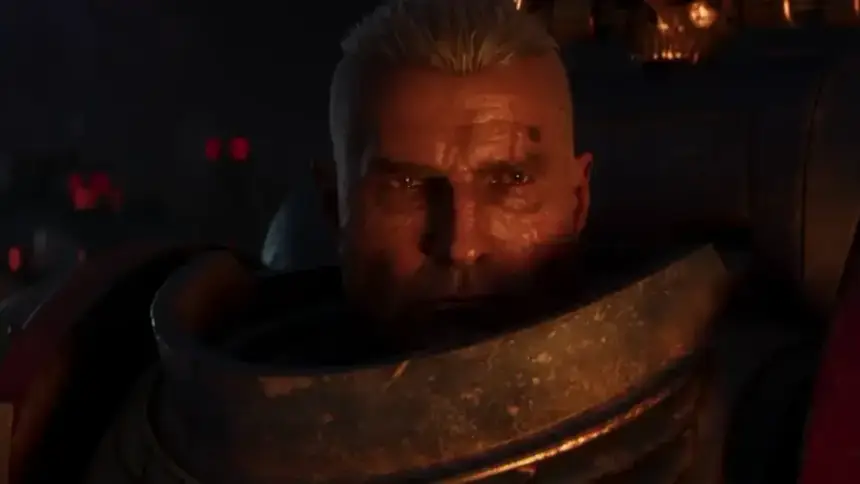
Creative Assembly is preparing for a major technological leap forward for its flagship Total War series. The upcoming Total War: Warhammer 40,000 aims to rethink the conventional formula of grand strategy games. When interviewed by Japanese portal website 4gamer.net Studio director Gareth Edmondson and game director Attila Mohacsi revealed the creative details of the project. Executives detailed the features of the new Warcore engine, simultaneous release on PC and consoles with full adaptation to game controllers, unprecedented scope of galactic campaigns, and the game design philosophy behind future games. Below are the highlights from this interview.


- To create Total War: Warhammer 40,000, the developers decided to abandon old technology and use the new Warcore engine because the series has been around for 26 years and moving to next-generation levels requires a completely different scale and depth of immersion. The existing engine cannot meet the new needs of players to interact with the outside world at the highest level, nor can it meet the need to display space conflicts on a large-scale galaxy scale, nor can it meet the needs of brutal hand-to-hand combat with a single unit on the surface of a planet. Additionally, the new engine is designed specifically for simultaneous console launches, offering enhanced destructive capabilities, a redesigned campaign system, and completely seamless camera zooms from specific battlefields to the farthest corners of the universe.
- Adapting the real-time strategic controls of the game’s controllers was a major challenge for the studio, but the developers managed to leverage the extensive experience they gained while co-creating Halo Wars 2, spending a lot of time iterating and improving. The interfaces of PC and console are naturally different, but the creators strictly ensure that the amount of information players receive is not reduced, so that die-hard fans can enjoy a complete, unabridged classic Total War experience. The main goal is to give players the opportunity to relax and unwind using gaming controllers. The idea was so successful that even lead combat designer (as a staunch PC gamer) and game director Attila Mohacsi himself now enjoy playing with a PS5 controller. However, the team encourages players to share feedback to further improve the controls.
- For the first time in the series’ history, the game will receive a full official Japanese localization, including voice acting, which studio director Gareth Edmondson calls a long overdue and logical step. He points out that the Sega subsidiary hasn’t offered Japanese support before, which is strange, especially in the case of Shogun: Total War. As the developers admit, the sheer amount of text in the series makes translation an extremely difficult task, but they no longer want to rely solely on the enthusiasm of the fan community that previously took on the task themselves. Given the large number of Games Workshop stores and dedicated fan base in Japan, the studio intends to actively work with partners in Asia to further develop localization in the region.
- The main difference between the new game and Total War: Warhammer’s predecessor is that the coverage and breadth of the warzone is unprecedented, although in the early stages of development the team seriously considered the idea of limiting the setting to one planet. Ultimately, the concept was abandoned, realizing that this approach would not create the ultimate strategy game in the Warhammer 40,000 universe. The main task of the author now is to achieve both dynamic vertical connections (from local battlefields to the galaxy) and horizontal connections, where asymmetrical factions with completely different capabilities and pursuing their own goals will collide with each other.
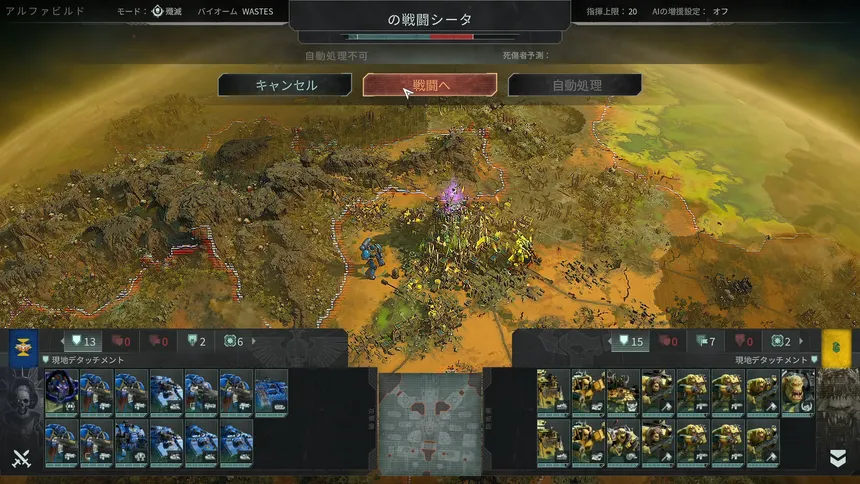
- Due to the incredible depth of story and vast amount of lore in the Warhammer 40,000 universe, developers face a huge challenge when choosing a starting point and starting factions. This led to endless debates within the team, as all employees were huge fans of the series. Following the traditional rule of “don’t put all your eggs in one basket”, the creators decided to start with a certain era (Era of Indomitables) and a specific region, and then gradually and systematically expand the game. Attila Mohacsi emphasized that this project is just the beginning of an incredibly long journey that will take the studio more than 10 years and perhaps forever to develop the game, moving in parallel with the creators of the Games Workshop tabletop universe.
- The strategic campaign structure called Crusader Theater is conceptually reminiscent of Total War: Warhammer’s Immortal Empire mode, but on a galactic scale where players can lead their faction through multiple star systems. The asymmetry of the gameplay is also evident in the victory conditions, which vary greatly depending on the chosen race, which should make passing through Crusader Theater particularly exciting. The team has an extremely ambitious goal of regularly adding new content to the game to eventually fully cover the entire vast universe of Warhammer 40,000.
- When asked about the main appeal of strategy games, Gareth Edmondson admitted that he most admired the “one more turn” effect and the “what if” concept, where the consequences of a player’s decisions can radically change the world, forcing players to sit in games until four in the morning. As an example, he cited his love for tactical projects like Star Wars: Zero Company, Civilization, and XCOM. Attila Mohashi, in turn, calls the main pleasure of the game the concept of “retribution” and unpredictable consequences. The developer recalled a personal story in Total War: Attila, in which he almost completely destroyed the Viking faction, leaving only one ship, but after 50 operations, he was surprised to find that they had revived the empire in the Iberian Peninsula. Both leaders agreed that the true essence and main appeal of strategy games is that they generate unique personal stories that players want to share with their friends without interruption.
Total War: Warhammer 40,000 will be released in 2027.