
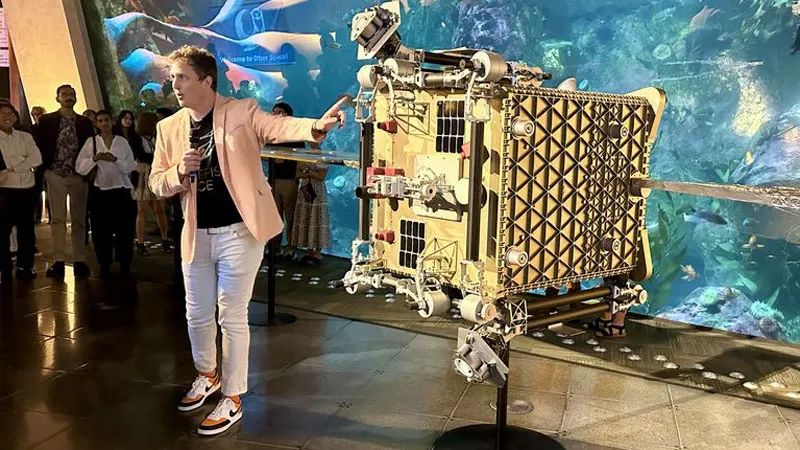
In anticipation of the imminent launch of the first in a series of Otter inspection satellites, Starfish Space hosted an event at the Seattle Aquarium, during which show model of the satellite and shared her plans. The Otter device can not only study target satellites but also act as a tug, moving them into new orbits or into Earth’s atmosphere. This will open a new chapter in astronautics and transform space into a place where there are no one-time missions.
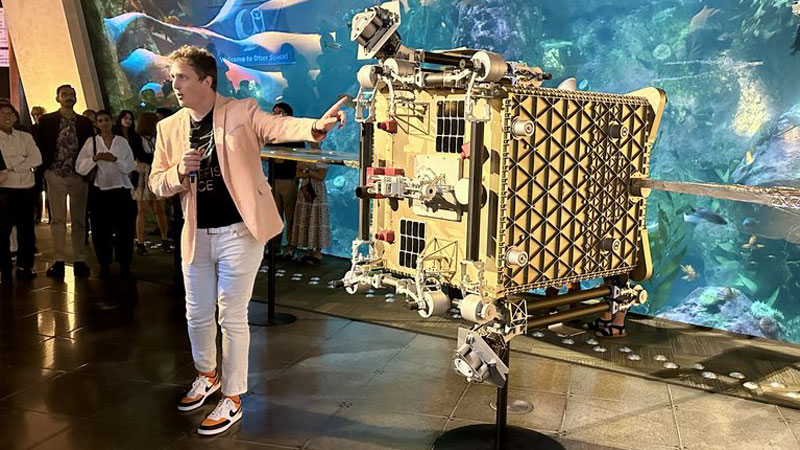
Image source: Starfish Space
The Otter vehicle is tentatively scheduled to launch on October 1 from Vandenberg Space Force Base in California as part of the SpaceX Transporter-18 mission, which is to batch launch several vehicles into space for different companies and agencies. The device cost $15 million to develop and produce, paid for by NASA as part of the SSPICY (Small Spacecraft Propulsion and Inspection Capability) program. Starfish Space is also involved in U.S. military programs.
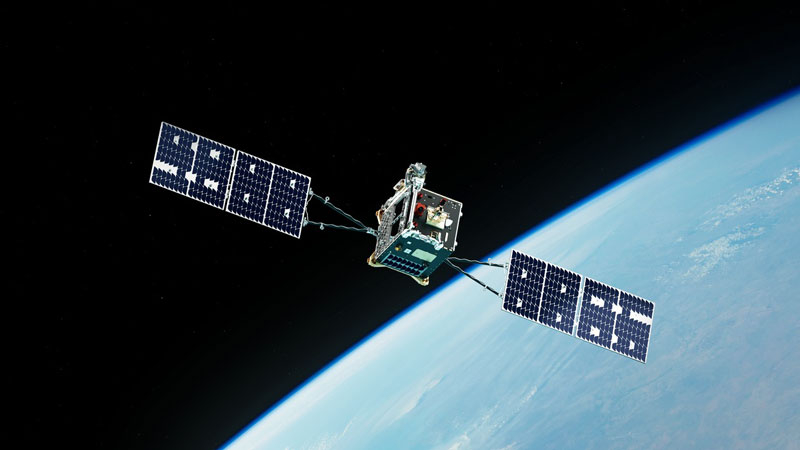
The Otter device itself is a compact satellite, weighing about 300-335 kilograms, which is about the size of a kitchen oven plus a solar panel. Its mission under SSPICY is to rendezvous with inoperative spacecraft and conduct detailed visual inspections of them. During the mission, the device had to inspect several American-made objects, collecting data on the condition of their hulls, external damage and movement parameters. The information obtained will help evaluate the prospects for recovery, reuse or safe deorbiting of such objects.
It’s unclear what equipment will be inspected before the satellite is launched and operational. The company has a specific list, but targets will be determined later. In the first phase of testing, the satellite will simply examine objects, approach them and transmit information about their condition to customers (NASA and the military). But with the mission likely to last several years, the company remains open to new challenges.

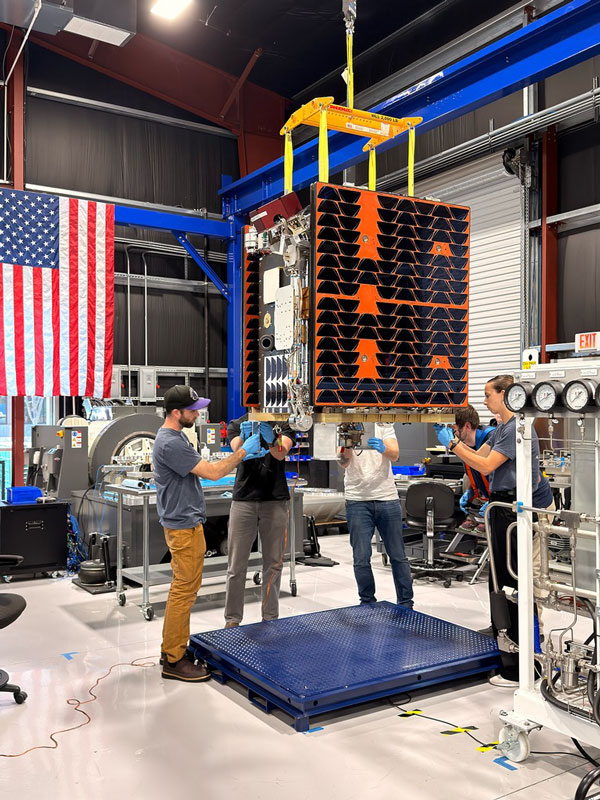
Key technologies of the Otter satellite platform include autonomous navigation, proximity control systems and future satellite service equipment. The CETACEAN complex uses computer vision and stereo cameras to determine the target’s position and speed relative to the vehicle, from which the cephalopod system calculates safe approach trajectories and options for interrupting maneuvers. In addition, the device is equipped with the Manta robotic system and Nautilus grasping mechanism with multiple degrees of freedom, which can even be docked with objects that were not originally intended to be used in the future.
Today, it takes about a year and a half to produce an Otter satellite. At least five more such devices are in production. Starfish Space has agreements to inspect and even deorbit two defunct military satellites, a NASA satellite and two commercial satellites in geostationary orbit.
For Starfish Space, the challenge now is to scale up production and speed it up. For a startup founded in 2019 by two Jeff Bezos Blue Origin alumni, Starfish Space’s current staff is quite large, with 120 employees. In addition, the company employed about 90 people a few months ago. The rapid recruitment of personnel publicly hints at some of the long-term contracts already signed for satellite services and a bright future for the field in general.
For Starfish Space, Otter’s launch will mark the transition from experimental to commercial space services. Previously, the company tested smaller Otter Pup prototypes: the first device in 2023 confirmed the functionality of the satellite tracking system, although it was unable to dock with a target object in orbit, and the second device is now in space and monitors satellites used for this purpose, helping developers practice rendezvous maneuvers in space.
Interest in the Otter mission has been fueled by the recent failure of NASA’s mission to save the Swift Space Observatory. Katalyst Space’s hastily built tugboat LINK for this purpose failed during launch into space. If something like the Otter satellite had been in orbit during these months, things might have happened differently for the observatory, otherwise it would have been burning up in the atmosphere in the coming months. But that’s another story.
If you find an error, select it with your mouse and press CTRL+ENTER.