

Control Resonant’s director explains Remedy’s approach to player assistance, clarifying the team’s philosophy of carefully avoiding overt approaches.

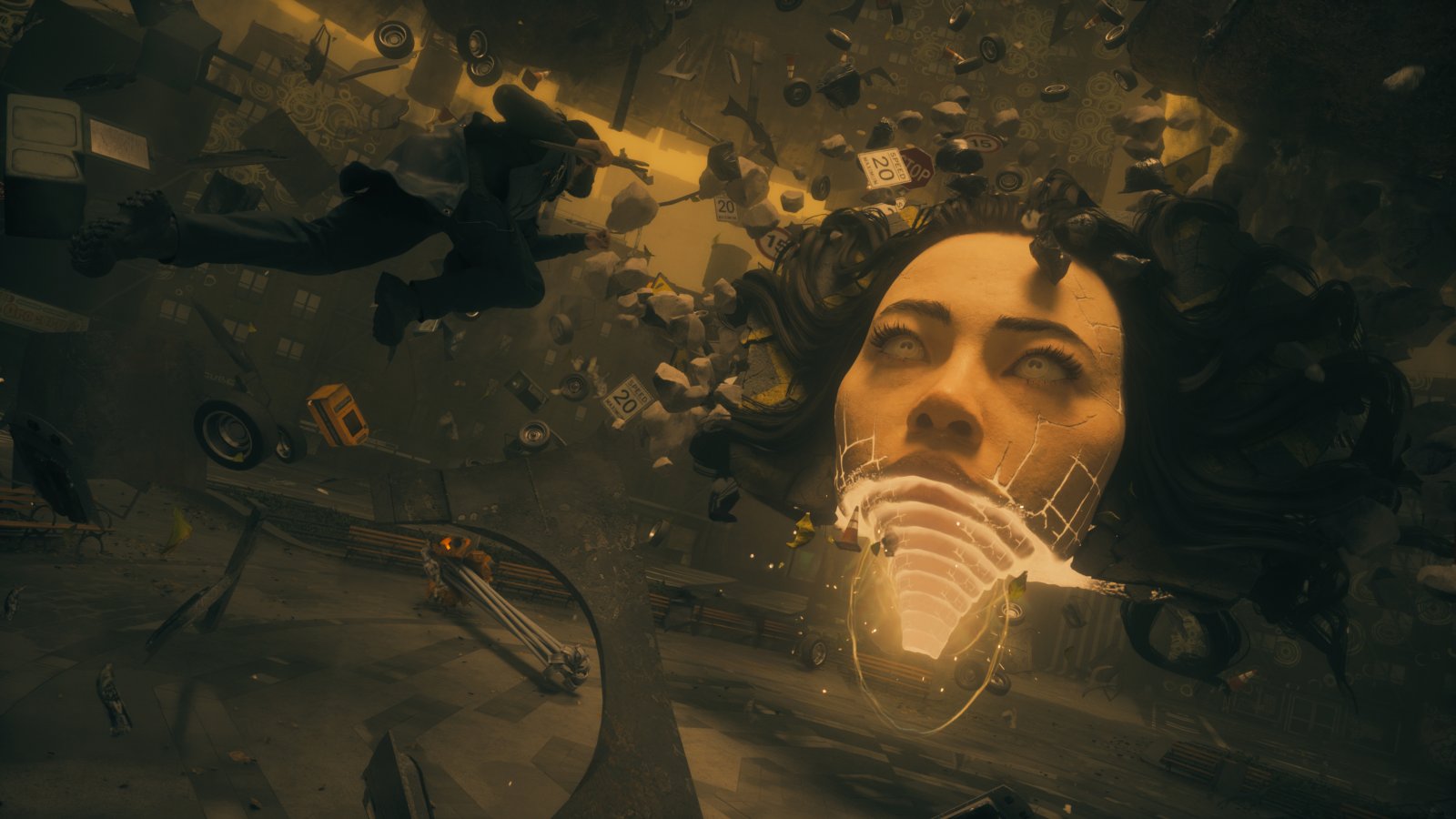


Remedy intervened in a particularly current discussion, explaining that he deliberately Avoid any “yellow paint” or other invasive aids they can Leading players too much in a complex world Control resonance.
It was during the events of Marvel’s Wolverine and the plethora of player aids that this issue came to the fore again, prompting Insomniac Games to quickly step in and tone down the visual and audio effects and change options, Remedy clearly chose a different approach.
It’s not that Control: Resonant lacks visual cues at all, but the choices the team made allow everything to fit more organically into the game world without having to make these aids too obvious.
conscious choice
“That’s a conscious decisionObviously,” explained Control Resonant director Mikael Kasurinen in a new interview on the Dropping Frames podcast, which touched on the subject.
Kasurinen believes that a high-quality game must find the right balance between competence, autonomy and interaction, which is why it is important to avoid indicators that are too obvious, lest they make rights autonomy For players, it’s also because the world of Control: Resonant is meant to be discovered through fairly free exploration.
“Players must have What it feels like to be someone who knows how to moveKasurinen said the developers were tasked with creating a world that allowed for a certain freedom of choice and movement, finding the right balance between this and the need to not be distracted, providing an element of understanding what the best path might be and the risks that need to be avoided.
Control Resonant, review: Remedy reinvents control in action keys


If the direction is too obvious, a lot of the joy and fun of discovery is lost, which are essential elements of this type of game.
“There’s nothing better than this feeling Found a way to do it myself” he added, while acknowledging that for some players, controlling resonance may initially feel “impenetrable” or confusing. However, this isn’t necessarily a bad thing.
Player participation is required
This is because such games encourage players to consciously engage in actionto be fully immersed in the experience: “They have to be present and involved in defining what is to be done. And there is no certainty that we will tell them directly, which is difficult because by doing so we risk alienating many people in a very short period of time,” Kasurinen explains.
“It’s a little bit riskybut ultimately I think it’s the right way to solve the problem, it’s the right approach, and it’s ultimately going to really stand the test of time. “That’s because such a system also forces you to replay the game multiple times.
Since the developers did not impose and clearly mark a correct path, there are still further roads, unexplored canyons and different possible choices: “This is not something you can overcome simply by doing what you are told and then that’s it”, at the end of the game “there is still a small doubt: did I make the right choice? And I I really want that damn doubt“, the director explained.
“I want people to think like this. I want them to doubt to some degree, go back, double-check, see what they could have done differently, because that’s life. That’s what makes it compelling and interesting.”
In fact, Remedy has even lowered the challenge with Control: Resonant’s initial update, with more content adding Photo Mode and New Game Plus.