


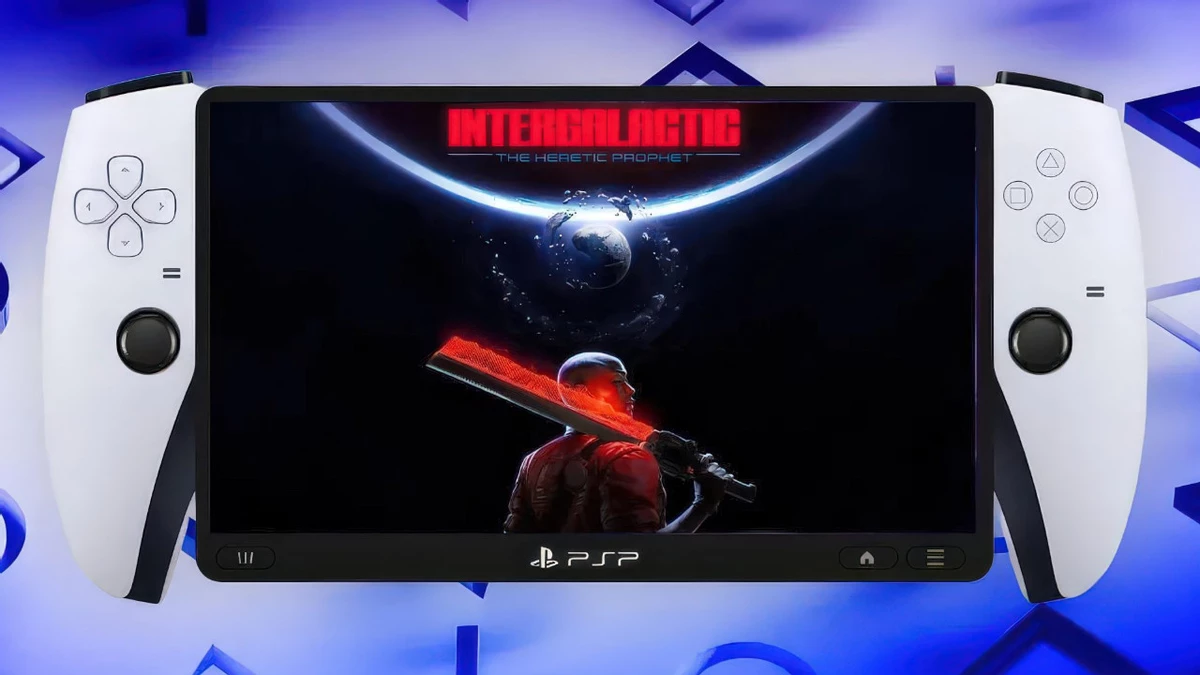
Sony is serious about getting back into the pocket-console space, but it won’t go the way of its modern rivals. According to the latest news from insiders Moore’s Law is Dead, the hybrid processor (codenamed Canis) of the future portable PlayStation 6 will be produced using the more expensive but more energy-efficient 3nm TSMC N3P process. Oddly enough, the stationary PS6 will reportedly get a cheaper, simpler N3C version.
This choice of silicon reveals the main ideas of the engineers. Most laptops on the market today have overweight and bulky cooling systems that require heat dissipation while consuming 25-30 watts of power. In the case of the new Sony console, our bets are modest clock speeds, high energy efficiency, and modest nutritional needs. The Japanese giant is committed to creating a device that is truly portable, lightweight and convenient, not just another giant brick. The main pitfall for gamers can only be the final price tag – due to expensive technical processes and a shortage of high-speed LPDDR memory in the context of the AI boom, the cost bar is likely to be significantly higher than the expected $600.