


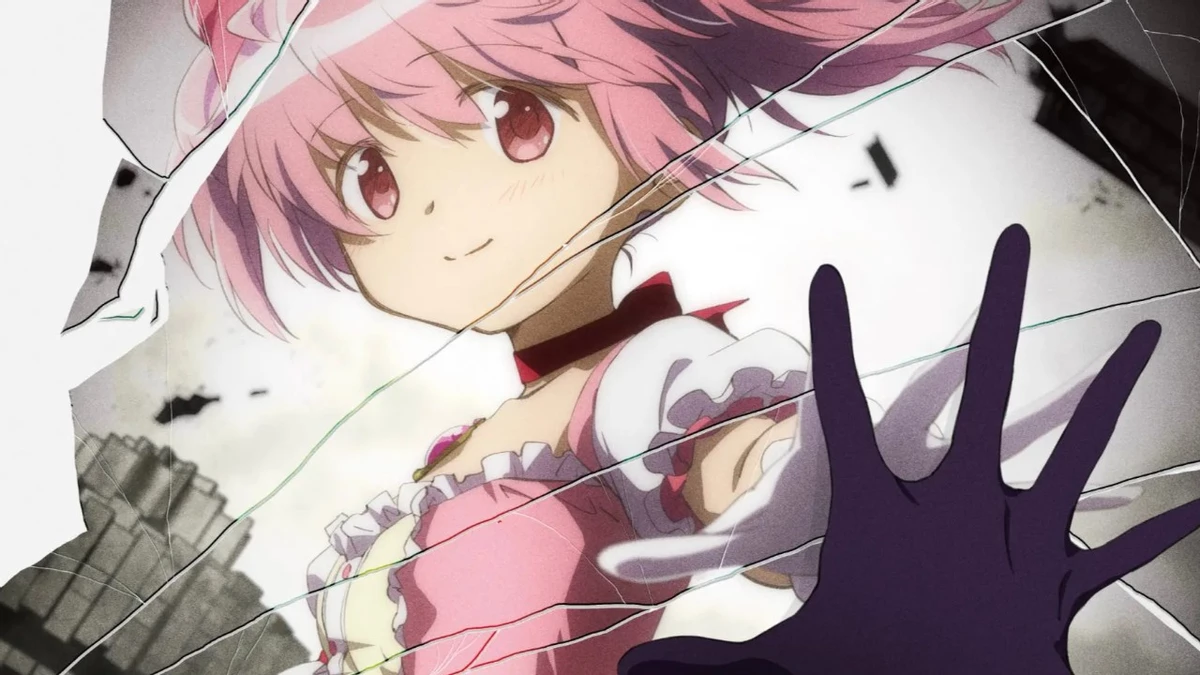
After multiple delays, the highly anticipated “Puella Magi Madoka Magica: The Movie: Return of the Demon King” finally premiered in Japan on August 28. Nearly 13 years after its release, the film is a direct sequel to the 2013 film Madoka Magica ★Magic Theater 3: Halfmon Monogatari, and the first new chapter in the series’ “main” storyline.
In a recent interview with Kyodo News, Nitroplus’ Gen Urobuchi, head writer of the original Madoka Magica series, discussed the film’s lengthy production process, how the story has developed over the past decade, and why the film’s ending feels less “violent” than one might imagine for the author, who is known for his gritty storytelling style.
Urobuchi admitted that about ten years ago, he decided to take a break from animation production to focus on tokusatsu-type projects because, in his own words, he had no ideas of his own. What prompted him to agree to work on Walpurgis no Kaiten was that the Inu Curry team at Gekidan (responsible for the visual style and design of the Madoka Magica series) came to him with a thick notebook filled with sketches and ideas for the new movie.
Personally, I never dreamed that I would be able to make a sequel, so when I got all the necessary ingredients, I felt like I could finally “make it.”
He received the offer after he completed work on the Kamen Rider Armor series (which aired in 2013-2014). Urobuchi said that under the development of theater company Inu Curry Studio, 90% of the material for the film is ready.
So the key elements such as the image of Tsune Natsuki and the model of Demon God Night have actually been determined. All I had to do was come up with an ending.
However, when he was ready to finalize it, things didn’t go so smoothly. The film’s director, Akiyuki Shinbo, wanted to “change the ending after all,” and apparently discussed the possibility of having someone else rewrite the ending from scratch. Eventually, the team informed Urobuchi that they would be returning to his original concept, but with some tweaks to the ending he had written (which, according to Urobuchi, was about four or five years ago). While the overall storyline of the finale remains the same, the way the material is presented to the audience has slightly changed
The flow of the narrative changes little until about halfway through the film, but I got the impression that the ending had been reworked and tweaked to give it a redemptive feel.