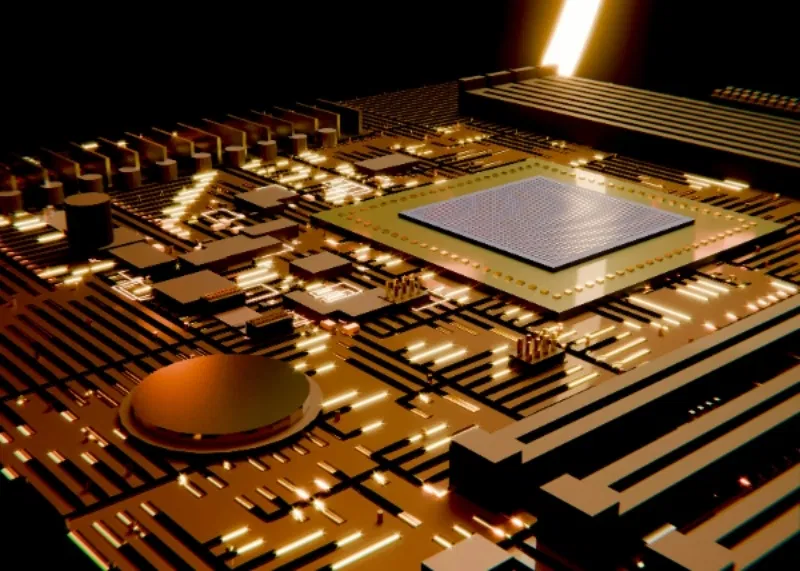
Tesla and SpaceX, as part of a joint Terafab semiconductor production project initiated by Elon Musk, began negotiations on the purchase of equipment for the production of chips with Japanese suppliers. And while suppliers welcome the potential new client, some wonder how feasible the project’s goals are at all, the resource writes. Nikkei Asia.
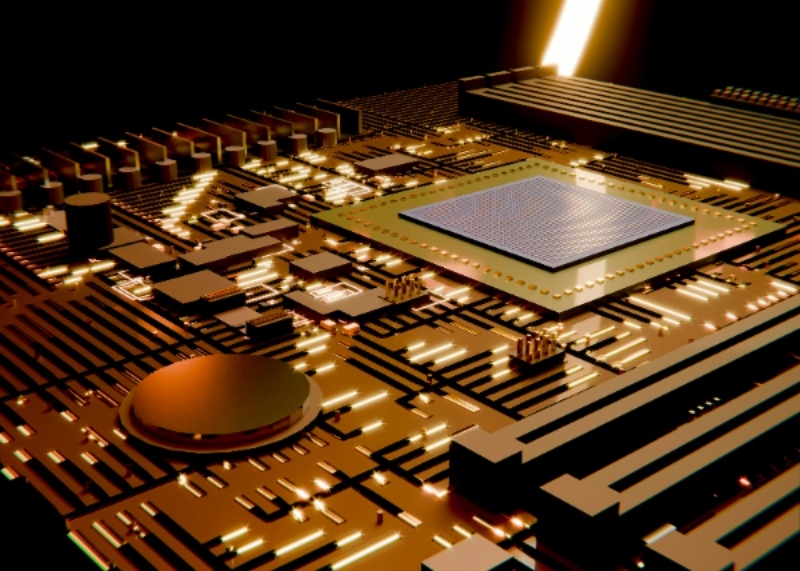
Image source: Brecht Corbeel/unsplash.com
This fall, Terafab representatives informally informed chip equipment manufacturers and other companies about their plans: starting in 2032, reach a production volume equivalent to 1 million silicon wafers per month. This is approximately 40 times the production capacity of the Japanese company Rapidus’ plant in northern Japan, which is 25 thousand wafers. About 700 thousand wafers will be used for the production of memory chips, and a little more than 300 thousand – for the creation of logic chips for computing systems. To achieve these goals, production technologies from Intel, which is also involved in this project, can also be used.
Earlier this month, Terafab procurement officials visited Japan to negotiate with local suppliers. The project is moving to the stage of subject preparation for mass production.
“The order is simply crazy, but we have no choice but to do everything possible to fulfill it,” said a representative of one of the equipment manufacturers, who received a request from Terafab to supply equipment in an extremely short time – in just a few months.
In October, during an earnings call, Douglas Lefever, CEO of Japanese chip equipment manufacturer Advantest, expressed optimism about the Terafab project, but did not provide any details.
In the same month, the chairman and CEO of the Taiwanese company TSMC, CC Wei, said that the company was in negotiations to use Terafab’s production facilities.
According to the World Semiconductor Trade Statistics organization, the global chip market is expected to reach $1.51 trillion this year (90% year-on-year growth), followed by 27% growth in 2027. If Terafab can at least partially mitigate the market gap, it will give it further impetus in 2028 and beyond.
However, analysts have doubts about future demand. “It’s unclear what actual demand for chips will be from SpaceX,” says analyst Toshiya Suzuki. “Therefore, it remains to be seen whether the company will be able to fully utilize production capacity after the plant is built.”
If you notice an error, select it with the mouse and press CTRL+ENTER.