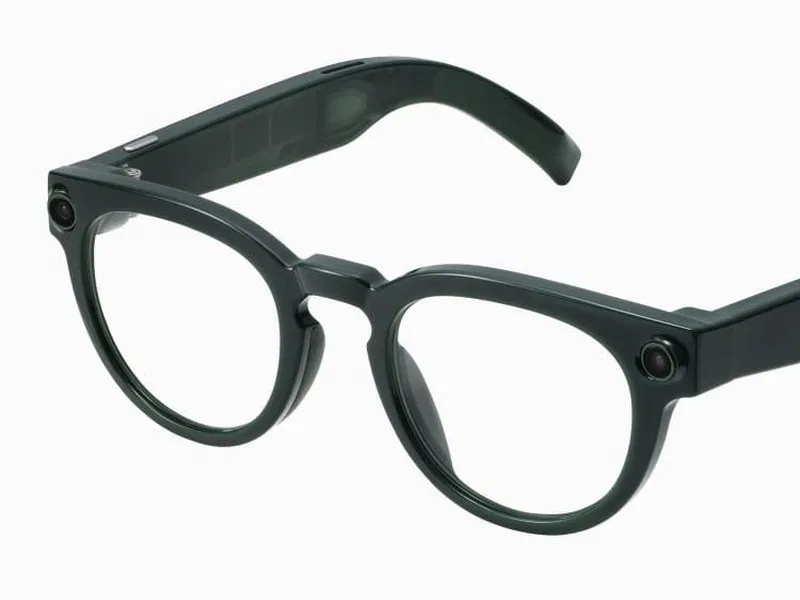
Google and Samsung have opened pre-orders for Intelligent Eyewear smart glasses, created in collaboration with frame manufacturers Warby Parker and Gentle Monster. The first tests showed that the new products are distinguished by their convenient design and extensive Gemini capabilities, however, journalists found errors in the voice assistant and delays in speech translation. In addition, autonomy and privacy protection are issues.
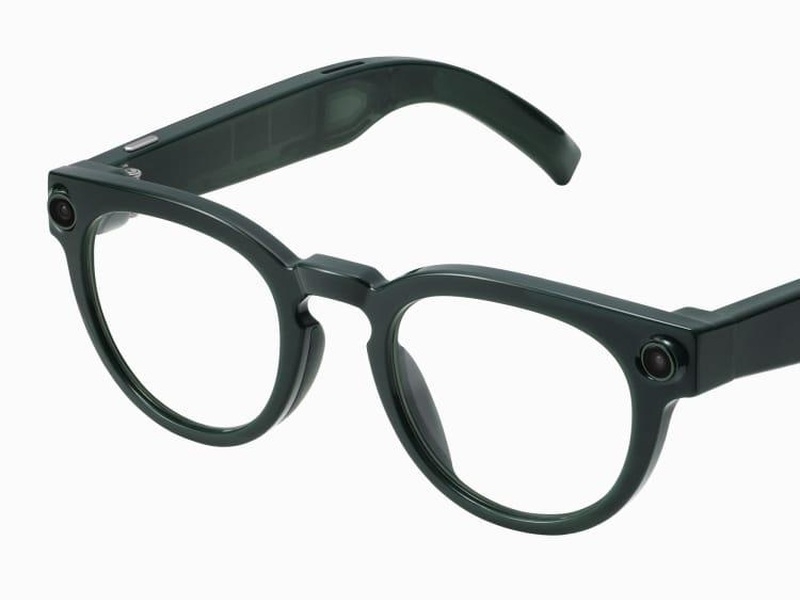
Image Source: Warby Parker
Pre-orders started on November 12, and sales will begin on December 10. Warby Parker offers three models starting at $395, and Gentle Monster has six options starting at $449. The glasses run on the Android XR platform and are equipped with a 12-megapixel camera, microphones and speakers, but lack a built-in display. Their weight is about 41 g, the declared autonomy reaches nine hours. The planned start of pre-orders was previously reported.
9to5Google editor Abner Li, who spent about an hour with the device, highly appreciated its design. According to the journalist, the new product is practically no different in feel from ordinary glasses, despite the built-in electronics. Weight is distributed evenly across the frame, and control is available with voice, temple taps, and gestures using compatible Pixel Watch and Galaxy Watch smartwatches.
At the beginning of the test, Lee preferred the touchpad, but gradually began to use voice commands more often. He noted that Gemini Live is noticeably faster in responding to requests compared to the May demonstration. Google has reduced latency and adapted assistant responses for use with glasses. However, the reviewer admitted that he is not yet sure whether voice control is fast enough for everyday use.
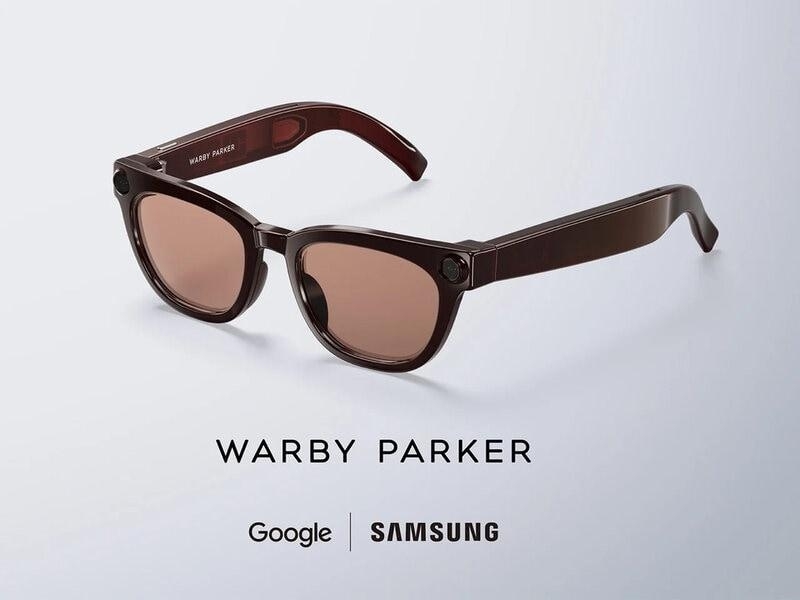
Image Source: Google/Warby Parker
The camera also made a positive impression on Lee. According to him, the 12-megapixel sensor provides good quality of the first shots, and photos are quickly transferred to the connected smartphone. The glasses also allow you to record videos up to 90 seconds long. However, the journalist has not yet been able to fully test the operation of the built-in speakers as a replacement for headphones.
CNET columnist Scott Stein experienced final versions of the glasses in the Warby Parker and Gentle Monster showrooms in New York. He liked the look of the frames and their light weight. The devices felt like they reminded him of modern Ray-Ban Meta✴✴, although closer integration of Gemini with Google services potentially gives new products additional capabilities.
Stein was especially impressed by the automatic speech translation. During one demonstration, several robotic heads spoke in different languages, and Gemini translated their statements through built-in speakers. The journalist listened to the translation for about ten minutes and noted that the system sometimes allowed slight delays and glitches. The glasses can also recognize written text in more than 70 languages and transmit translations taking into account the intonations of different interlocutors.
In other tests, Gemini recognized products on shelves, compared products, and answered questions about items on camera. However, the assistant did not cope with all tasks. Sometimes he refused to read the inscription, citing too great a distance, although Stein could clearly see the text. In one case, Gemini answered “eight minutes” when asked whether a 45-minute wait for a restaurant table was worth it.
Stein also noted the fairly loud sound from the built-in speakers and the fast transfer of photos to the Pixel smartphone. At the same time, controlling music playback using gestures on the bow seemed somewhat confusing to him. The journalist named the reliability of Gemini’s operation in everyday conditions and real autonomy as the main issues. In his opinion, it is these characteristics that will determine how useful the new glasses will be.
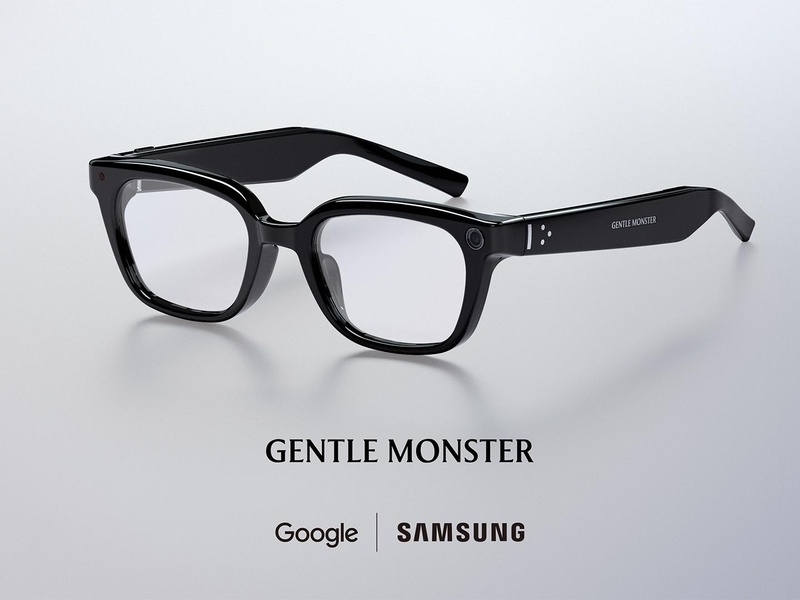
Image Source: Samsung Electronics/Gentle Monster
Greater appreciation for the power of artificial intelligence gave Victoria Song from The Verge. During the test, Gemini translated French, Spanish, Korean and German speech without pre-selecting languages. In another scenario, an assistant successfully translated a conversation in English and Thai into Japanese. The journalist noted that a similar task had previously caused difficulties for Meta✴✴ Ray-Ban Display.
Song also tested Gemini’s integration with Google services. The assistant was able to recognize a concert poster, add an event to the calendar and find flight information. In addition, he simultaneously gave walking directions and communicated the museum’s schedule. Sometimes the system independently corrected errors in object recognition or asked to look at the object from a different angle.
Journalists paid special attention to confidentiality. Images from the Gemini camera are not saved in Assistant history and are not used to train AI or personalize ads, Google said. Before data is sent to servers, the faces of strangers are hidden and surrounding voices are filtered out. During normal photo and video shooting, an indicator on the frame lights up, closing which should stop recording.
Song tested the limitations of facial recognition: Gemini refused to identify the person in front of the camera or identify the person in the photograph. Stein, in turn, drew attention to the lack of the usual live broadcast and the ability to continuously record surrounding conversations. However, both observers said it was difficult to gauge how much the measures would reduce people’s concerns about glasses with built-in cameras.
In general, journalists praised the design of the new models and the capabilities of Gemini, but their impressions of individual functions varied. Stein experienced delays and erroneous responses, while Song had good results with speech translation and Google apps. Reviewers agreed that short demos were not enough to evaluate battery life, voice control stability, and ease of wearing all the time.
If you notice an error, select it with the mouse and press CTRL+ENTER.