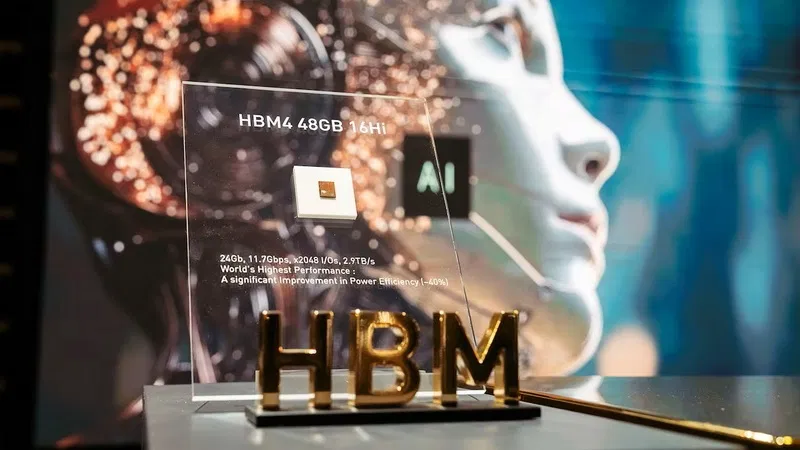
SK hynix’s sixth-generation high-bandwidth memory (HBM4) yield has exceeded 70%, increasing competition with Samsung and Micron. Citing sources in the semiconductor industry, Chosun Biz writes about this.
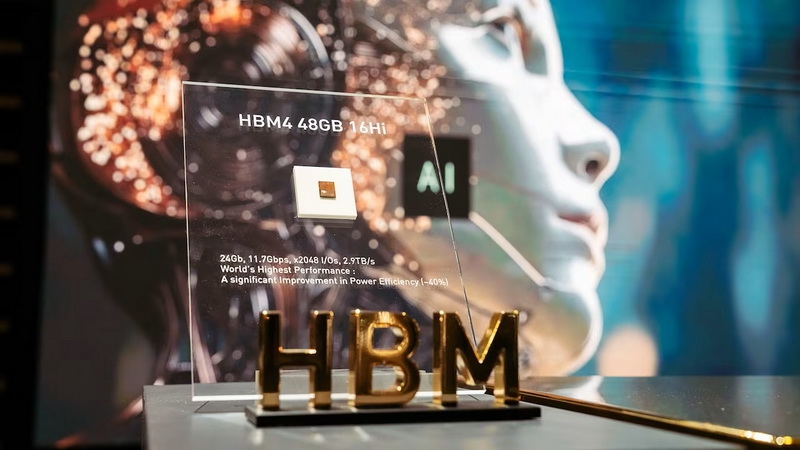
Image source: SK hynix
At the third quarter earnings conference call on October 28, SK hynix stated that the yield rates of HBM4 chips at various stages of production are among the best in the industry. Actual results exceeded initial forecasts, prompting management to increase internal performance targets. Although specific numbers were not announced, these statements signal the company’s confidence in its readiness for mass production of the next generation of memory.
HBM4 is a memory that stacks multiple DRAM dies vertically on top of each other to increase processing speed and throughput. It uses a 2048-bit interface – the number of data transfer channels here is twice as large as in HBM3E (fifth generation HBM).
Since the HBM4 release is technologically more complex than previous generations, achieving a high percentage of good chips early on becomes a key factor for market success. Unlike standard DRAM, HBM manufacturing involves many steps, from manufacturing individual dies to stacking, packaging, and final testing. Defects at any of these stages depreciate the costs of previous stages, and a low proportion of suitable products requires more resources and leads to increased costs.
Increasing the share of usable products from 60 to 70%, other things being equal, increases the volume of serviceable microcircuits by approximately 16.7%. However, there is no single stability threshold for mass production of HBM4. Real competitiveness is assessed comprehensively, taking into account chip performance, cost and customer requirements.
The improved manufacturing performance of HBM4 directly strengthens the supplier’s position in working with AI chip developers, including Nvidia. As AI accelerators grow in power, so do the demands on memory bandwidth and power efficiency, making the ability to deliver consistent volumes while maintaining quality standards a critical factor.
Samsung Electronics and Micron are also accelerating preparations for the release of HBM4. According to industry estimates from September, Samsung’s HBM4 product yield has reached approximately 80%. However, due to differences in calculation methods and measurement times between different manufacturers, it is difficult to compare their potential solely based on these figures. Industry experts believe that it is the initial mass production of HBM4 and the stability of supply that will determine future market shares.
According to one of the sources, Samsung and SK hynix have already met customer demands for chip performance, so further battle will revolve around the speed of optimizing mass production and reducing costs.
If you notice an error, select it with the mouse and press CTRL+ENTER.