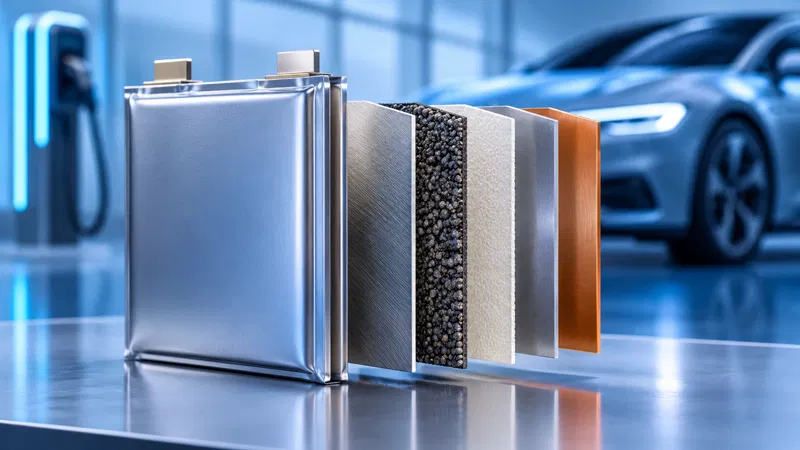
The American company QuantumScape, backed since its inception by one of Bill Gates’ foundations and Volkswagen, has introduced a new Osprey platform for the development of all-solid-state batteries (ASSB). QuantumScape already produces promising wet batteries and is ready to move forward with more advanced batteries.
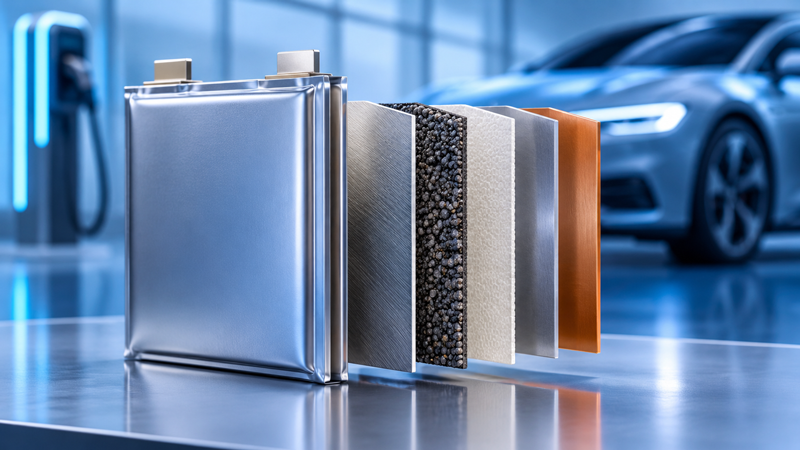
Image source: AI generation ChatGPT/3DNews
Key peculiarity Osprey batteries combine a sulfide solid cathode material with a proprietary QuantumScape ceramic separator and anodeless lithium metal architecture. The developers expect to thus combine the high ionic conductivity of sulfide electrolytes with the stability of contact with lithium metal, which is provided by a ceramic separator. The new battery design expands on the previous QSE architecture, but uses an all-solid cathode instead of a liquid cathode architecture.
The unique feature of QuantumScape batteries is that the anode is not created during the battery manufacturing process. It forms itself during the first battery charging cycle. The technology has already reached the pilot production stage on the new Cobra line and the batteries are already being supplied to selected customers, including Volkswagen.
The Osprey platform takes the benefits of QuantumScape ceramic separators and brings them to all-solid-state batteries, including new sulfide-based chemistry. Since many car manufacturers are already developing sulfide batteries, QuantumScape can offer them a “headache pill” – essentially a turnkey solution.
The main technical problem that Osprey can solve is related to the characteristics of sulfide electrolytes. They have high ionic conductivity, but can enter into unwanted reactions with lithium metal, causing battery degradation. In addition, such systems typically require significant external pressure to maintain stable contact between layers. This complicates the design of battery packs and makes it difficult to apply the technology to electric vehicles. QuantumScape says its architecture overcomes both limitations: Osprey elements operated at pressures of just one atmosphere, according to published test data.
Technical tests have shown the ability to achieve 1000 full charge and discharge cycles while maintaining about 80% of the original capacity. Tests were carried out at room temperature, charge and discharge currents of 1C, discharge depth of 100%, cathode load of more than 5 mAh/cm2 and a pressure of one atmosphere. Separately, the ability to quickly charge from 10 to 80% in about five minutes, as well as maintain functionality at temperatures down to −20 °C, was demonstrated. When using cathodes with a high surface load, the company expects to achieve a volumetric energy density of up to 1100 Wh/l, which looks extremely optimistic.
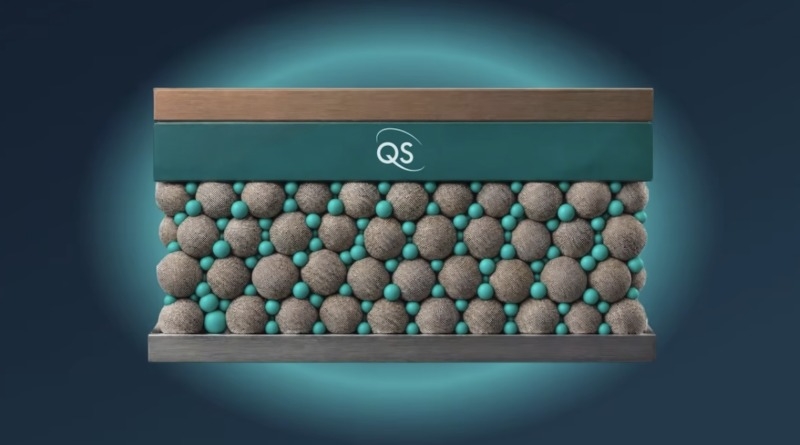
Image source: QuantumScape
QuantumScape is positioning Osprey as an open platform: partners will be able to use proprietary sulfide cathode materials, combining them with the company’s ceramic separator and anodeless architecture. According to the developer, compatibility has already been tested both with cathodes of its own design and with materials provided by automotive partners. Licensing of technology and joint development of batteries are envisaged.
If you notice an error, select it with the mouse and press CTRL+ENTER.