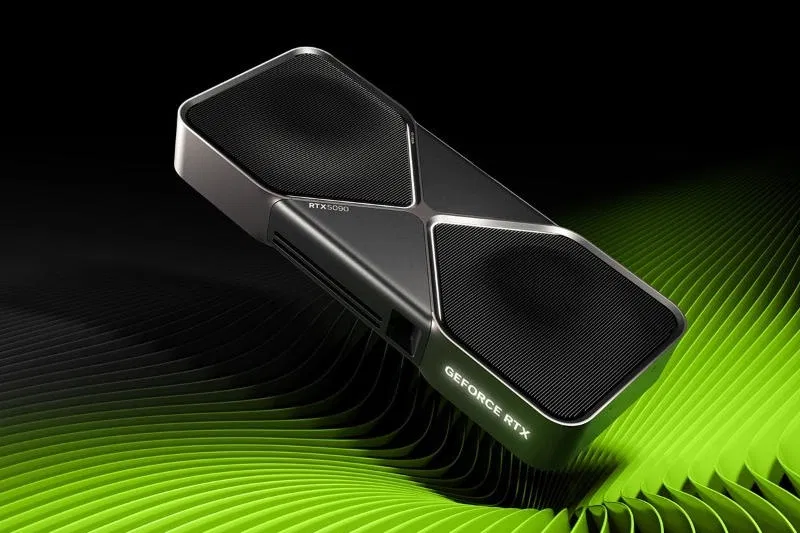
Nvidia GeForce RTX 5090 graphics cards are back in stock at US retailers, only now they’re being offered at more than triple the MSRP. The return of the flagship to stores comes amid rumors about the cessation of its production, which Nvidia previously denied.
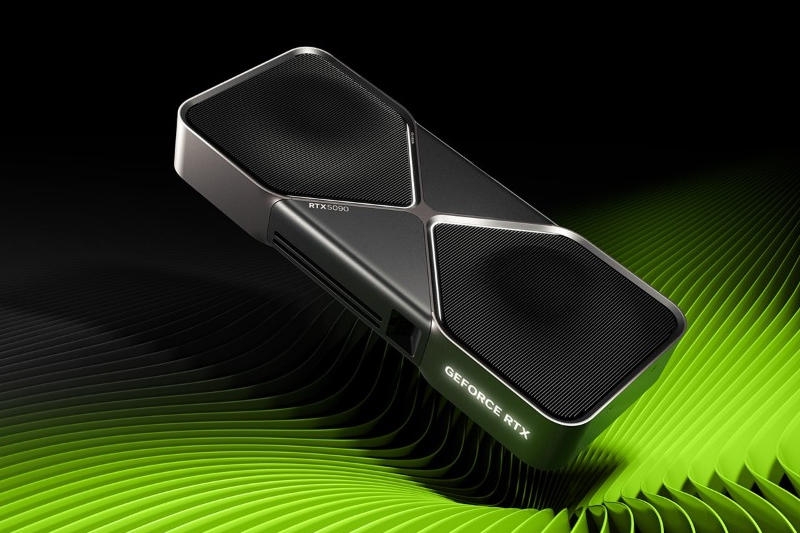
Image source: nvidia.com
After several weeks of shortages, finding the GeForce RTX 5090 in American retail has become easier. Newegg offers several Asus, Gigabyte and MSI models with immediate shipping. In September, large stores’ own stocks practically dried up, and customers had to turn primarily to third-party sellers.
The most affordable of the listed models is the Asus ROG Astral RTX 5090 OC for $6,249.99. The Gigabyte Aorus RTX 5090 Xtreme Waterforce is available for $6,599.99, the Aorus Master Ice for $6,759.99, the MSI Gaming Trio OC for $6,999.99, and the MSI Suprim SOC for $7,349.99. The RTX 5090 has a starting MSRP of $1,999, so even the cheapest of these cards costs more than 3 times that amount. In this case, we are talking about the performance of Nvidia partners, whose own recommended prices may be higher than the base one.
In Japan, meanwhile, individual examples of price reductions appeared: the Palit RTX 5090 GameRock fell in price by 240,000 yen, and the PNY RTX 5080 model by 60,000 yen. However, it is too early to talk about a general trend towards cheaper video cards.
Let us recall that in October, Chinese informants claimed that Nvidia had stopped supplying GB202 graphics processors for the GeForce RTX 5090, deciding to direct them exclusively to the production of professional RTX Pro accelerators. These reports were reinforced by the disappearance of the flagship video card from a number of stores.
However, Nvidia Senior Vice President Jeff Fisher denied the RTX 5090 is being discontinued and said that shipments will continue, although available production capacity is limited. The return of cards to retail is consistent with this statement and shows that the flagship has not completely disappeared from sale. Restocking in itself, however, does not allow us to determine when the received video cards were produced and does not prove the normalization of supplies.
If you notice an error, select it with the mouse and press CTRL+ENTER.