Solar energy in terms of the construction of new power plants has gained such an incredible pace that in 2026 it harmed itself for the first time: so many new sites were built that many of them were stuck in the queue for connection. For the first time in eight years, this and other factors will lead to a decrease in the commissioning of new facilities compared to the previous year.
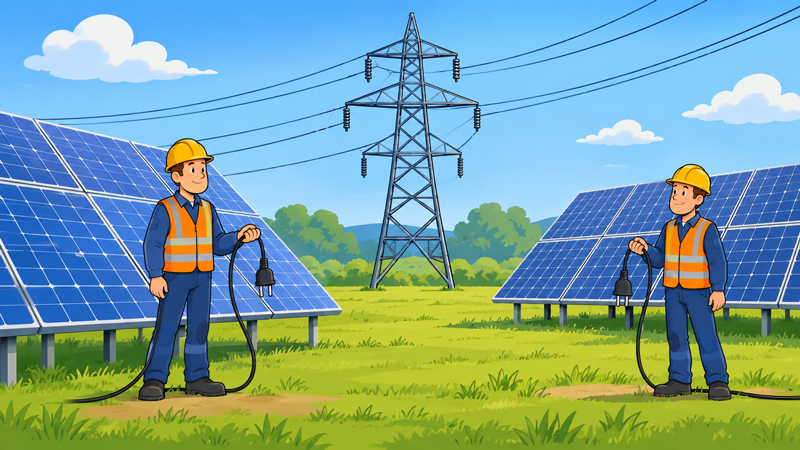
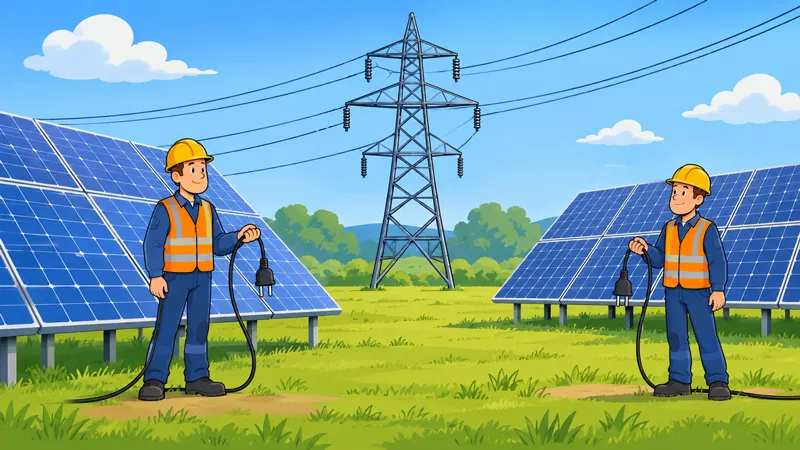
Image source: AI generation ChatGPT/3DNews
About the paradoxical tendency reported British analytical company GlobalData. The global pace of commissioning solar power plants in 2026, its analysts report, may begin to decline for the first time since 2018. With nothing left until the end of the year, the forecast is close to coming true, and just a year ago the number of solar power plants connected to the grid increased by a record 17.5% compared to 2024. Only a year has passed and the situation has changed radically. So what happened?
Analysts say the main reason for the expected decline is a change in the rules for supporting solar energy in China, an adjustment in US energy policy and a slowdown in demand… in Pakistan. At the same time, it is the changes in China associated with the transition to market pricing for electricity that will become the main reason for the observed trend.
In 2025, China will account for more than half of all global solar capacity additions, leaving the United States and India behind. The Indian market grew by 87.2% over the year, supported by large projects and the government’s PM Surya Ghar solar home installation program. Pakistan increased its input by 34.3% thanks to the rise of off-grid solar installations, primarily on rooftops, becoming the fourth largest market in the world. In Saudi Arabia, new capacity more than tripled after the commissioning of several gigawatt-class power plants. At the same time, the European market added only 2.6%, and the North American market decreased by 3.6%.
An additional factor of uncertainty is changes in the cost of equipment. GlobalData estimates that the average cost of building solar power plants fell by about 41% between 2020 and 2025, but the long decline in panel prices has stalled. Among the reasons for the rise in prices at the beginning of 2026, analysts cite rising prices for silver and solar cell elements, changes in Chinese export tax incentives from April 2026, and Beijing’s measures to combat excessive competition in an industry that is in some way devouring itself, excessively consuming resources even to the detriment of profitability.
In parallel, energy grid operators in China are limiting the operation of renewable generation, the production of which cannot be reduced at times of peak production: it is either there or it is not. In Europe, periods of negative wholesale electricity prices are becoming more frequent, and in the United States, India and Brazil, projects are delayed due to queues for connection to the grid, which are hampered by bureaucracy.
However, the situation is not hopeless. The light at the end of the tunnel will be provided by cheaper batteries and public electricity storage systems. GlobalData predicts a recovery in annual solar site commissioning as early as 2027. Analysts believe that one of the factors behind the recovery is the reduction in cost of battery systems: the combination of solar panels with storage devices makes it possible to shift production to hours when solar generation is reduced and reduce dependence on grid limitations. In other words, solar energy will be able to compete for evening and night hours, during which gas, oil, hydroelectric power plants and nuclear power plants previously had no competitors.
Thus, the total installed capacity of solar energy in the world in 2025–2035, according to the company’s calculations, will increase by an average of 12.5% annually. Solar power generation should grow at a comparable rate, resulting in solar generation’s share of global electricity production more than doubling by 2035.
If you notice an error, select it with the mouse and press CTRL+ENTER.