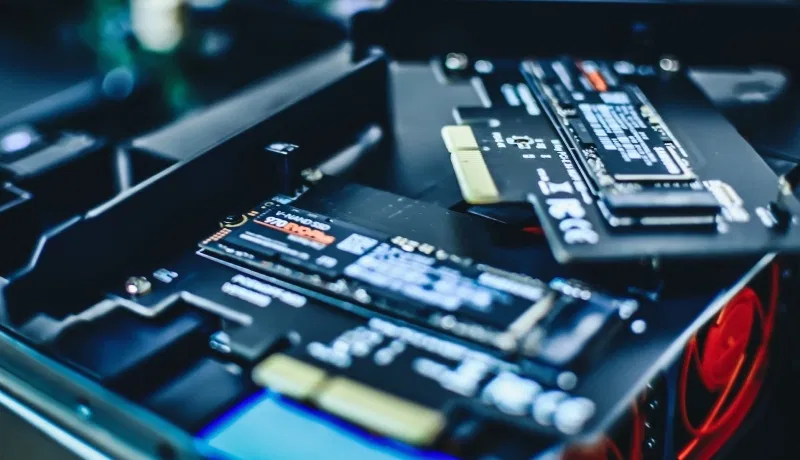
Over the past year or so, solid-state drives (SSDs) have become more expensive due to the boom in artificial intelligence technologies. However, the situation may soon change: according to the Seoul Economic Daily (SED), spot prices for NAND chips for consumer drives have begun to decline. Bank of America analysts also predict a decline in contract prices amid falling demand and increased competition from Chinese manufacturers.
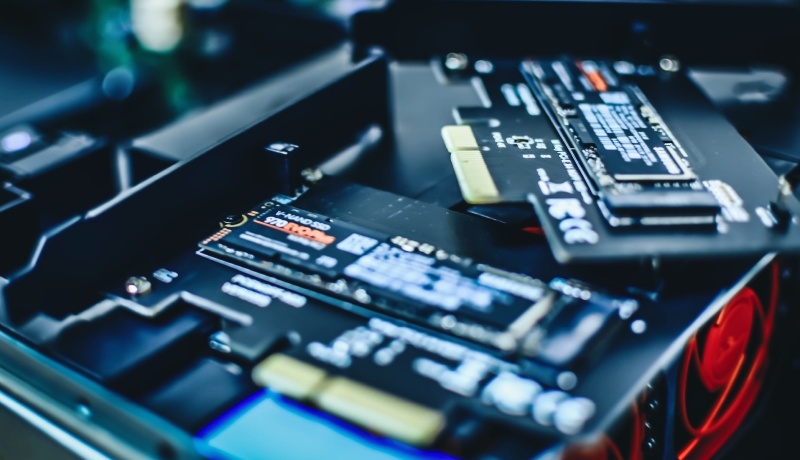
Image source: unsplash.com
According to SED, the cost of wafers with 512-gigabit 3D NAND chips in the spot market decreased by 32% to $14.30 per unit, and the price of wafers with 1-terabyte chips fell by 19% to $24.90. Analysts believe that the NAND market will not be able to maintain the high prices seen so far.
Such a decrease may seem strange against the backdrop of the continued increase in prices for corporate SSDs. However, as SED notes, rising prices for smartphones and PCs have forced consumers to postpone upgrading their equipment. As a result, smartphone shipments fell 20% year-over-year, reaching their lowest level in 14 years in the third quarter. Personal computer shipments also fell, down 22.5% year over year, according to Gartner.
Under current conditions, electronics manufacturers prefer to sell off existing stocks. In addition, they apparently already have a sufficient reserve of NAND chips for the near future. This has led to lower prices for new batches of products entering the spot market.
It’s also worth considering that in the consumer NAND memory market, not all types of flash memory are identical. Manufacturers of RAM and flash memory are redirecting production capacity to meet the needs of the rapidly developing field of AI. At memory factories, there is a gradual transfer of capacity from DDR5 production to HBM production, since they share some of the technological processes.
However, in the NAND segment the situation is different. Modern high-density flash memory has about 300 layers, and its production requires completely different equipment from what is used to create simpler chips intended for the mass consumer. Therefore, increased demand for NAND from data centers serving AI systems will not necessarily lead to a reduction in supply for the consumer market.
In addition, additional volume from Chinese manufacturer YMTC adds downward pressure on prices. According to SED, in the second quarter of this year alone, YMTC captured 14% of the market share from other major NAND players.
Taken together, these factors could bring some relief to the consumer sector. In the first quarter of 2027, PC and smartphone flash memory prices under long-term contracts could decline by 5% to 10%, while enterprise NAND prices are likely to remain relatively stable in the first quarter of 2027.
Time will tell whether this will lead to a noticeable reduction in the cost of final devices and components. It will take some time before products with such chips appear on the market. However, given the current shortage of components caused by the AI boom, any opportunity to reduce prices is already a positive development.
If you notice an error, select it with the mouse and press CTRL+ENTER.