Modern OLED monitors regularly show a notification asking you to turn off the screen to recalibrate the pixels to prevent burn-in. TCL has unveiled a 27-inch OLED gaming panel with a 500Hz refresh rate that doesn’t require such pauses – it performs maintenance in the background. In addition, its production may be cheaper.
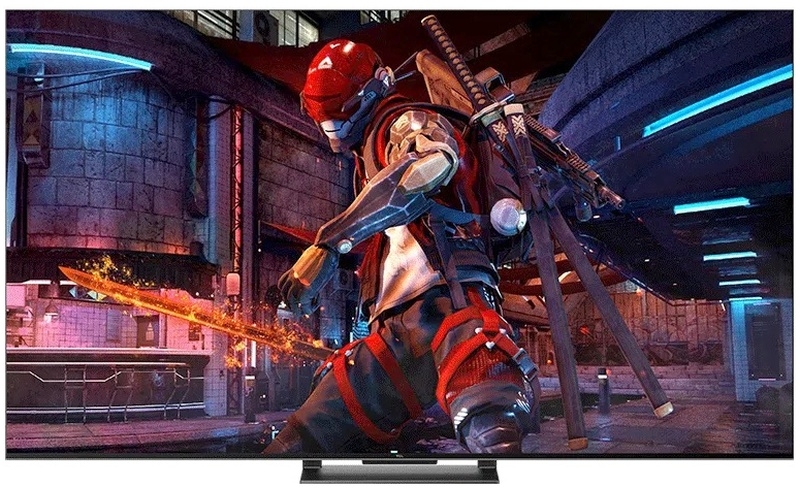
Image source: TCL
Most modern OLED monitors use a traditional approach to maintenance. For example, on the Dell Alienware AW3423DW, after four hours of operation, a reminder appears asking you to start the update process, for which you have to turn off the screen completely. If you ignore these requests long enough, some models may force the procedure to run.
The prototype presented by TCL at the DTC2026 conference shows that the company, at least in theory, has managed to solve this problem. The device combines proprietary OLED inkjet technology, an oxide substrate, and what TCL claims is a first-of-its-kind compensation system built directly into the panel and designed for high refresh rates. The panel adjusts the state of pixels in real time, without requiring the monitor to go into standby mode
Reducing the cost of the panel was achieved by optimizing the production process. Instead of depositing organic materials in a vacuum chamber, the company applies them to glass using inkjet printing, similar to how a regular desktop printer works. This significantly reduces the consumption of expensive components. According to TCL, this approach can reduce overall production costs by approximately 20%.
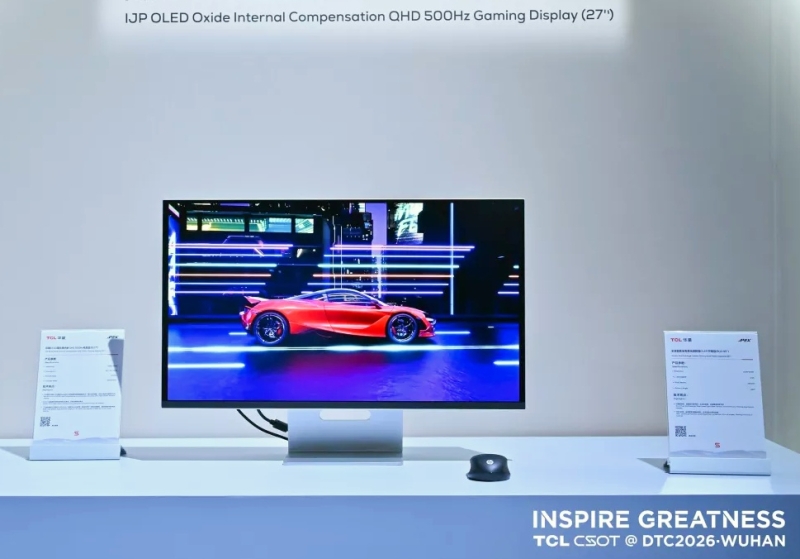
It is unclear when exactly the 500 Hz panel will appear in production monitors. The next important step for TCL will be the launch of a new OLED inkjet panel production line in Guangzhou. Deliveries of equipment there began on October 31, and the start of mass production is planned for the fourth quarter of 2027. It is reported that it is at this enterprise that the company plans to produce panels with a refresh rate of 700 Hz with diagonals of 32 and 34 inches.
Today, the market for OLED panels for monitors is actually divided between Samsung Display and LG Display. This is partly why OLED monitors account for only about 3% of the market this year. According to analysts TrendForce, this figure could roughly double by 2030, thanks in large part to TCL’s new production capacity.
If you notice an error, select it with the mouse and press CTRL+ENTER.