Samsung Electronics has already allocated most of its memory production capacity for 2027–2029 under contracts, reports the South Korean publication Economy Tribune, citing sources familiar with the situation. At the same time, buyers are asking for more memory than is stipulated in already concluded agreements, and some want to extend deliveries until 2031.
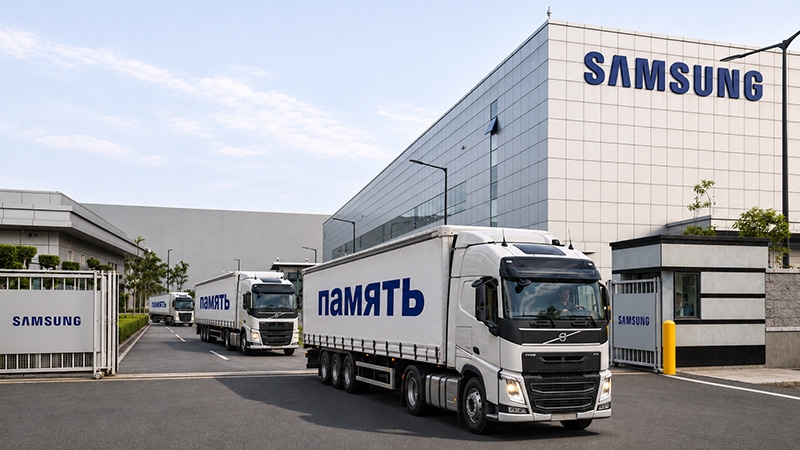
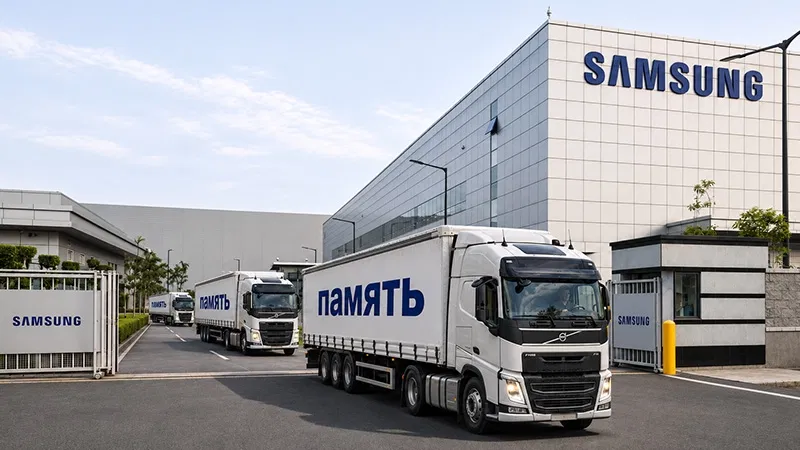
Image source: ChatGPT generation
According to the publication, by 2027 Samsung has virtually no free capacity left to produce conventional DRAM. The entire volume of HBM planned for the same year, according to the company itself, has already been sold out. Contracts with a period until 2031 were announced back in September. Then it turned out that Samsung had allocated about 70% of its capacity for this period to multi-year agreements. Among the company’s major customers were Nvidia, Microsoft and Google.
Now Apple also wants to guarantee supplies for several years ahead. By data The Korea Herald, negotiations with Samsung on DRAM supplies have reached their final stage. The agreement is for four to five years, and deliveries could begin in the first half of 2027. The parties negotiate a guaranteed minimum volume, with prices depending on the market. Previously, Apple favored shorter contracts so it could revise prices more frequently. According to the publication, the company has already concluded a multi-year agreement with SK hynix.
Samsung itself announced at the end of October that it had signed multi-year agreements with ten major clients and was negotiating with ten more. The company expected to allocate 60–70% of its memory production capacity to such contracts over time. The signed agreements stipulated a minimum price. In new transactions, the parties also discuss the upper limit of the price and prepayment.
The growth of HBM production complicates the expansion of conventional DRAM production. The production of HBM requires more silicon wafers in terms of the same amount of memory in bits. At the same time, demand for conventional server DRAM for AI data centers is growing, forcing smartphone and PC makers to compete for supplies with cloud companies.
The shortage also affected corporate SSDs. Industry sources estimate that suppliers can now meet just over half of the demand for such drives. For consumer NAND, this figure is about 70%. At the same time, TrendForce predicts that in the first quarter of 2027, contract prices for NAND as a whole may decrease by 0-5% compared to the previous quarter. This is due to the fact that Chinese cloud companies are reducing orders for enterprise SSDs, and global production of flash memory continues to grow.
If you notice an error, select it with the mouse and press CTRL+ENTER.