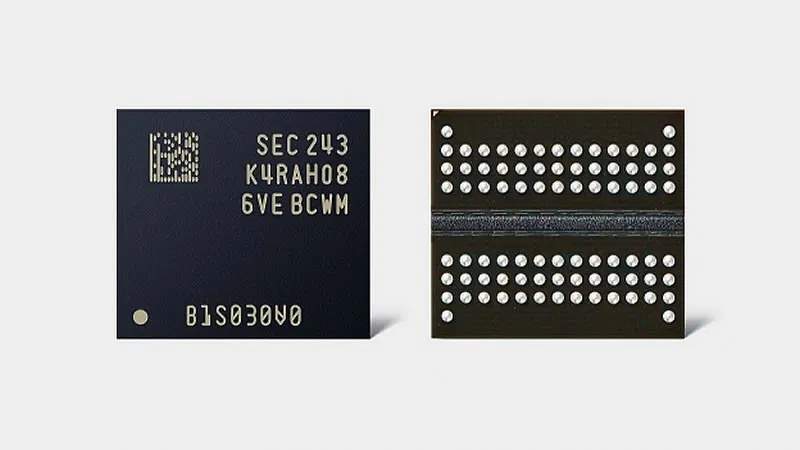
The largest memory manufacturers are planning another price increase amid growing demand from data centers for artificial intelligence. At the same time, server components are becoming more expensive much faster than consumer components, as suppliers redistribute production capacity in favor of corporate customers.
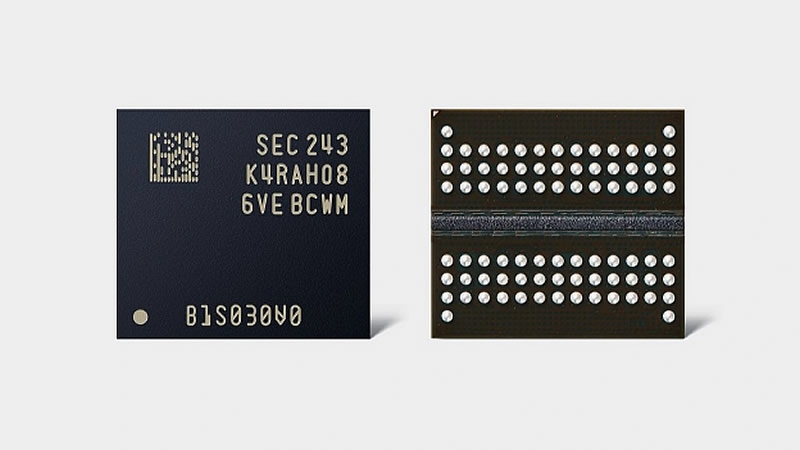
Image source: trendforce.com
According to TrendForceseveral leading manufacturers have verbally informed distributors of their intention to increase prices for enterprise-class memory chips. There are no official notifications yet, but the cost of components in supply channels has already begun to rise. The main reason remains strong demand from data centers, while the consumer market continues to struggle.
The hardest thing is for small memory module manufacturers. Large customers get an advantage in the distribution of products, while other companies have to look for the necessary components on the spot market at higher prices. As a result, purchasing costs are rising faster than the cost of finished modules.
The Chinese market is also seeing an unusual situation where 16GB DDR5 modules are being offered for around 1,600 yuan (about $240), although the average manufacturer contract price is 2,000 yuan (about $300). Some suppliers are also reporting production capacity bookings until 2028, indicating that component shortages will not be easy to resolve quickly.
Samsung, SK hynix and Micron, in turn, are directing more and more production resources to high-speed HBM memory, server DDR5 and enterprise QLC SSDs. Because of this, the availability of conventional DRAM and certain types of NAND is decreasing. According to TrendForce, enterprise SSD prices will increase by 15-20% in the fourth quarter of 2026, driven by strong demand from North American cloud providers.
In the consumer electronics segment, the situation is different. Laptop shipments in the third quarter fell 15.8% from the previous quarter, and accumulated inventories are forcing PC makers to reduce purchases of memory chips. Analysts expect contract prices for PC DRAM to rise by 13% to 18%, while client SSD prices will rise by less than 5%.
If you notice an error, select it with the mouse and press CTRL+ENTER.