Lenders and investors have put multibillion-dollar data center financing deals in the Asia-Pacific region on pause after the United States tightened export rules for cutting-edge AI accelerators. Problems have arisen with projects aimed at transferring computing power to Chinese technology giants – ByteDance, Alibaba and Tencent.
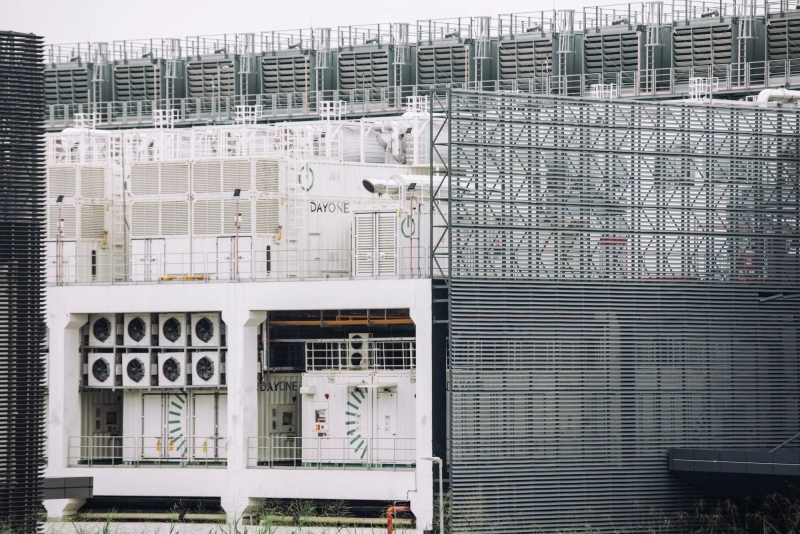
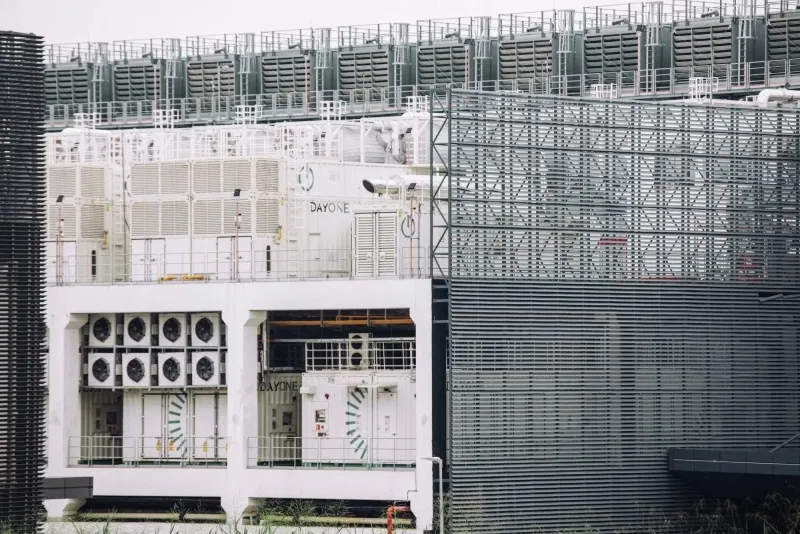
Image source: Bloomberg/Samsul Said
The reason for the freeze was new requirements from Washington, introduced last week: now companies from Singapore, Malaysia, Indonesia, Thailand and Brazil require a special license from American authorities to purchase advanced accelerators from US manufacturers. In addition, data center operators around the world that already provide significant computing power to Chinese companies are required to obtain a separate permit within 90 days.
As a result, banks began to massively reconsider already agreed loans. In particular, lenders suspended a deal to provide an increased loan of $6.6 billion for the operator Bridge Data Centers (owned by Bain Capital), whose sites in Malaysia are used by ByteDance. One of the banks also refused to participate in a $372 million loan for Digital Halo (controlled by Partners Group), which is building a Malaysian data center to serve Alibaba.
In addition, a $480 million loan for Singaporean cloud provider Aolani, which works with ByteDance, is being reviewed. One of the investment funds also refused to participate in a $300 million loan for GMI Cloud, an Nvidia partner purchasing chips for a data center in Thailand intended to serve Tencent.
It has been revealed that major financial institutions, including Citigroup, Standard Chartered and leading Singapore banks, have launched extensive customer reviews and are trying to reduce the amount of such assets on their balance sheets.
Since 2023, the volume of lending to data center operators in the Asia-Pacific region has grown from almost zero to more than $49 billion, as Chinese companies actively rented servers abroad, bypassing direct sanctions on the import of American hardware to China. According to international trade lawyer Ben Kostrzewa from Hogan Lovells Cadwalader, the forced pause will not stop the development of the market, but it will indeed force its participants to reconsider the parameters of transactions.
If you notice an error, select it with the mouse and press CTRL+ENTER.