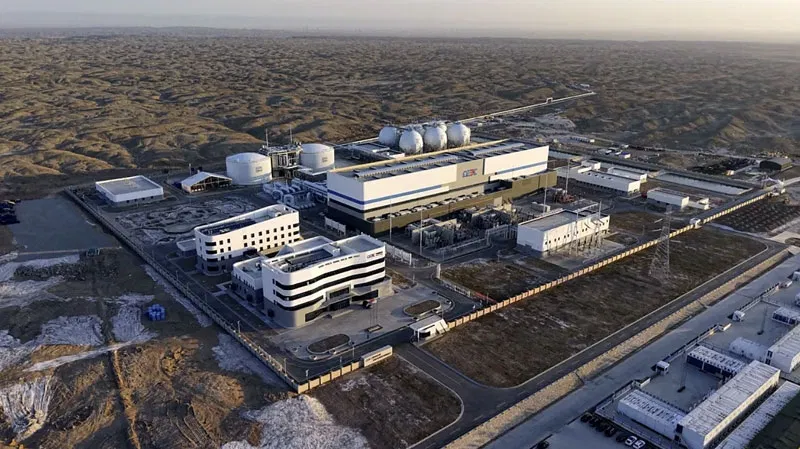
The practice of pumping air underground during periods of peak renewable energy production and then using it to generate electricity on demand is not something new. To do this, it is customary to use salt caves or abandoned workings. But the Chinese have gone further – they do not wait for mercy from nature and geology, but dig caves for batteries where they need them.
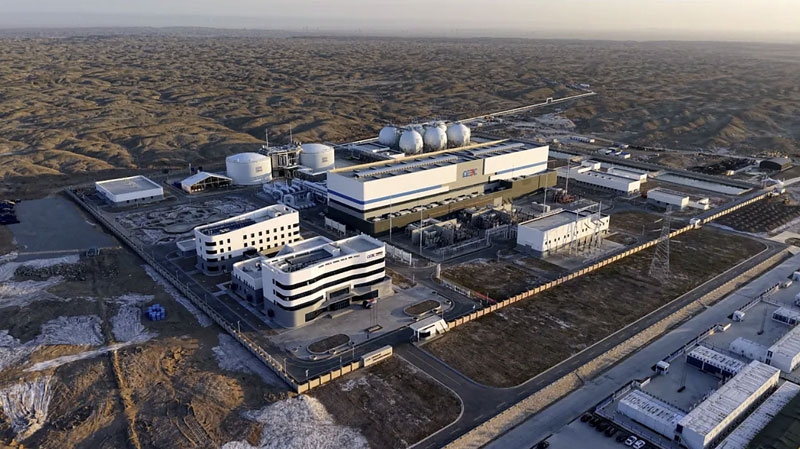
Image source: Energy China
So, in the Chinese province of Gansu to the power grid connected The world’s first industrial power plant using artificially created underground chambers to store energy in the form of compressed air. Installation Yuanchu No. 1 with a power of 300 MW and a capacity of 1800 MWh is located in Yumen City. It delivered its first electricity supply to the grid on November 16, 2026. The project, worth about 2.5 billion yuan ($368 million), was implemented by China Energy Digital Technology Group, part of the state-owned China Energy Engineering Corporation. The estimated duration of the charging cycle is eight hours, and the duration of continuous generation is six hours.
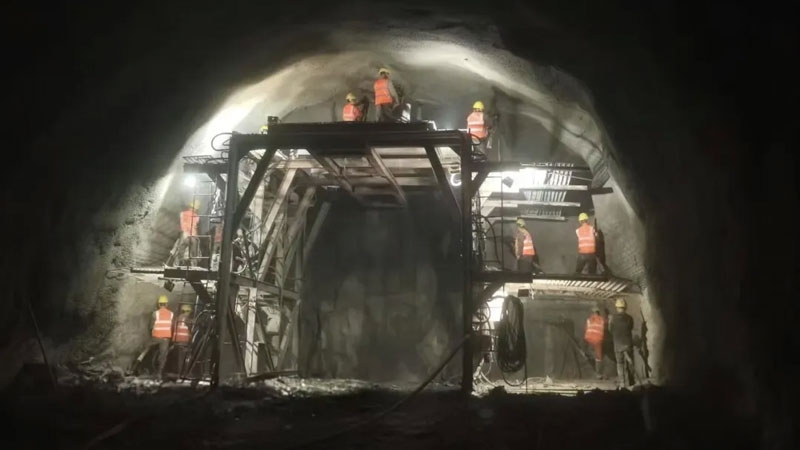
Unlike traditional CAES (Compressed Air Energy Storage) systems, which use natural underground cavities, primarily salt caverns, at the new station the storage facility was built directly in the solid rock mass. At a depth of about 110 m, four interconnected chambers with a total volume of approximately 200,000 m3 were excavated. They are designed for operating pressures up to 18 MPa. This solution allows the construction of storage tanks not to be tied to the presence of suitable salt layers, but requires mining and the creation of a special hermetic structure capable of withstanding high pressure. In particular, the chambers are lined with steel sheets on the inside to retain air under pressure.
When charging, electricity is used to operate compressors that pump air into underground chambers. The heat released during compression is not discharged into the environment, but is accumulated in a special thermal storage system. It combines a low melting point triple salt mixture with pressurized hot water tanks to allow different temperature levels to be used during plant operation. When generating electricity, the accumulated heat is sequentially returned to compressed air, which is then expanded in turbines that rotate electric generators.
According to the developer, the electrical efficiency of the full charging and discharging cycle reaches 72%, and the estimated annual output is 600 GWh. The station is intended, among other things, to accumulate excess electricity from wind and solar power plants in the region and its subsequent supply to the network during periods of increased demand. At the same time, the efficiency indicator should still be considered a declared characteristic of the project: there is no independent data on long-term operation confirming its achievement in real conditions.
The practical significance of the technology lies in the ability to construct large underground compressed air storage facilities where there are no suitable natural salt caverns. However, the economic feasibility of this approach will depend on the cost of penetration, the cost of sealing the chambers and the duration of their stable operation under pressure.
If you notice an error, select it with the mouse and press CTRL+ENTER.