
Japan’s Wacom, known for its Intuos graphics tablets and Cintiq pen displays, is preparing to leave the Tokyo Stock Exchange. The company’s CEO, Nobutaka Ide, intends to buy it out together with the South Korean investment company MBK Partners. The ransom is estimated at approximately 136.6 billion yen ($860 million). Against the backdrop of competition from cheaper Chinese devices, Wacom intends to update its range and shift its focus to products for education and healthcare.
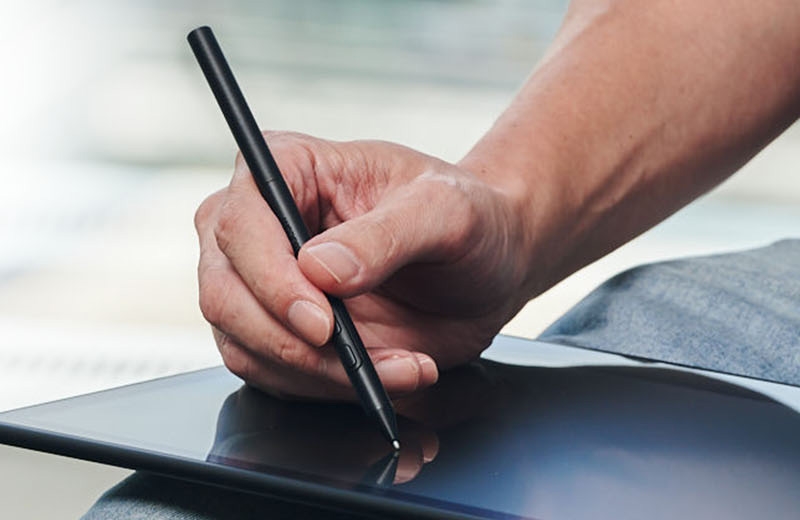
Image source: Wacom
Wacom’s board of directors supported the plan and recommended that shareholders accept the buyout offer at 1,030 yen per share. This is 54.9% higher than the closing price on November 20, when the company announced the deal. The buyout is planned to begin in mid-February 2027 after receiving regulatory approvals. To complete it, it is necessary to collect applications for the sale of at least 88.35 million shares, which corresponds to approximately two-thirds of the votes. The buyout of the remaining minority shareholders is scheduled for June, after which Wacom will leave the stock exchange. Ide will continue to lead the company.
In documents accompanying the deal, Wacom cites increased competition from manufacturers of low-cost devices, primarily Chinese, as one of the reasons for restructuring its business. Competing with Wacom in this category are Huion and XPPen, a brand of Shenzhen-based Hanvon Ugee. Both brands produce both screenless graphics tablets and pen displays. For example, Huion Kamvas 13 and XPPen Artist 12 compete with Wacom One in the entry-level segment.
Wacom’s branded products division, which includes graphics tablets and pen displays, returned to profit in the fiscal year ending March 2026. It earned 2.02 billion yen after a loss of 2.88 billion yen a year earlier. Wacom attributes the improvement to fixed cost cuts and product upgrades, including the launch of new Cintiq and standalone MovinkPad tablets.

In April-September 2026, the division’s revenue grew by 24.4%, to 18 billion yen, and its profit by 2.6 times, to 2.43 billion yen. Growth was driven by portable tablets, mid-range pen displays and large corporate orders. At the same time, Wacom’s revenue as a whole decreased by 5.8%, to 48.4 billion yen. Sales at the larger division, which supplies digital pen technology and components to other manufacturers, fell 17.7%. Among the reasons, Wacom cites customer update cycles and the sharp rise in memory prices.
Samsung Electronics will also take part in the buyout. Its Singapore subsidiary will sell its 6.32% stake in Wacom and invest in the buyer’s parent company, where it will receive about 6.3% of the voting rights. Samsung has been collaborating with Wacom since 2013. Wacom’s electromagnetic resonance technology is used in the S Pen for Galaxy devices.
After delisting, management expects to be able to invest more freely in updating products and developing new directions, even if costs will initially affect profits. Wacom already offers pen input for educational devices and an electronic signature system that clinics can use to document patient consent for treatment. With the capital and business connections of MBK Partners, the company intends to expand these areas and continue to innovate devices for artists and designers.
If you notice an error, select it with the mouse and press CTRL+ENTER.