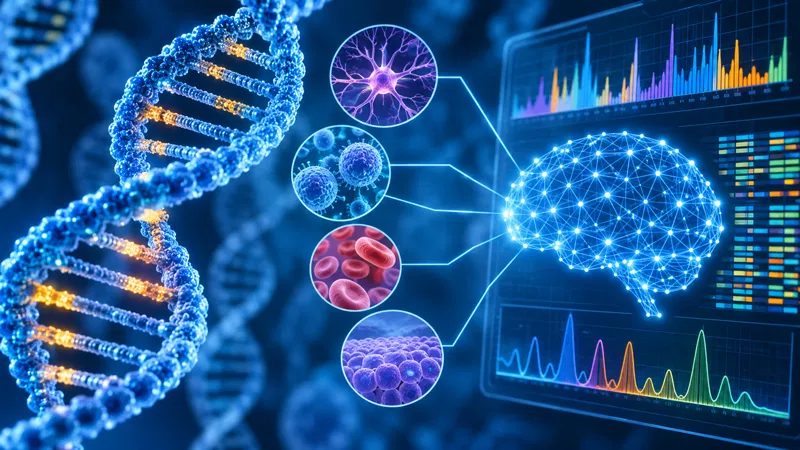
The same DNA for each person does not mean the same effect on different types of cells. The activity of genes in cells is largely individual and subject to disruptions, which can lead to genetic and other diseases. Google’s new DeepMind AI model is capable of understanding the behavior of DNA at the level of individual cells, including discovering the roots of diseases.
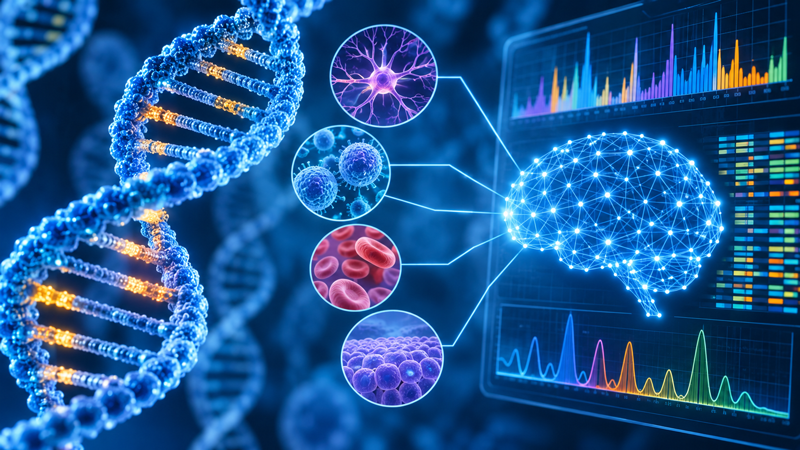
Image source: AI generation ChatGPT/3DNews
Today the company presented version of the AlphaGenome 2 model, which is an addition to, and not a replacement for, the AlphaGenome version released a year earlier. The main goal of AlphaGenome is to learn how to predict how individual sections of DNA control the functioning of genes. The genome contains not only protein-coding sequences, but also numerous regulatory regions that determine where, when, and how actively genes are turned on. Changes in such areas can affect cell function and be associated with the development of diseases.
Unlike the first version, which simultaneously analyzed multiple tissues and cell lines, AlphaGenome 2 uses additional information about the cell type to take into account the characteristics of gene function in a specific tissue or cellular environment (conditional model). The input is a DNA sequence up to one million nucleotides long and a description of the biological context: tissue, cell type or stage of its development. This allows the model to estimate how the same sequence regulates gene activity in different cells. For training, the developers used more than 107 million profiles of individual human and mouse cells, covering 68 tissue types.
The AlphaGenome 2 model predicts several features of genome activity, including gene expression. Another feature of AlphaGenome 2 is the ability to work with previously unknown cell types without additional training of the model. Researchers can download single-cell RNA sequencing data from even a few dozen cells. The model converts information about gene activity into a description of the cellular state and uses it for further predictions. DeepMind says the model effectively turns static cell atlases—huge repositories of data that map and catalog individual cells in detail—“into a predictive engine for human genetics.”
AlphaGenome 2 is already available for non-commercial scientific research via the API, with commercial use currently limited to a pre-publication period. At the same time, the developers emphasize that the new version does not replace the first: a more detailed analysis of individual cellular states requires additional computing resources, so the original AlphaGenome will continue to be a less resource-intensive tool for large-scale genome research. It is also worth recalling that these models are not yet approved for clinical studies: with mice it is possible, with humans – no, no.
If you notice an error, select it with the mouse and press CTRL+ENTER.