Japanese government-backed startup Rapidus has begun to fall behind its planned schedule to launch mass production of advanced chips by March 2028, Bloomberg reported, citing sources, noting that there is a risk of missing these deadlines.
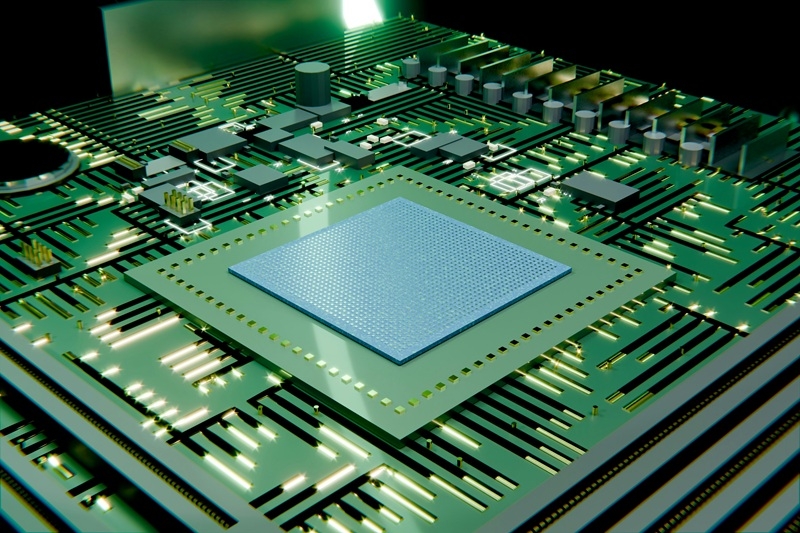
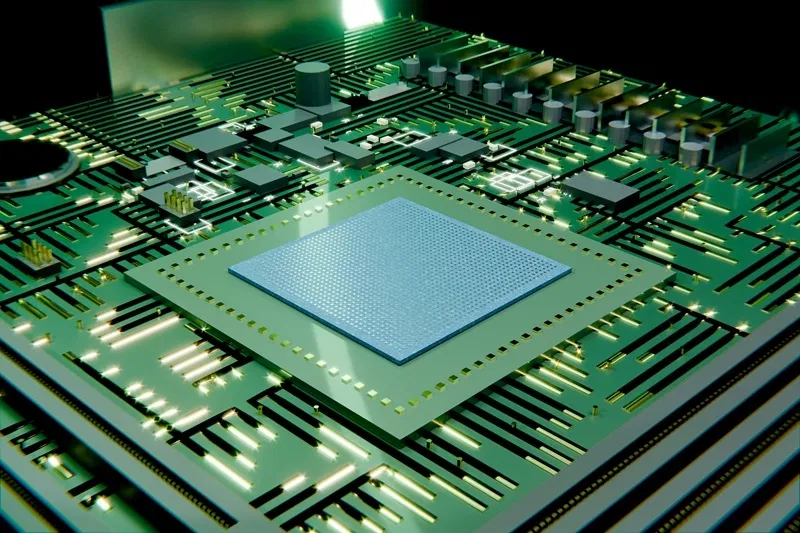
Image source: Brecht Corbeel/unsplash.com
According to sources, the startup has still not been able to launch the production of a key type of modern memory – workable static random access memory (SRAM) cells – although this stage was supposed to be completed in the summer. That is, we are already several months behind schedule. Also, according to sources, the company faced a problem related to controlling the level of dust and microparticles in clean rooms.
A significant delay could jeopardize government support for Rapidus, which has so far allocated more than 2 trillion yen ($13 billion) to the startup. Serious technological difficulties could also force the company to delay its planned public offering in 2032.
“Rapidus continues to make every effort to launch volume production in the second half of fiscal year 2027,” a Rapidus spokesperson said in an email. The company also noted that in September, a group of independent experts attracted by the government department confirmed that work on the project was progressing. Last month, Rapidus Chairman Tetsuro Higashi assured that development was on schedule, but did not go into details.
According to sources, Rapidus will continue to work on mastering the 2 nm process technology and will achieve success, albeit with a delay of several years. The company aims to compete with companies such as Taiwan Semiconductor Manufacturing Company (TSMC), as well as Intel and Samsung Electronics.
The project was originally conceived with the goal of creating a world-class semiconductor manufacturing facility from scratch to reduce Japan’s dependence on advanced chip supplies from Taiwan. Last month, Economy Minister Ryosei Akazawa said the government was willing to continue supporting Rapidus until the company became financially sustainable because advanced chips were key to Japan’s economic security. In September, the company’s independent director, Yoshimitsu Kobayashi, noted that Rapidus aims to achieve a yield of at least 80% (that is, four out of every five chips produced must be functional).
If you notice an error, select it with the mouse and press CTRL+ENTER.