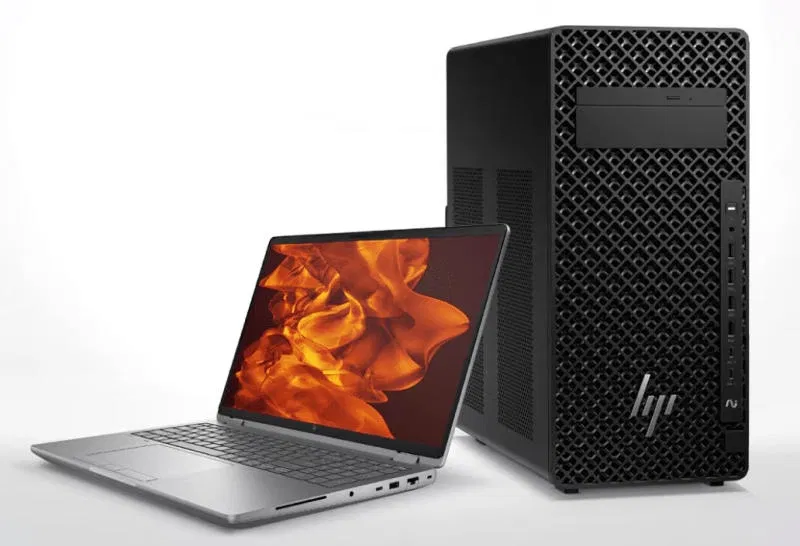
PC shipments continue to decline due to memory chip shortages, and manufacturers’ profitability is being helped by high-margin models designed to run artificial intelligence models locally. HP spoke about this using its own example.
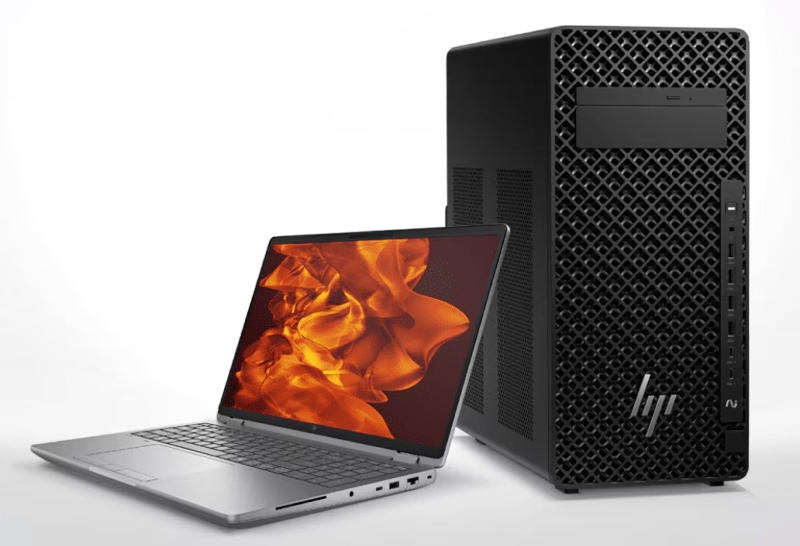
Image source: hp.com
In calendar 2027, the PC market is expected by HP, the world’s second-largest PC vendor. IDCwill decline by a “high single-digit to low double-digit percentage.” One of the reasons is the crisis in the memory chip market. The company plans to increase its market share through the segment of premium PCs with AI support. By 2030, half of corporate tasks for inference (running) AI models will be performed on end devices or peripheral nodes, says IDC analysts.
HP’s revenue for the fourth quarter of the fiscal year (ended October 31) amounted to $16 billion, which is 9.3% more than the same period a year earlier. At the end of the entire 2026 financial year, the company’s revenue grew by 9.5%, reaching $60 billion. The main driver of growth was the personal systems division, and the performance of the printer business decreased slightly. Revenue from the personal systems division grew 14%, driven by sales of commercial and high-performance devices; PCs with AI accounted for almost 60% of all HP shipments during the reporting period.
In the face of shortages, HP began purchasing small amounts of memory from China’s CXMT, and during the report stated that it does not intend to change the composition of its suppliers. The company predicts a further increase in prices for RAM and flash memory, but the rate of this growth is expected to be lower than in the completed financial year; An increase in prices for central processors is also allowed.
HP considers the past quarter to be the “low point” for the margins of the personal systems division, and in the future the indicators will increase due to optimization of product designs and component configurations.
If you notice an error, select it with the mouse and press CTRL+ENTER.