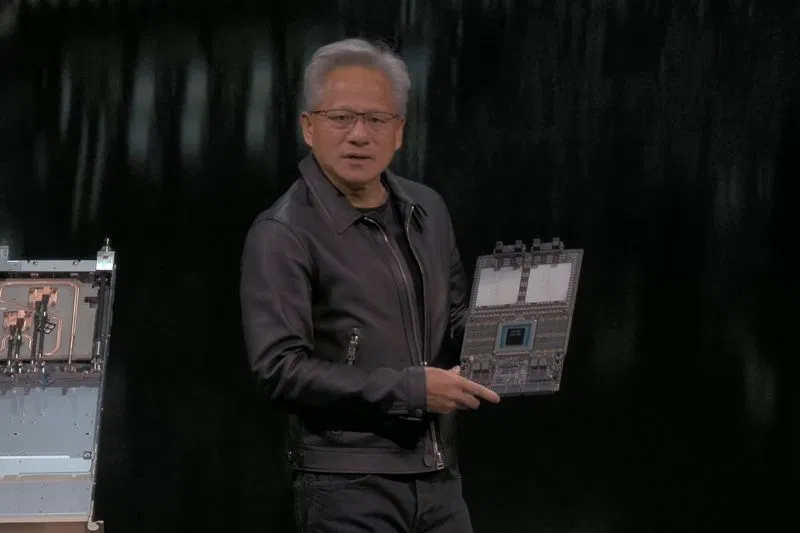
Jensen Huang’s resignation as Nvidia CEO could change the balance of power in the market. The former CEO of the company was one of the most influential supporters of open AI models and supported their development not only with public statements, but also with large investments. His departure could weaken the position of open source model developers and strengthen the influence of companies such as OpenAI and Anthropic.
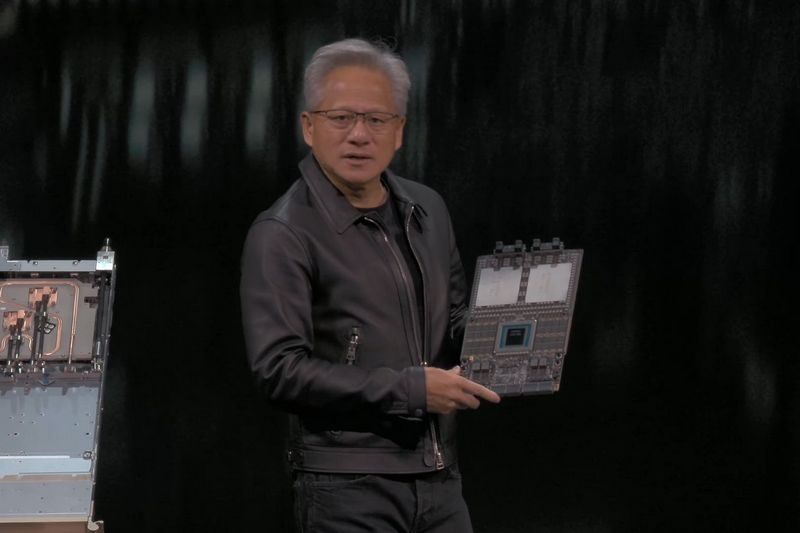
Image source: Nvidia
Supporting open models met several of Nvidia’s strategic interests. Such developments allow companies, government agencies and researchers to independently download, modify and run AI models without relying solely on the services of individual providers. But this requires computing power, such as Nvidia accelerators. Thus, the development of open models helped the manufacturer expand its customer base and reduce its dependence on a few of the largest AI developers.
At the same time, Anthropic and OpenAI themselves are interested in reducing dependence on Nvidia. Major developers of cutting-edge AI systems are investing in their own accelerators and diversifying their providers of computing resources. Therefore, Nvidia needs to diversify its customer base for its own security. As more participants train and use AI, demand for Nvidia GPUs increases.
One of the most notable projects associated with this strategy was the Nemotron line of open models. Huang personally supported its development. The models are designed for agent-based AI systems capable of performing long-running tasks as well as complex reasoning tasks. According to one Nvidia employee interviewed by TechCrunch, the change in leadership should not affect the further development of Nemotron.
Under Huang, Nvidia has also invested heavily in building an open artificial intelligence ecosystem. The company was considering investments in startup Thinking Machines Lab and AI model developer Groq, agreed on a partnership with Reflection AI, and also agreed to acquire the Hugging Face platform for $12.9 billion. It is not yet clear whether these initiatives will be implemented in the same form after the change in leadership.
Huang’s influence extended to American artificial intelligence policy. Earlier this year, he drafted an open letter that was signed by representatives of 25 companies, including Microsoft, Meta✴IBM and Palantir. The authors urged the US government not to impose undue restrictions on the distribution of open-weight models. The reason for the appeal was discussions in Washington about possible measures against Chinese AI developers who were accused of stealing the intellectual property of American companies, including Anthropic and OpenAI.
Huang’s position effectively opposed the approach of proprietary model developers, including Anthropic and OpenAI. The latter advocated for stricter controls over the proliferation of advanced AI systems, citing security concerns. Nvidia believed that excessive restrictions could slow down the development of the industry and weaken the competitiveness of American developers.
Now open-source advocates fear that Nvidia’s new CEO will be less proactive in pushing that agenda. Chief Financial Officer Colette Kress has been appointed interim CEO. It’s unclear how it will feel about the Hugging Face deal and its continued support for an open AI ecosystem. Note that when management changes, the priorities formed by the previous management of the company often fade into the background.
Huang’s resignation could also strengthen supporters of tighter restrictions on Chinese AI technology. The scandal surrounding his relationship with Alice Huang, a former executive at Singapore’s Megaspeed whom US authorities suspect of having ties to Chinese intelligence, has again drawn attention to his efforts to ease export controls on the supply of American accelerators to China.
However, Huang’s departure does not automatically mean the end of the development of open AI models. They are supported by a broad community of developers, researchers and companies, and Nvidia itself remains interested in expanding the customer base that open AI can facilitate. It is unclear whether Nvidia, under new management, will continue its previous policy regarding open models and which of the planned deals will be completed.
If you notice an error, select it with the mouse and press CTRL+ENTER.