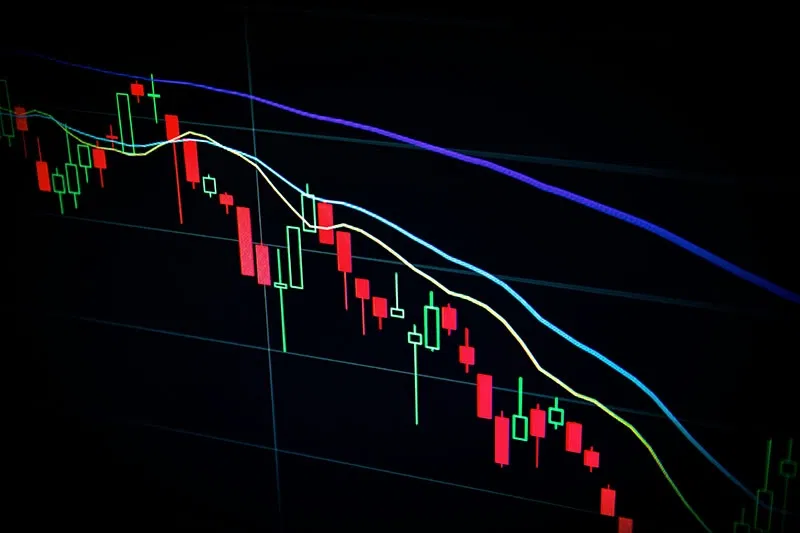
The sell-off in AI stocks seen in the stock market in recent weeks closely resembles the collapse of the dot-com bubble. This raises the question of the existence of a “bubble” in the field of AI and whether it has now burst, writes The Wall Street Journal.
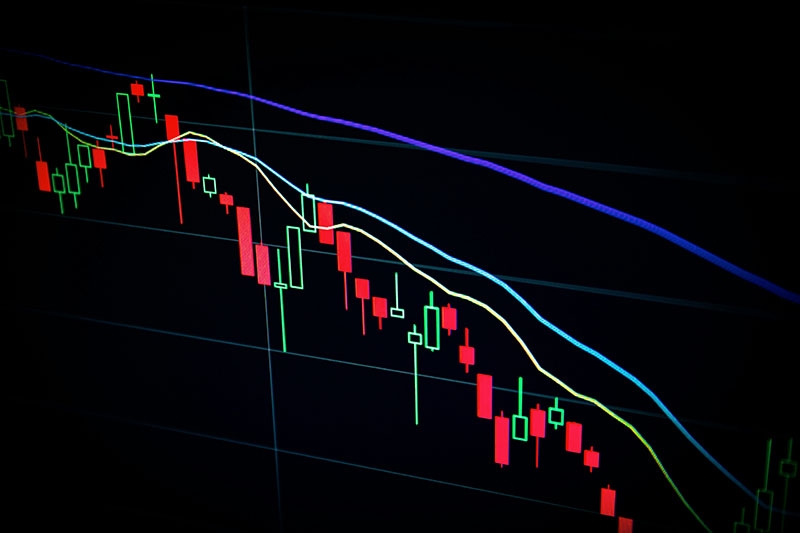
Image source: Maxim Hopman/unsplash.com
In this regard, the newspaper compared the decline rates of shares of some large technology companies of the dot-com era that still exist – from peak to end of the year – in 2000 and 2026:
Intel: -60% in 2000 vs. -64% in 2026; Oracle: -37% vs. -60%; Cisco: -52% vs. -30%; Micron: -63% vs. -53%; Qualcomm: -54% vs. -42%; Seagate Technology: – 37% versus -60% (the company went through a merger and subsequent separation into an independent structure); Nvidia: -62% vs -48%.
For some companies the decline is stronger, for others it is weaker, and for others it is identical. However, based only on these data, it is difficult to say unequivocally that in one case we are dealing with a burst “bubble”, and in the other not, The Wall Street Journal noted.
This year there is again a significant rotation of capital. For example, the healthcare sector is up 24% since late April, although the S&P 500 is still down 12% from its intraday high.
The dot-com crash then led to a recession, which hit other sectors of the economy and provoked a new wave of large-scale sales in 2001. It is now unclear whether the market will continue to fall as it did then.
While it’s a worrying sign that the market hasn’t picked up since Anthropic’s successful IPO, the overall economy appears resilient so far.
The newspaper admits that the AI “bubble” has already burst, but only if we are talking about a “mini-bubble” (or a series of local bubbles) formed around data centers and the chips used in them.
At the same time, a significant part of this “mini-bubble” has already deflated. Shares of chip maker Micron nearly quadrupled in three months and then fell by more than half. Overall, the semiconductor sector posted double growth followed by a 43% decline. Similar jumps were observed in shares of suppliers of energy and equipment for AI data centers. Bloom Energy stock, for example, has seen similarly extreme swings.
The same was recorded among small data center operators. CoreWeave’s stock more than quadrupled after its IPO last year, but has since lost ground.
Although a further decline in stock prices to the level at which they began this year would be painful, it is nothing compared to the collapse of 2001, when Cisco shares, which had already lost half their value by that time, fell in price by half again in the first three months. The company again reached the March peak of 2000 only in December last year.
But if we are talking about more than just a “mini-bubble,” then the situation looks alarming: falling stocks could force companies to curtail investment plans. This will affect suppliers, whose securities have also risen sharply in price, create problems for their creditors and lead to an even greater reduction in demand. In this scenario, expectations for ultra-high growth rates in data center spending would be revised downward, hurting both the overall economy and the companies from which investors expected significant profits. A decline in prices may also affect other sectors of the economy.
Now one thing is clear: the “mini-bubble” in the data center segment and among their suppliers has burst, and the speculative “foam” has begun to subside in other areas related to AI. It is impossible to say whether a larger “bubble” in the field of AI is now deflating, but such a scenario looks frighteningly plausible, The Wall Street Journal summed up.
If you notice an error, select it with the mouse and press CTRL+ENTER.