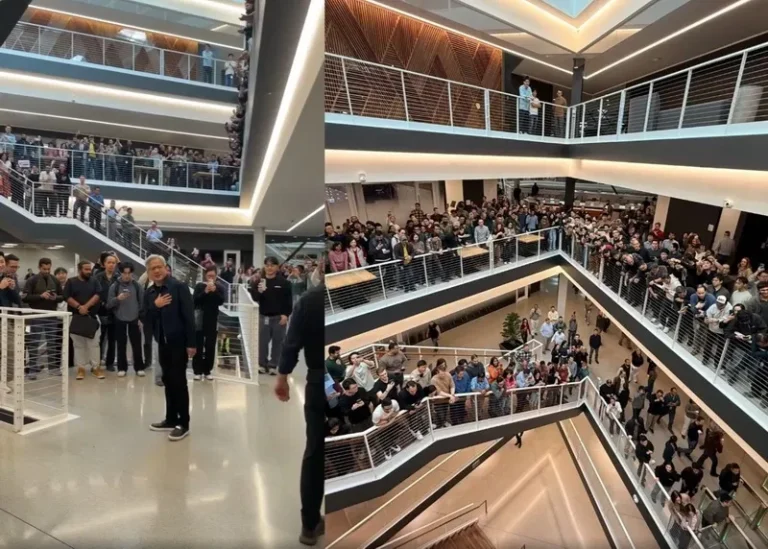
The return of Jensen Huang to the post of head of Nvidia was the result of almost two weeks of struggle within the company, which included both supporters of his resignation and opponents. The turning point was the intervention of the US President, who personally appealed to the board of directors with a call to reinstate Huang.
Source images: Mariia Shalabaieva/Unsplash
After Huang’s resignation on November 12, Nvidia’s board of directors initially did not intend to change its decision. Board Chairman Harvey Jones said during a conference call on the company’s financial results that the return of the former executive was not being considered, and the board accepted his resignation unanimously. Huang himself, however, publicly entertained the possibility of a return if the board deemed it to be in the best interests of shareholders, employees, the company and the United States.
Despite the official position of the leadership, disagreements continued within the council. According to the publication Traffic lightsthe three leaders opposed Huang’s departure and continued to push for his return. At the same time, other council members began searching for a successor. Among the candidates considered were ARM CEO Rene Haas and Marvell CEO Matt Murphy. Haas even held talks with some Nvidia directors, but feared that his appointment would be controversial amid demands for Huang’s return. Murphy’s possible transition was also hampered by another problem: Marvell was preparing a major merger with Lumentum.
That changed on Sunday when Donald Trump publicly advocated bringing back the Nvidia founder. A few hours before the board meeting, the US President also called board members to personally support Huang’s candidacy. In an interview CNBC Trump confirmed that he spoke with the board of directors and convinced them to bring Huang back. “I talked to them and I convinced them,” the president said. He also said that he spoke with Huang himself on Sunday evening. Later that night, the council met and voted unanimously to reinstate the former leader. Thus, less than two weeks after the resignation, Nvidia abandoned the search for a successor.
Chairman of the Board of Directors Jones explained the revision of the position by the fact that management considers Huang the most suitable person to manage the company. An additional argument was the assurances received from representatives of the top leadership of the US government, according to which Huang does not pose a threat to national security.
Trump clarified that Nvidia’s board of directors itself asked the American administration to provide such guarantees. According to him, US Attorney General Todd Blanche also confirmed that the authorities have no evidence of illegal actions on the part of Huang. At the same time, the president emphasized that Nvidia must continue its internal review of compliance with export control requirements.
Huang’s return had a positive impact on the company’s stock price. Following Nvidia’s announcement of its board of directors’ decision, US stock futures went up, and shares of the chipmaker itself rose almost 30% in early trading, which was the largest jump in the value of Nvidia’s shares in more than 20 years. Let us remember that his departure occurred after accusations of a romantic relationship with an alleged Chinese spy. In addition, he was credited with a relationship with one of his subordinates.
If you notice an error, select it with the mouse and press CTRL+ENTER.