
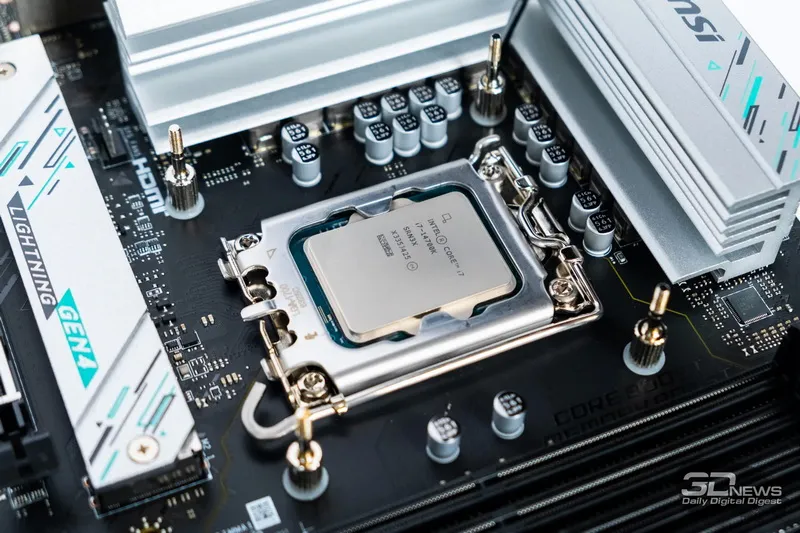
Raptor Lake processors will remain part of Intel’s lineup “for many years to come.” About this point in interview Robert Hallock, vice president and general manager of technical marketing for Intel’s Customer Group, told Tom’s Hardware.
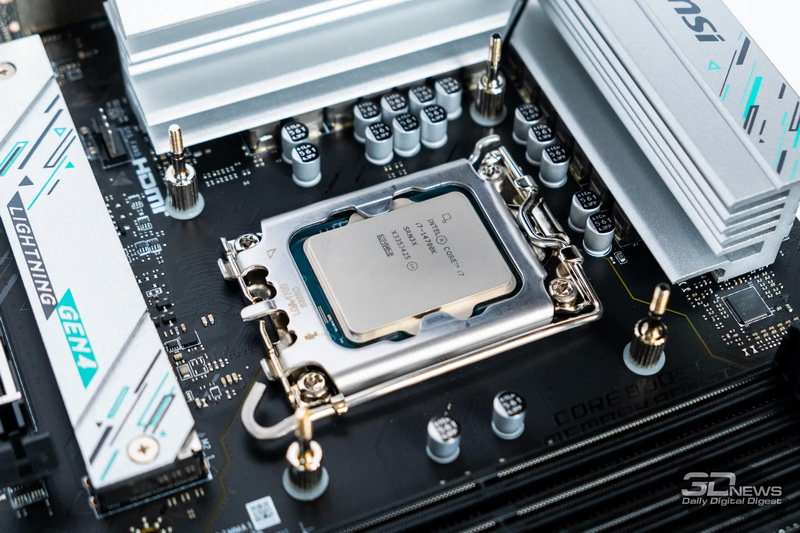
Intel has not given up on Raptor Lake plans. In addition, the company is working on “smooth” There are some imbalances in supply and price for this family of wafers. The Raptor Lake models are still among the best gaming processors, not only because the Arrow Lake processors (not the refresh versions) were less successful, but also because of the higher price of DDR5 RAM.
“Going forward, 10nm products like Raptor Lake are a critical part of our product portfolio and I hope to make these products available to people in the coming years. [Платформа] The LGA 1700 is still a good choice. A lot of people are still interested in DDR4 memory, so we will continue to offer it and over time you will see prices stabilize. Everything will return to normal. This is our plan. “Hallock said.
Raptor Lake processors have become a key part of Intel’s growth plans as a shortage in the RAM market hinders low-cost PC makers from switching to DDR5 platforms. In June, there were reports of increased production of motherboards that support DDR4, including models using the LGA 1700 processor socket (used by Raptor Lake chips). New products are already on sale. For example, just a few days ago, Gigabyte launched a new motherboard with an LGA 1700 socket and DDR4 support.
One of the key issues with the Raptor Lake platform is the lack of DDR4-capable motherboards. They served as a stopgap for 12th Gen Alder Lake processors while Intel transitioned to DDR5, and with the release of Raptor Lake and DDR5 price cuts, they were largely discontinued (and out of stock). In the context of the emerging memory shortage problem, the market situation has changed significantly.
As the DDR5 price crisis began, Raptor Lake inventories began to dwindle, partly due to increased demand (at least according to Hallock) and possibly due to the phasing out of older products. So the pricing issue for Raptor Lake processors looks complicated. For example, Core i5-14600K models sold for $200 or less for much of last year. The cost of this processor has now increased to about $250. But only if you’re lucky enough to find it on sale. According to Tom’s Hardware, select chips are only available for pre-order from major retailer Newegg, and are priced at $262 on Amazon. The same Core i7-14700K sells for $380 on Newegg and is sold out on Amazon. For much of last year, the Core i7-14700K regularly sold for less than $350.

Hallock believes the reason for this instability in stocks and prices is ‘Sudden surge in demand’ The RAM price crisis on Raptor Lake processors has triggered a crisis that Intel didn’t expect. “If people move to cheaper hardware, they still want to get the fastest price/performance, and that’s the nature of Alder Lake and Raptor Lake processors. So there’s a sudden and unexpected surge in demand for those processors. Wafer production and assembly of these processors started long before this happened. So it’s hard to predict that.”Hallock said.
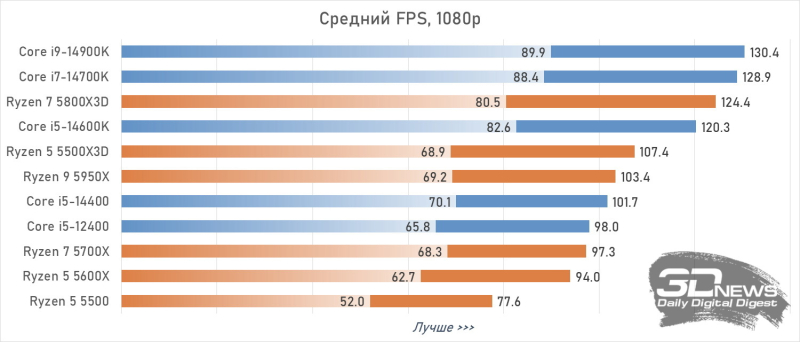
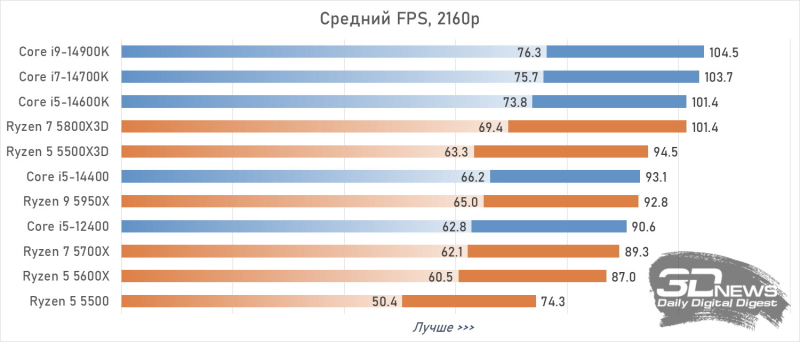
Raptor Lake processors continue to deliver very strong performance results when using DDR4 memory, as confirmed by our recent testing, which also includes the Core i7-14700K, Core i5-14600K, Core i5-12400 and AMD Ryzen 5000 models (including the Ryzen 7 5800X3D).
In a conversation with Tom’s Hardware, Hallock noted that inventory of Raptor Lake processors has increased, but he did not provide details. There have been previous rumors that Intel is preparing to release some Raptor Lake Next processors, and motherboard manufacturers have also begun preparing for this event. The chips are expected to be launched early next year. For the LGA 1700 platform, Intel also produces Bartlett Lake series chips, which only use high-performance P cores. It is true that these processors are suitable for embedded systems, not for self-assembly of PCs. However, the existence of such a range suggests that Intel is continuing to release 10nm products and will likely continue to do so for several years.
While Intel is working to increase Raptor Lake supply (either through increasing inventory or preparing for Raptor Lake Next), it won’t be at the expense of next-generation Nova Lake processors. Hallock noted that Intel, like the industry as a whole, is considering separating its consumer and enthusiast products due to pricing pressure in other segments.
If you find an error, select it with your mouse and press CTRL+ENTER.