
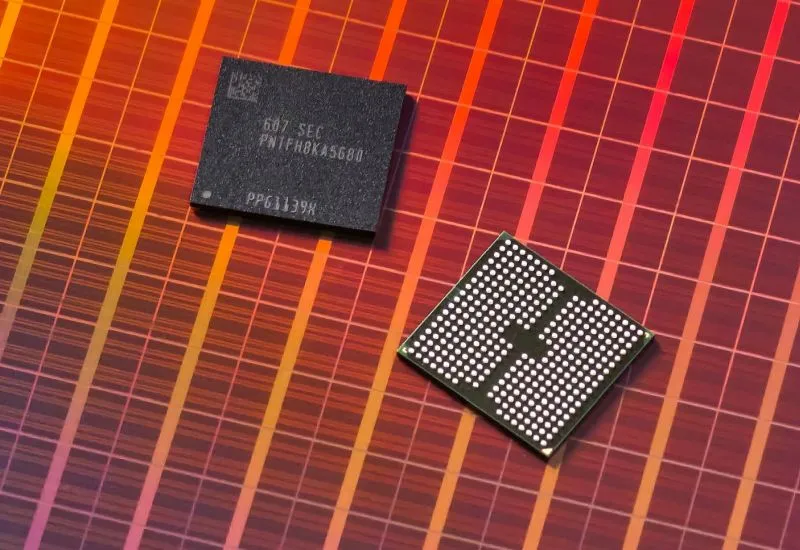
Samsung Electronics has been developing a base in Yongin, South Korea for several years, building a campus there that combines small production facilities and a research center. It is understood Lingdian.comthe second phase of the park may repurpose it as a contract manufacturing base for the 2nm base crystals Nvidia needs for its next-generation HBM memory stacks.
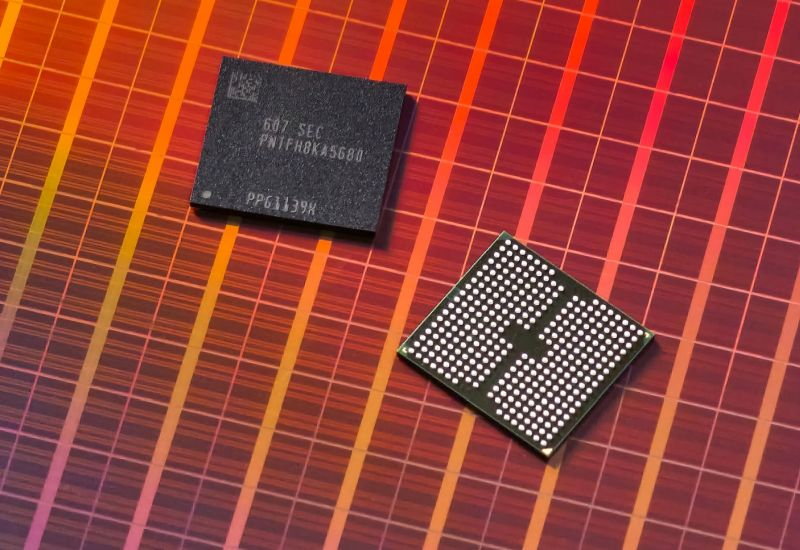
Image source: Samsung Electronics
As you know, even with the transition to HBM4, the underlying crystals in the memory stack will start to become more and more adapted to specific customer needs, and if SK Hynix is forced to rely on TSMC services, then Samsung is ready to produce them independently. The second phase of the NRD-K Park in Yongin City shifts from research tasks to mass production of customized 2-nanometer wafers for next-generation HBM memory. Suppose we are talking about HBM5 type memory, which Samsung also plans to supply to Nvidia.
The new Yongin Park production line is planned to be launched in the second half of 2028. Due to its small size, it is not possible to carry out a complete silicon wafer processing cycle at the facility, but some specific stages of the technology process will be implemented here. The company intends to use 2nm technology and gate ambient transistor (GAA) structure to produce the basic crystal of HBM5. In addition, this will allow HBM5 memory itself to achieve more than 50% performance advantage over HBM4E.
The decision to repurpose NRD-K Phase 2 remains preliminary, as Samsung may find other uses for the site within the remaining two years given rapidly changing market conditions. Samsung plans to launch a total of three production lines in Yongin in 2030, one of which has been completed by the end of 2024. Preparations for the construction of the second production line began this year and the company is currently defining its purpose. The total cost of campus construction will reach $14 billion.
If you find an error, select it with your mouse and press CTRL+ENTER.