


All 170 Tesla robotaxis in Austin have been tracked by a crowdsourced service over the past two weeks Robo Taxi Trackerpassed without the presence of a company representative. These trips are carried out by 54 vehicles. The number of self-driving robotaxis has increased dramatically elsewhere, particularly in Dallas and Houston, where about 30 self-driving Teslas were reported in the past week.
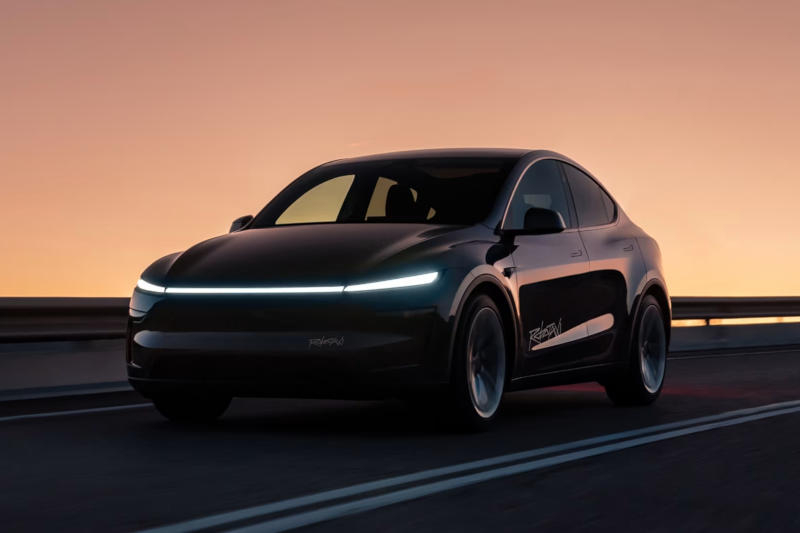
Image source: tesla.com
That’s a significant increase from early in the summer, when Tesla’s fully self-driving fleet appeared to be stagnant or even shrinking. Last week, Robotaxi Tracker had 28 vehicles on display in just six cities in Texas and Florida, and now Austin alone has nearly twice as many. These results can be explained by new counting methods. Recently, the site’s creator, Ethan McKanna, was interning at Tesla Robotaxi and noticed that some of the metrics on his site were lagging. He started thinking about other sources of information: data from app users, as well as other information from users and open source. The website is currently being updated to include new information. This trend was confirmed by social media users.
There’s no official way to track the makeup of Tesla’s robotaxi fleet — the company itself doesn’t release this information and doesn’t respond to media requests. Cybercab, a model designed specifically for Robotaxi services, will be released at the end of the month; this function is currently performed by Model Y vehicles. Internet taxis have no traditional controls – neither a steering wheel nor pedals. Tesla CEO Musk promised in his latest earnings report to develop a robotaxi project “very very fast”but no specific indicators were provided. So far, Tesla is inferior to Waymo, which operates more than 300 vehicles in Austin and more than 4,000 vehicles in 10 other cities.
If you find an error, select it with your mouse and press CTRL+ENTER.