At the 2026 World Robot Conference (WRC) in Beijing, Chinese company RealMan Robotics demonstrated robots performing tasks such as handling medicines, inspecting electrical panels, preparing food and setting equipment remotely. RealMan’s GLN (Global Link Network) control system allows robots to be controlled remotely with millisecond latency and collect data from the actual production process.


Image source: Real Robot
RealMan Robotics’ mission is to move humanoid and robotic systems beyond controlled demonstrations into actual, continuous deployment. The company plans to deploy approximately 1,000 RealBOT robots in 2026 and further use the research results to improve the robot’s ability to perform tasks in various environments.

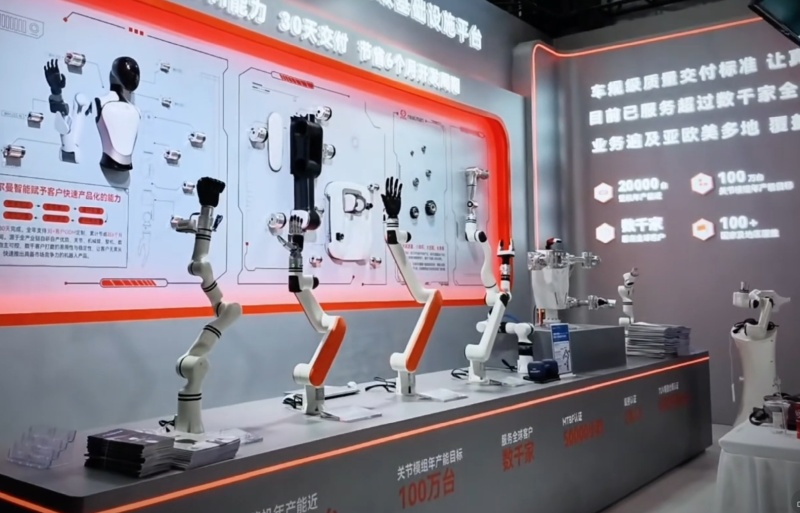
According to RealMan Robotics, the program underscores a broader shift in robotics: from developing functional machines in the lab to creating systems that can reliably perform useful jobs in homes, factories, pharmacies, and other real-world settings. The company demonstrated how RealBOT robots work under real-world conditions: searching for and refilling medications in smart pharmacies, conducting inspections at distribution centers, cooking alongside human chefs, and working at the company’s factory in Changzhou.

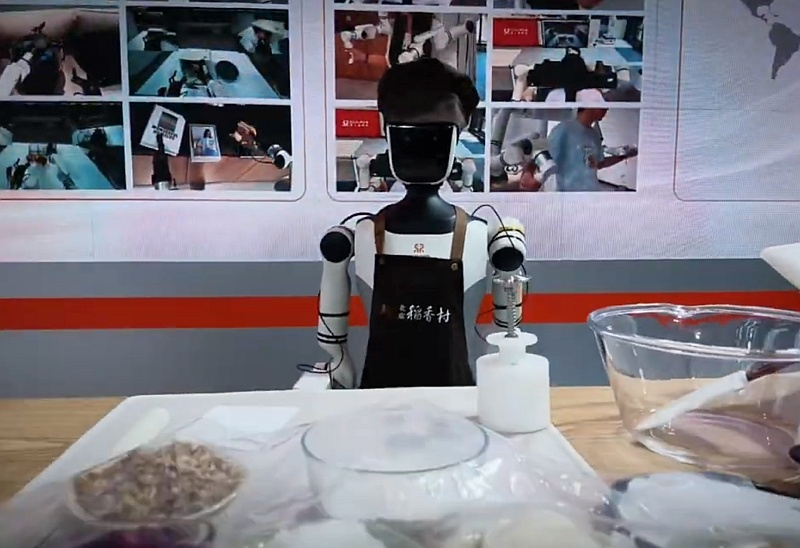
The key technology behind the program is RealMan Robotics’ GLN remote control network. The system allows a human operator to control the robot remotely, and the company claims it can achieve millisecond latency even from thousands of kilometers away. This allows specialized human skills to be transferred remotely through robotic systems, potentially creating new models of a decentralized robotic workforce.

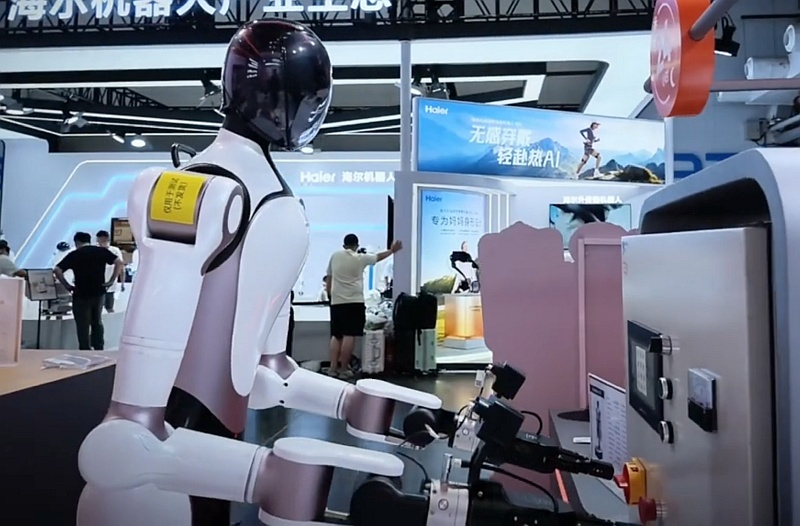
More importantly, remote control generates real-world interaction data. Each task provides information about perception, operation and decision-making in the physical environment, helping to create feedback through which the robot can improve its ability to cope with different tasks and environments.
Reliability is another important component of large-scale implementation. The human robot obtained CR L3 certification from Shanghai Robotics Research Institute at WRC 2026. According to the company, its lightweight humanoid robot system has achieved a mean time to failure (MTBF) of 50,000 hours, providing a foundation for long-term commercial operations.

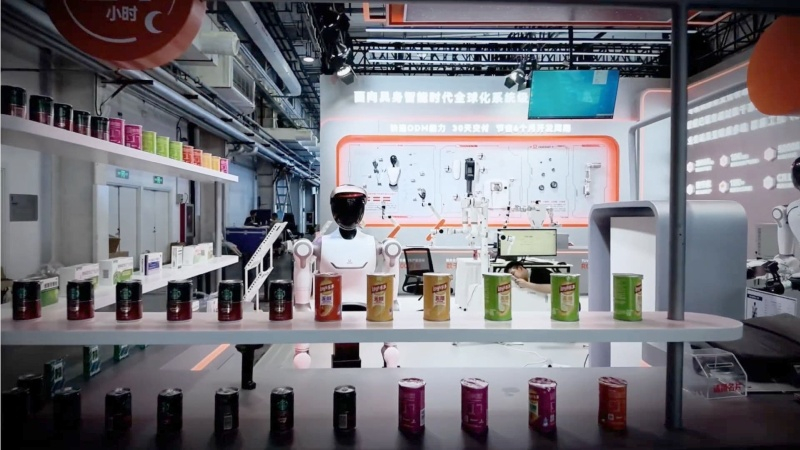
The company is also advancing the development of robotic sensing technology through cooperation with tactile sensor expert PaXini. Such technology could improve robots’ perception during contact and help them process commands more accurately. In industrial applications, this helps reduce collisions, improve build quality and minimize failures, and makes human-machine interaction safer.
The RealMan Robotics initiative reflects an increasingly important direction in robotics: combining reliable hardware, advanced sensors, remote human control and real-world data to create machines that can consistently perform useful work rather than simply demonstrate individual capabilities.
If you find an error, select it with your mouse and press CTRL+ENTER.