

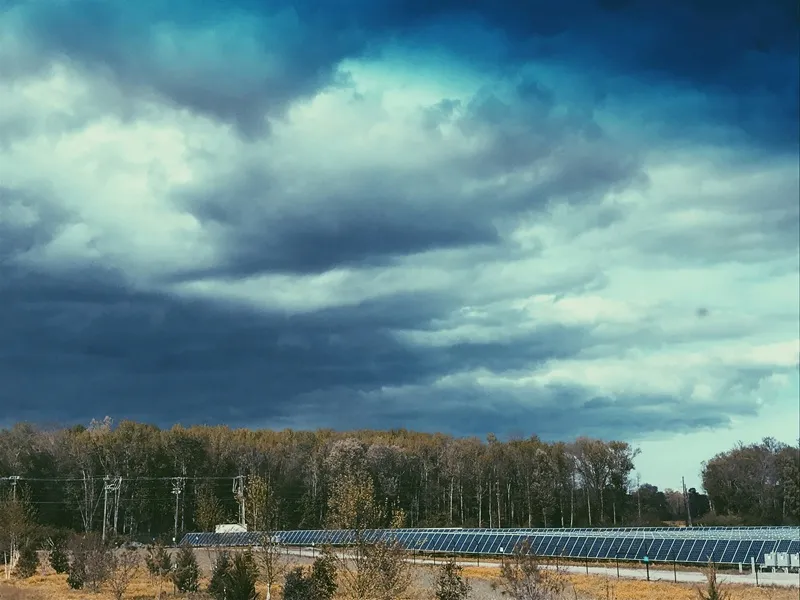
Meteoric, a startup founded by two engineers from the University of Cambridge, plans to use drones to disperse clouds at low to mid-altitudes near solar power plants to maintain optimal power generation conditions.
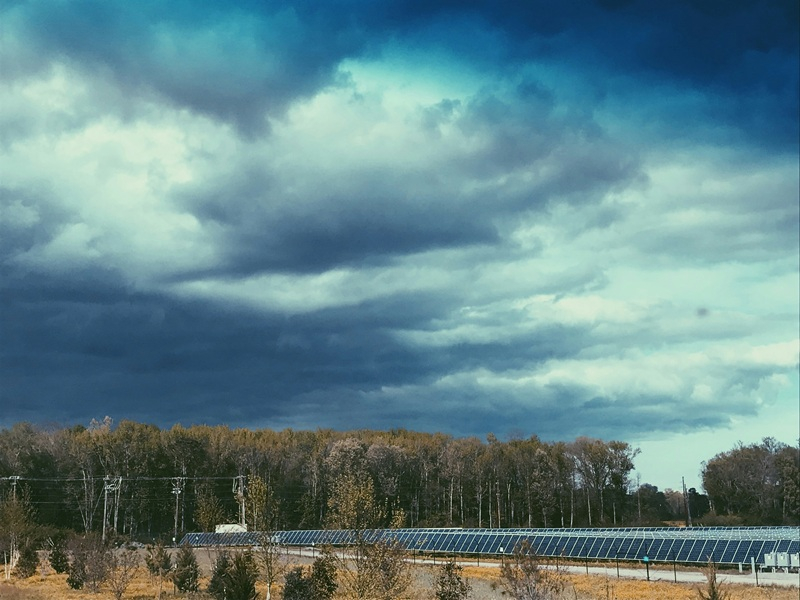
Photo credit: Zoe Goodwin/unsplash.com
Meteoric CEO Mete Karslioglu said the drones would mechanically change the shape of water droplets in clouds accumulating above solar plants without the use of chemicals, reducing their reflectivity and thereby increasing the amount of sunlight hitting the panels. Karslioglu noted that the accumulation of cloud cover at low to mid-elevations (1-5 kilometers) reduces the amount of sunlight reaching the panels by 73-82%. “We’re going to make up for that without building new infrastructure,” – Karlslioglu promised.
“Our cloud light loss model shows that this process could increase annual power generation from existing facilities in major regions of the U.S. grid by 10-30%, equivalent to approximately $5,000-$28,000 per megawatt, without the need to build any new infrastructure.” – The head of Meteoric added: “Our ultimate goal is to reduce the intensity of severe storms and hurricanes.”
It’s unclear how Meteoric plans to disperse the clouds. The company claims that the working prototype it developed dispersed artificial clouds by 13% in cloud room tests.
Current methods of using chemicals to disperse clouds or using helicopters to mix moisture-rich air in clouds with dry air to evaporate the water vapor are expensive, Meteoric said. The operating cost of an aircraft is $2,000 or more per hour, and the cost of using a drone is $30 to $60 per hour, which will significantly reduce the cost of its service.
Other companies are also looking for ways to make solar power plants more efficient and reduce their dependence on weather conditions. For example, Reflect Orbital proposes to launch orbiting mirrors to reflect sunlight to extend the daylight hours in solar power plant areas, while Meta proposes to launch orbital mirrors to reflect sunlight to extend daylight hours in solar power plant areas.✴ The plan is to use satellites in geosynchronous orbit to collect solar energy and then send it to collectors on Earth.
If you find an error, select it with your mouse and press CTRL+ENTER.