
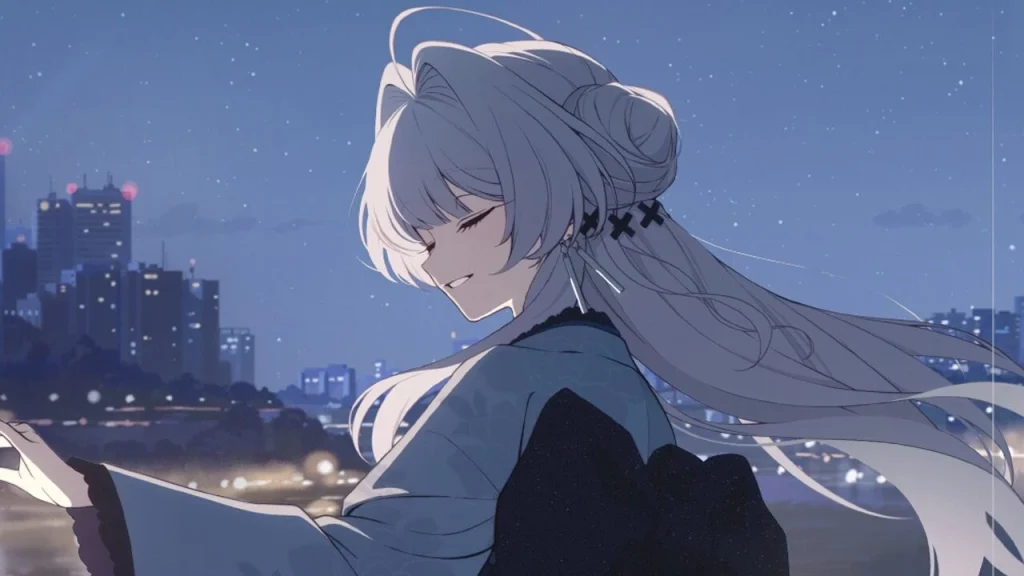


Astrae Oratio is an upcoming Korean role-playing game developed by Dynamis One and published by NC (NCSoft). The game takes place in the fictional Tokyo. “Astra Oradio” uses the concept of “magic and bureaucracy” to position itself as an urban fantasy work.
At this year’s Comiket, AUTOMATON had the opportunity to learn more about the game’s various Japanese influences as well as the urban fantasy genre from Astrae Oratio art director Kim In (aka hwansang), formerly of Blue Archive.
Kim counts the 1982 fantasy horror novel Shinjuku Castlevania by Hideyuki Kikuchi as one of his most important, albeit less “obscure,” sources of inspiration from Japan. Anime fans may be more familiar with the OVA of the same name released in 1988. Other literary influences include Kohei Kadono’s Boogiepop series and Shakugan no Shana.
“We are developing a project based on the concept of magic in urban environments – urban fantasy, and we are heavily influenced by the works of TYPE MOON. It is almost impossible to talk about this without mentioning the foundation of the genre they have laid over the years. I also believe that modern games like the Persona series have elements of urban fantasy. The decision to use urban fantasy as a theme that depicts mythology and the supernatural through a modern lens resulted in Astrae Oratio’s unique setting and time period.
Although it’s a modern RPG, Astrae Oratio’s anachronistic world and art style are meant to evoke a nostalgic feeling, taking inspiration from the visual art and animation of the ’90s and early 2000s. King said he wanted to use expressions from the past that were “great but rarely used in contemporary work.” As an example, he cites Hiwagishiakari’s character design, whose hairstyle features the classic “fuzzy anime girl locks” that were almost integral to the design of otaku culture in the ’90s and 2000s.


In addition to myself, there are many people on the development team who were influenced by works from the early and mid-Heisei period (1989-2019). Everyone involved wanted to incorporate their favorite things from childhood into the game.