
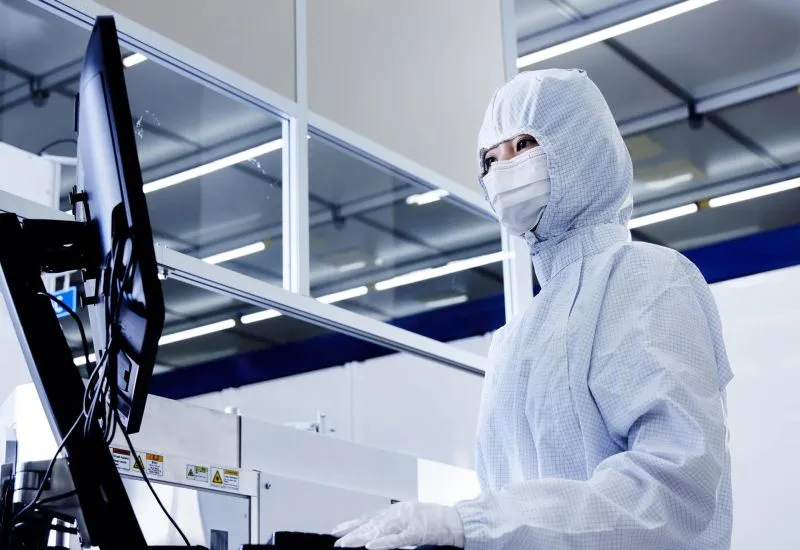
The catalysts for the creative process are often strong emotions, and if they have a negative connotation, the work will be produced accordingly. as explained Nikkei Asian ReviewLast month, a melancholic ballad emerged on YouTube about how not all Samsung Electronics employees were getting enough bonuses during the artificial intelligence boom.
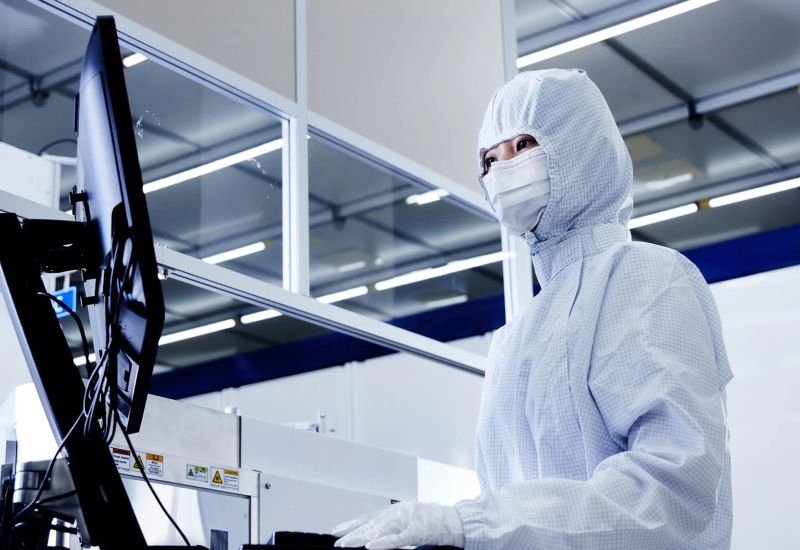
Image source: Samsung Electronics
Let’s recall that at the beginning of the summer, Samsung Electronics’ largest workers’ professional association used the threat of a mass strike to extract special bonus conditions for employees in memory chip production. As a result of insisting on redistributing a large portion of operating profits to employees, employees in the semiconductor division now receive bonuses of more than $400,000 each based on the year’s performance. Granted, much of the amount will be issued in the form of Samsung stock that cannot be sold immediately, but the future earnings of these employees will still be the envy of colleagues who did not receive such bonuses during the artificial intelligence boom.
“Nikkei Asian Review” resources emphasized that this fiscal year, the annual bonus difference between Samsung employees engaged in memory and smartphone production will be two orders of magnitude. In other words, the former will receive 100 times more bonuses than the latter. Driven by the AI craze, Samsung’s semiconductor unit’s operating profit soared 200 times in the second quarter.
The song, titled “We Deserve It,” is four and a half minutes long and is dedicated to the author who posted it on YouTube “Samsung employees who were treated unfairly by their employers simply because they were not part of the semiconductor division”. The melancholy ballad contains these lyrics: “Mom, I develop home appliances, not semiconductors.”. The work has been listened to more than 60,000 times and received many positive reviews.
As union representatives pointed out, the hundreds-fold gap in bonus payments has demoralized employees in Samsung units not related to memory production. In two months, the professional association’s membership has grown from two to 30,000 as company employees decided to fight more aggressively for their rights after being stripped of exorbitant bonuses. In the second quarter, Samsung’s semiconductor business’s operating profit increased 223 times year-on-year. The company plans to use these funds not only to pay bonuses to many employees, but also to distribute dividends to shareholders. In the latter case, the plan is to return a total of approximately $72 billion to investors. Of course, this type of optional payment isn’t suitable for everyone within the company.
Let’s remember that Samsung’s smartphone division posted its first operating loss last quarter – ironically, it was the sharp rise in memory prices that drove profits at the company’s semiconductor division. In the process of development, Samsung Electronics has historically made up for losses in one direction at the expense of profits in another direction. In fact, the company has been producing televisions and home appliances since the 1960s and 1970s, and did not start producing semiconductor components until the 1980s. At certain times, it invested all profits from other areas into its semiconductor business. Likewise, when the latter suffered from depressed memory prices in 2023, its losses were offset by smartphone sales revenue. Samsung employees are angry that while divisions are changing in terms of revenue dynamics, rank-and-file employees at the company are getting nothing from the AI boom. Current chairman Lee Jae-yong called for team unity on the eve of the strike in May, but that did little to boost employee morale given the uneven distribution of bonuses that followed.
If you find an error, select it with your mouse and press CTRL+ENTER.