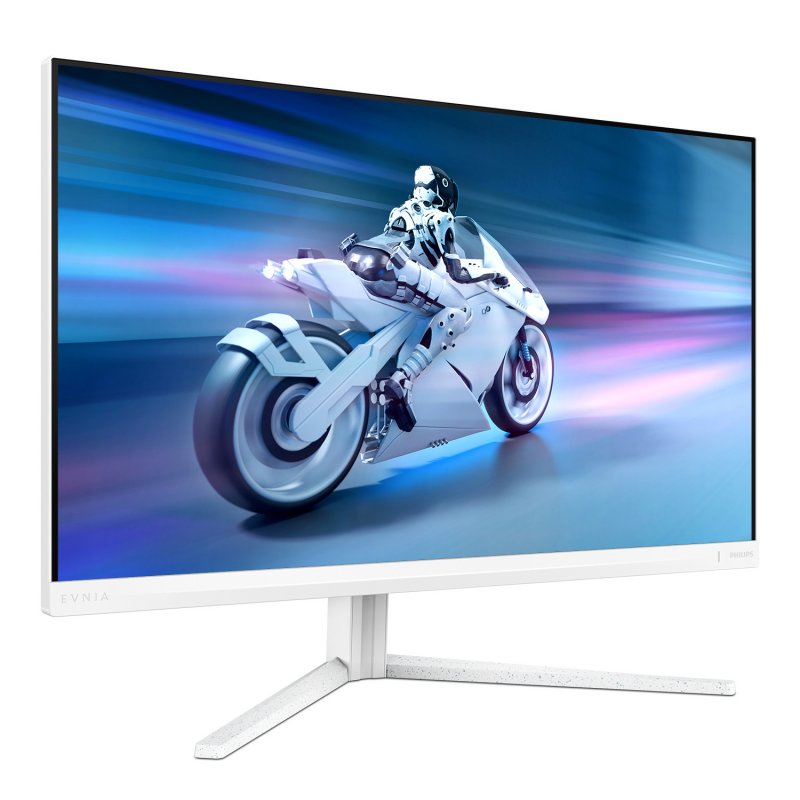


Philips is bringing various models from the Evnia range to Cologne, from high refresh rate QD-OLED to large ultrawide displays: here are the models we found on the stand.
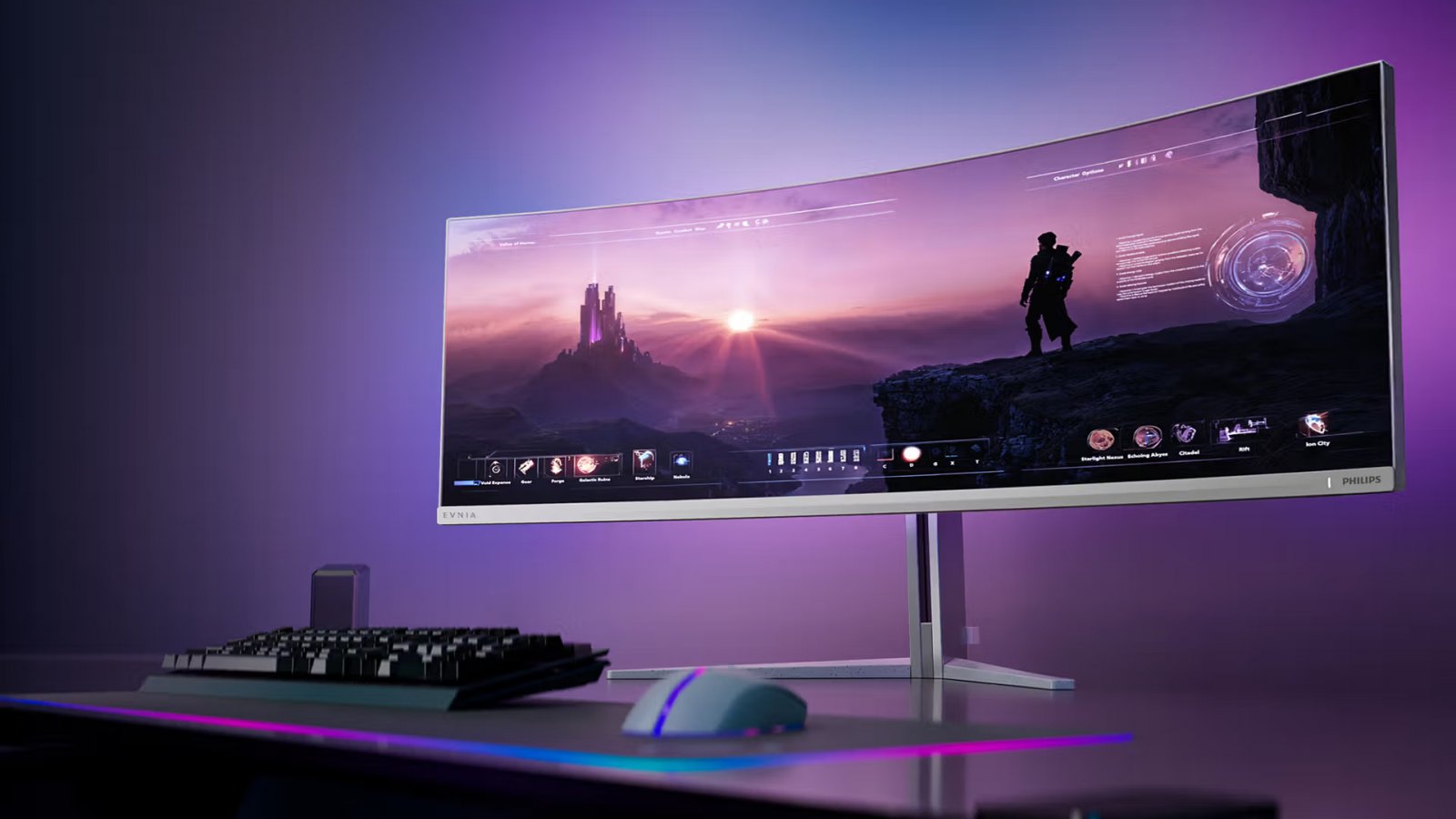
Philips is back at Gamescom again this year with the Evnia, bringing with it quite a selection of monitors to round out its current gaming catalogue. In fact, several of the models displayed at the Philips booth are already on the market and available for the public to view and try out directly in Cologne.
The selection covers almost all major variants of the series: There are 27-inch and 32-inch QD-OLED models, with very high refresh rates for users who mainly play competitive games, as well as 34-inch ultra-widescreen, and even a 49-inch large screen in 32:9 format. Let’s take a look at the details of these monitors.
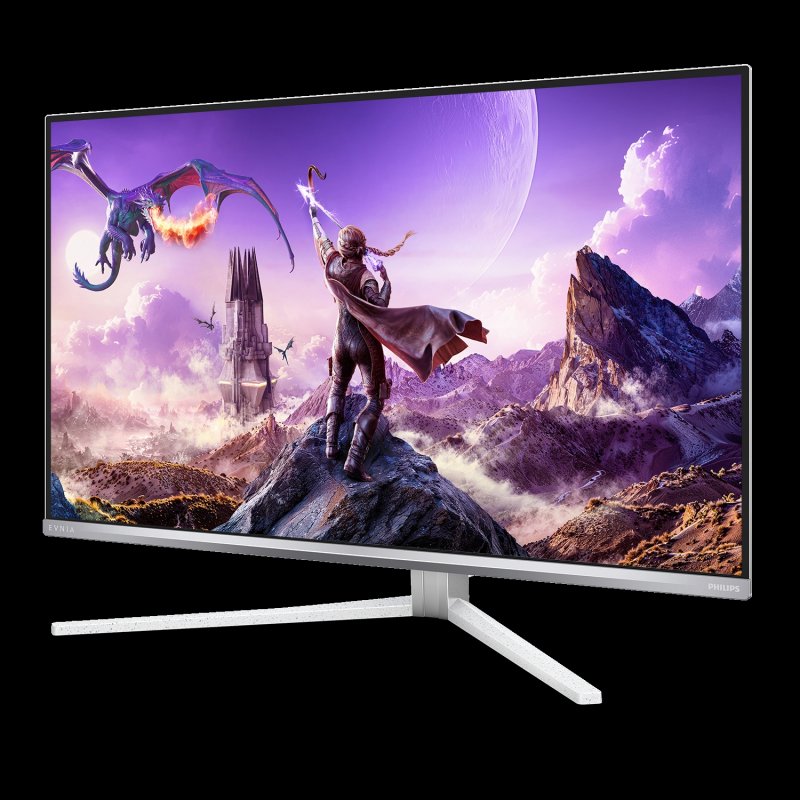
Philips Evnia 32M2N8900P with QD-OLED 4K (240Hz)
If you are looking for great resolution but at the same time speed, the 32M2N8900P is the right model: It’s designed first and foremost for high-end configurations, capable of taking advantage of 4K even at high frame rates, but it’s still fun for anyone using the same monitor to play, work, and consume content.
This panel is a 31.5-inch QD-OLED with a resolution of 3840 x 2160 pixels, a refresh rate of up to 240 Hz, and supports NVIDIA G-SYNC compatibility. It’s certified DisplayHDR True Black 500, while 10-bit color depth allows for more progressive tone management. Ambiglow, MultiView, integrated KVM and DTS Sound round out the package; Philips has also included a graphene shroud to help dissipate the heat generated by the panel.
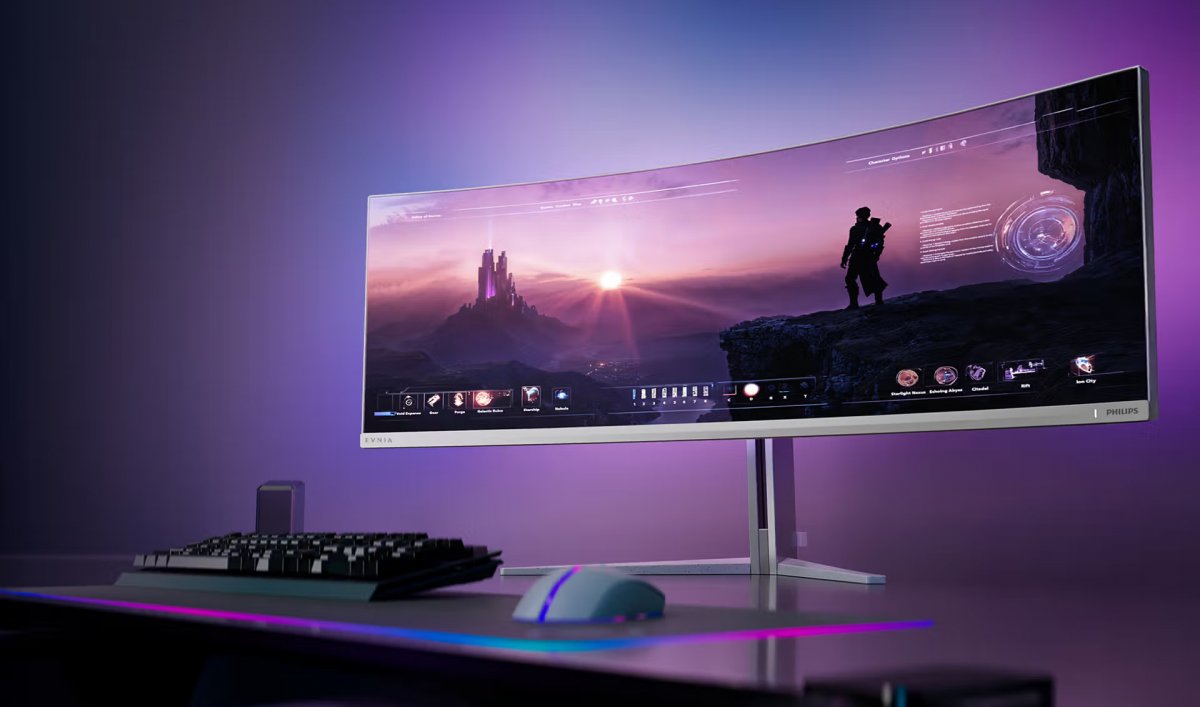
Philips Evnia 49M2C8900, 49-inch ultra-wide
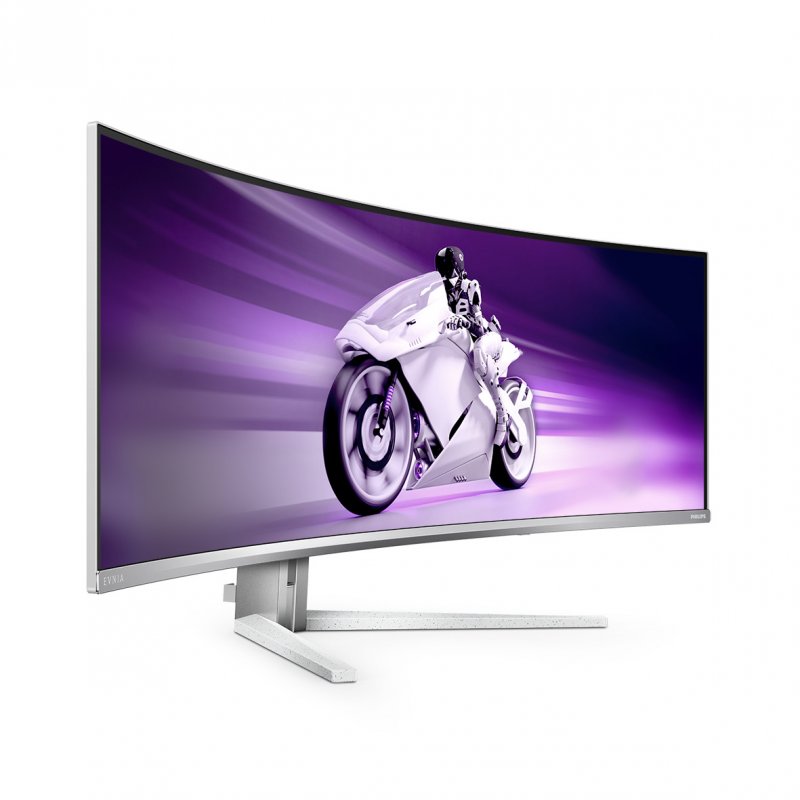
The target here is very different: the 49M2C8900 is Designed for those who want to replace a dual monitor setup with a single monitorhuge screen. The 32:9 format makes it particularly suitable for simulators, driving games, and all those games that manage to really take advantage of such a large surface.
The display uses a 48.9-inch curved QD-OLED with a resolution of 5120 x 1440 pixels, so it is dual QHD and has a refresh rate of up to 240 Hz. It supports AMD FreeSync Premium Pro and NVIDIA G-SYNC, and the HDR certification is DisplayHDR True Black 400. The audio is not to be underestimated either: the monitor integrates four 7.5 W speakers, totaling 30 W, with DTS Sound. Ambiglow and VESA ClearMR certifications are also available.
Philips Evnia 34M2C8600P, ultrawide QD-OLED da 280 Hz
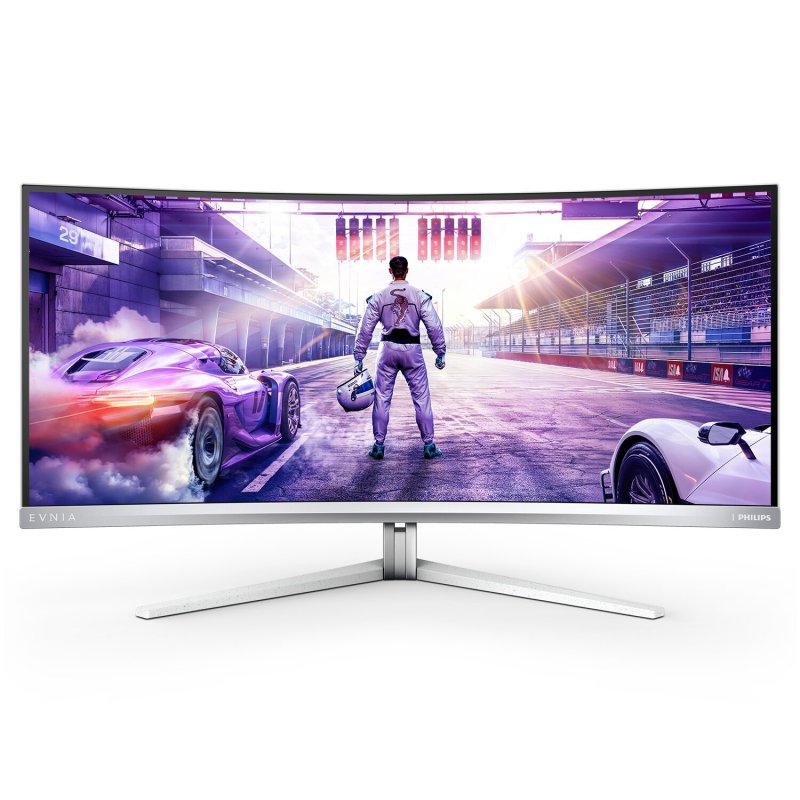
34M2C8600P may be This is the most natural compromise for those who want to switch to ultra-wide angle but don’t want to go to the 49-inch size. The 21:9 format offers more lateral space than a traditional monitor, yet is easily manageable even on a regular desk, making it perfect for gaming and everyday use.
The panel is a 34-inch QD-OLED with a resolution of 3440 x 1440 pixels, a refresh rate of 280 Hz, and a color depth of 10 bits. There is also DisplayHDR True Black 500 certification, MultiView and integrated KVM, which can use both stereo speakers and Ambiglow signal sources. Philips has also included a graphene shield here specifically for panel thermal management, as well as LowBlue and flicker-free modes.
Philips Evnia 27M2N8500, 360 Hz QHD, suitable for competitive gaming
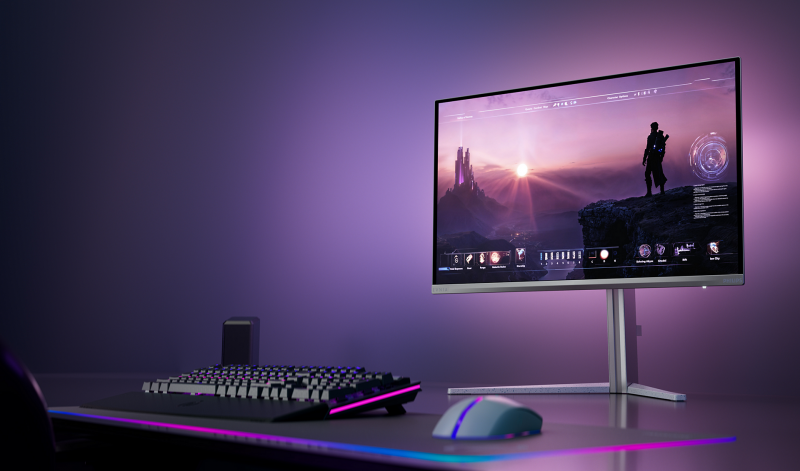
On the other hand, the goal of the 27M2N8500 is more clear Dedicated to those who put speed first: This is a format that’s particularly well-suited to FPS and competitive gaming, where 27 inches gives you easy control over the entire gaming area, and the very high refresh rate really makes a difference.
The screen uses a 26.5-inch QD-OLED with a resolution of 2560 x 1440 pixels and a refresh rate of up to 360 Hz. Featuring AMD FreeSync Premium Pro and NVIDIA G-SYNC compatibility, as well as DisplayHDR True Black 400 certification and 10-bit color depth. Among the features dedicated to gaming we find Smart Crosshair and Smart Image Mode, while Ambiglow and Dynamic Lighting manage the lighting-related parts.
Philips Evnia 32M2N6901A, the most balanced 4K QD-OLED
32M2N6901A most meaningful Ideal for those looking for a large 4K monitor but not necessarily looking for 240 or 360 Hz frequencies. 165 Hz is still more than enough for most games, and this model is also interesting for configurations more focused on image quality.
We’re talking about a 31.5-inch QD-OLED with a 3840 x 2160 pixel resolution and a 165 Hz refresh rate, DisplayHDR True Black 400 certified. USB-C, MultiView and integrated KVM are available, along with stereo speakers, DTS Sound and Ambiglow. The graphene shield also disperses the heat generated by the panel and limits its buildup over extended periods of use.
Philips Evnia 27M2N6501L, QD-OLED and 240 Hz, 27-inch format
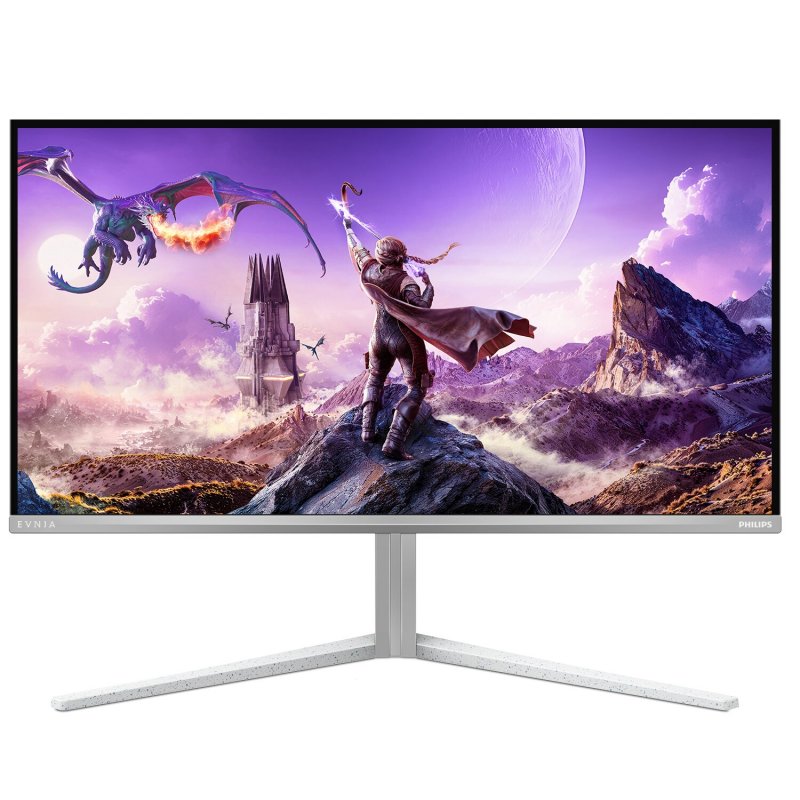
The 27M2N6501L occupies a middle position in the range: it doesn’t reach the 360 Hz of more advanced models, but retains the QD-OLED panel and a frequency high enough to appeal to those who play competitive games. it can be a A more horizontal solution for those who want fast 27-inch QHDwithout giving up the advantages of OLED in the most exciting games.
The 26.5-inch panel has a working resolution of 2560 x 1440 pixels and 240 Hz, and supports AMD FreeSync Premium and 10-bit color depth. The equipment also includes Ambiglow, MultiView and Evnia Precision Centre. In terms of gameplay features we find Stark ShadowBoost (designed to make dark areas more readable), Smart Crosshair and Smart Sniper.
Philips Evnia 27M2N5901A, dual mode switching from 4K to 320 Hz
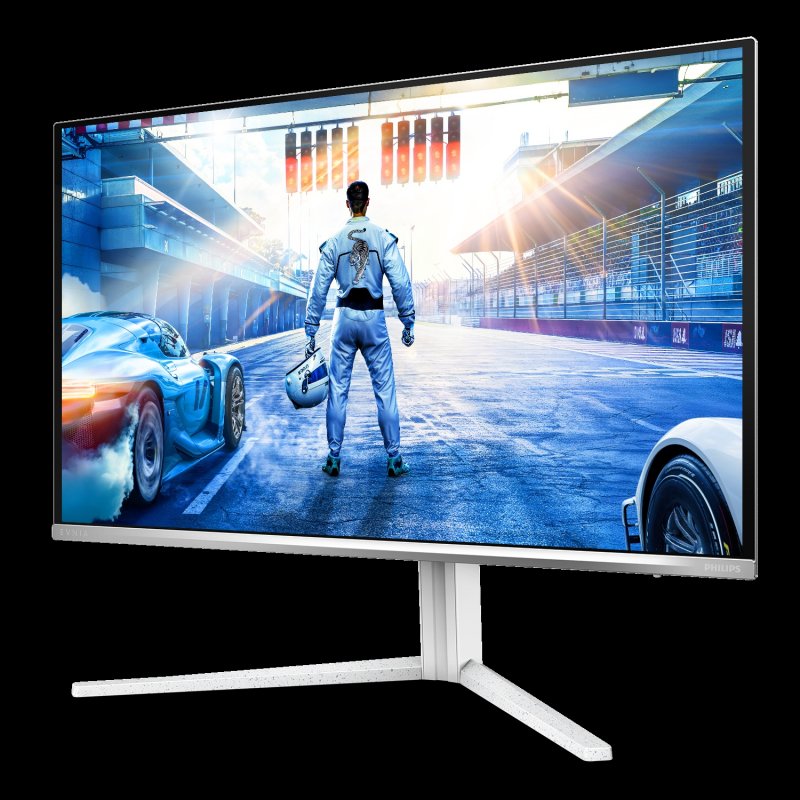
We end this monitor review with the 27M2N5901A, which is probably the most special model of the group because Trying to satisfy two difficult-to-coordinate needs in the same display. On the one hand, there are people who want to play 4K games at a good refresh rate, and on the other hand, there are people who prefer to lower the resolution in order to squeeze out as many frames as possible in competitive gaming.
For this it uses a 27-inch fast IPS with dual modes: it can run at 3840 x 2160 pixels and 160 Hz, or it can be switched to 1920 x 1080 pixels and 320 Hz. Smart MBR has a claimed response time of 0.5 milliseconds and comes with AMD FreeSync Premium, DisplayHDR 400, USB-C, MultiView and Ambiglow. The software part also includes Smart Crosshair, Smart Sniper and Stark ShadowBoost.