

The price of acquiring artificial intelligence is falling, but the cost of creating it is in no hurry to decrease. Analysts note that the Silicon Data LLM token price index continues to fall: Artificial Intelligence as a Service is actually getting cheaper. At the same time, the semiconductor market has entered a period of structural scarcity, which will lead to high computing resource costs.

Image source: unsplash.com
Lowering prices is a proven way for new technologies to conquer the world. In an ideal world, each generation of AI chips should reduce the cost of token production much faster than the price of each token for end consumers. The problems begin when the sales price of artificial intelligence drops faster than the cost of creating it.
This is the threat that is emerging now. Nvidia customers expect AI server prices to rise more than 15% next year. company itself predict In fiscal year 2028, which starts in January 2027, revenue will grow by about 70%. Samsung has increased contract prices for advanced chip production by 15% and reserved up to 70% of its memory production capacity in the coming years. SK Hynix expects the memory shortage to worsen in 2027.

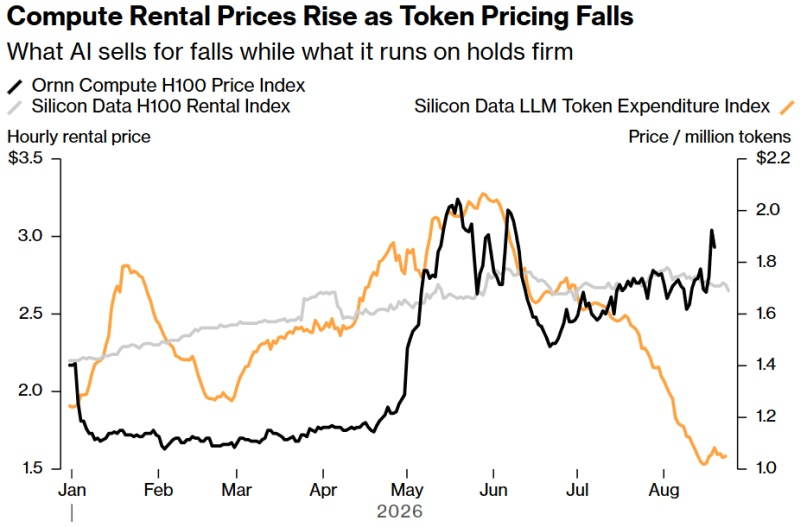
Image source: Bloomberg
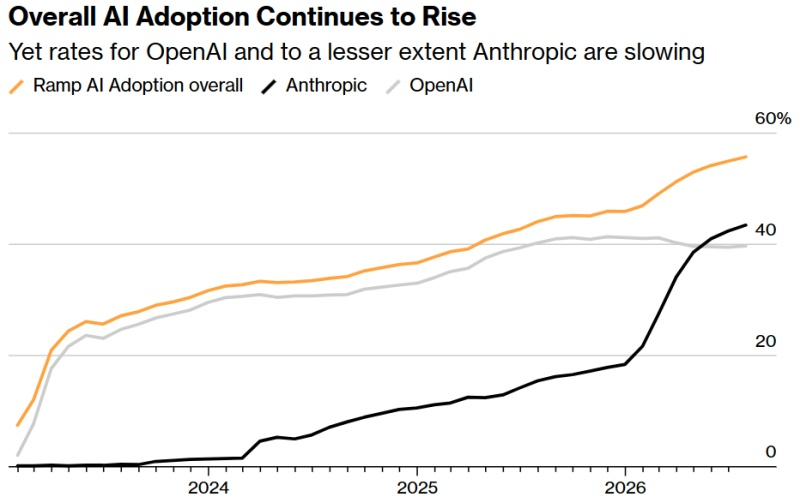
Optimists are betting on the growth of artificial intelligence consumption. The proportion of American companies paying related service fees is close to 60%, and costs are growing rapidly. Last quarter, the three largest hyperscale companies’ cloud revenue combined was approximately $106 billion, an increase of more than 40% from the same period last year. The range of AI spending by individual companies is huge: Some estimates put AI spending as high as $7,400 per employee per month in some cases, but the average company spends only about $12 per month.

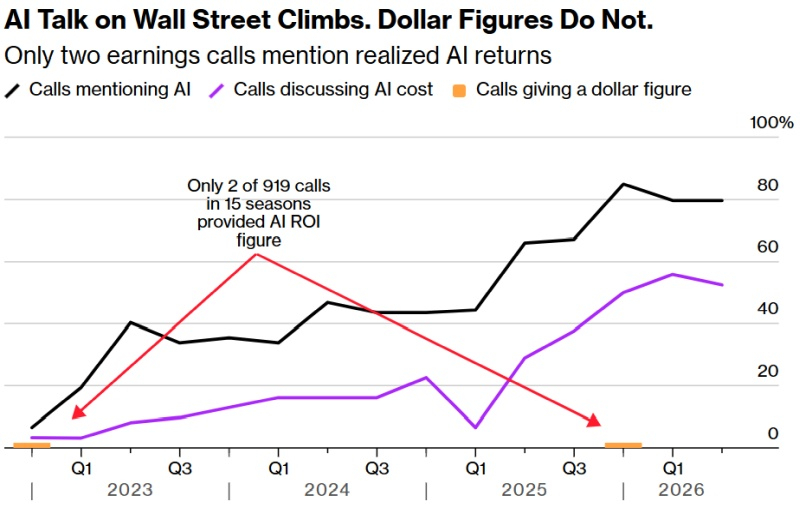
And there’s another problem: Even if the price of artificial intelligence falls rapidly, it doesn’t provide a clear financial return for many buyers. Milos Maricic, founder of the consulting firm Maximand, tested the effectiveness of introducing AI into office work by studying 919 financial statements from the largest 60 financial companies in the United States over three years. Four out of five reports mentioned artificial intelligence, and more than half included an estimate of its cost. However, only two companies reported actual financial returns from implementing the technology. According to Marisic, “Three years after artificial intelligence began implementation, companies buying technology still can’t estimate monetary returns».

Credit markets are also increasingly worried about the scale of financing for artificial intelligence infrastructure. At the same time, Rich Privorotsky, head of Goldman Sachs Group, said, “No one is cutting EPS forecasts or announcing plans to cut $1 in spending…the stock market is simply pricing in a wider range of possible outcomesProfit forecasts continue to rise while market multiples fall. Nvidia’s latest report brought some comfort to investors, even as the company warned that profitability could be squeezed as memory costs rise.
As a result, the AI economy was suddenly squeezed from many aspects. The products themselves are rapidly becoming cheaper, the required infrastructure is becoming more expensive, raising capital is becoming more expensive, and many enterprise customers cannot yet prove that investments in AI are paying off. The industry believes that the explosive growth in usage will overwhelm all these factors. But if this doesn’t happen, the current AI economy may not be sustainable.
If you find an error, select it with your mouse and press CTRL+ENTER.