


US authorities are reportedly investigating the activities of Singaporean logistics company Apex Logistics over alleged smuggling of Nvidia artificial intelligence accelerators Bloomberg Refer to people familiar with the matter. The case could set a precedent for holding a shipping company accountable for illegally shipping semiconductor products to circumvent U.S. export restrictions.
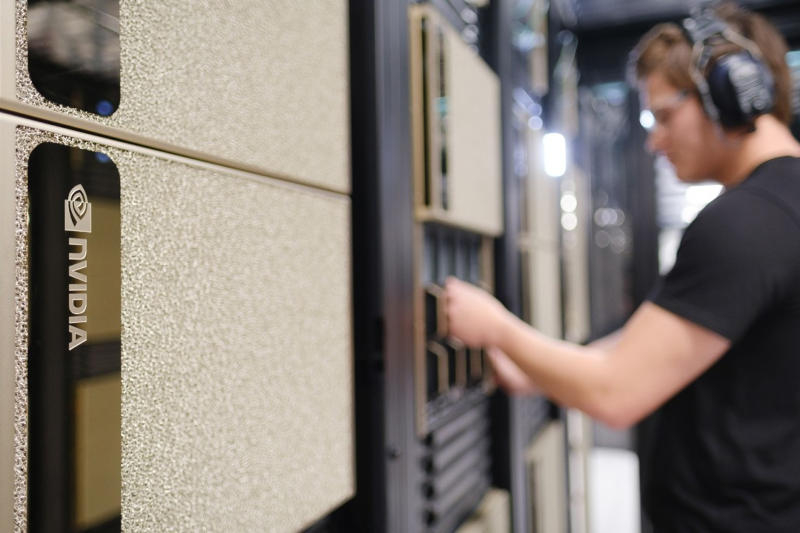
Image source: nvidia.com
The investigation is looking into whether Apex may have violated U.S. export restrictions by shipping server hardware with Nvidia accelerators made by Supermicro. Back in 2022, Washington restricted the supply of advanced artificial intelligence accelerators to China over concerns that Beijing could use them for military purposes. However, a shadow market quickly formed around these restrictions, with Chinese companies continuing to purchase billions of dollars worth of accelerators and prohibiting direct exports through third countries.
Authorities in other countries are also investigating such deliveries, including Singapore, where Apex is headquartered. The current case suggests that U.S. authorities believe international supply chain actors may have been involved in a scheme to ship Nvidia accelerators to China. It also serves as a warning to other logistics companies that involvement in transporting goods subject to U.S. export controls may result in liability.
Apex itself says the company is aware that “Washington has expressed concern and interest in the small number of shipments handled by Apex in 2024 that may include materials and equipment ultimately destined for prohibited locationsThe company said it was willing to cooperate with the investigation. Apex’s parent company, Swiss company Kuehne+Nagel, confirmed this, but the company itself has not received any requests from US authorities.
The expected supply of Nvidia equipment through Apex is still unknown. Bloomberg sources clarified that the company was shipping on behalf of the buyer, not the server manufacturer. Therefore, there may be no reason to hold AMD liable in this case.
Nvidia emphasizes that its products are sold to trusted partners, “Work with us to ensure all sales comply with U.S. export controlsThe company added that its own audits had helped identify alleged attempts to circumvent export restrictions that later became the subject of a federal criminal case.
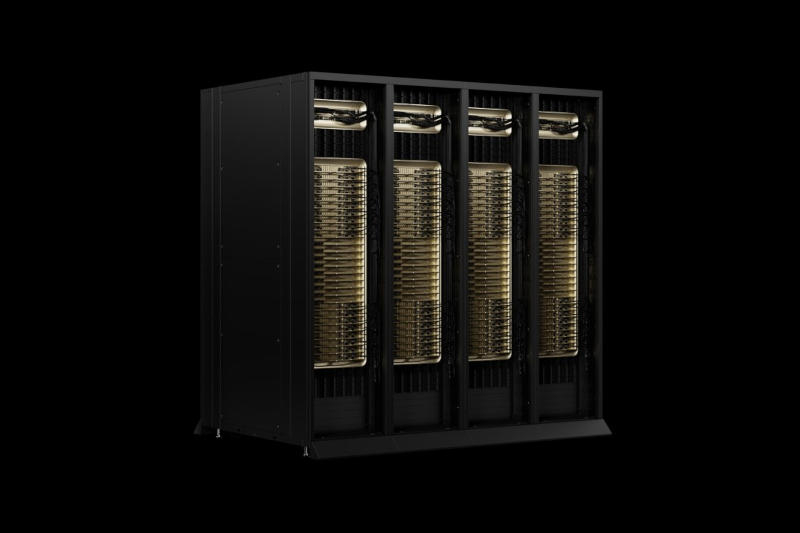
Last May, Nvidia CEO Jensen Huang expressed doubts about the scale of the company’s latest equipment smuggling problem: “The Grace Blackwell system weighs about two tons, so it won’t fit in a pocket or backpack anytime soonHowever, Apex’s website has a separate section dedicated to shipping computer equipment, and the company claims it has the ability to transport oversized loads and keep them safe from impacts.
Founded in 2001, Apex serves customers in the retail, chemical and aerospace industries. A 2025 press release stated that the company “Transformation from a Chinese logistics company to a global freight forwarding company“U.S. authorities are currently investigating some of its activities during its international expansion.
According to preliminary versions, servers with Nvidia accelerators can be transported along a complex route from Taiwan to the United States, then to one of the Asian countries, from there to Hong Kong and eventually to China. The phase of transporting equipment from the United States to Southeast Asia particularly attracted the attention of U.S. authorities.
Apex received the first request from U.S. authorities in 2024 and another in early 2025. Investigators are interested in a series of shipments starting in 2024 that were accompanied by codes indicating they were not subject to U.S. export controls. Sources revealed that the code was stolen by two former Apex employees who subsequently left the company.
In total, US authorities are inspecting 47 Apex shipments. It’s not yet possible to install the exact number of Nvidia systems there, but in some cases we’re talking about batches of 50-60 servers. Apex itself may not have complete information about the contents of the goods because it relies on classification codes provided by customers and two former employees to process the goods.
If you find an error, select it with your mouse and press CTRL+ENTER.