


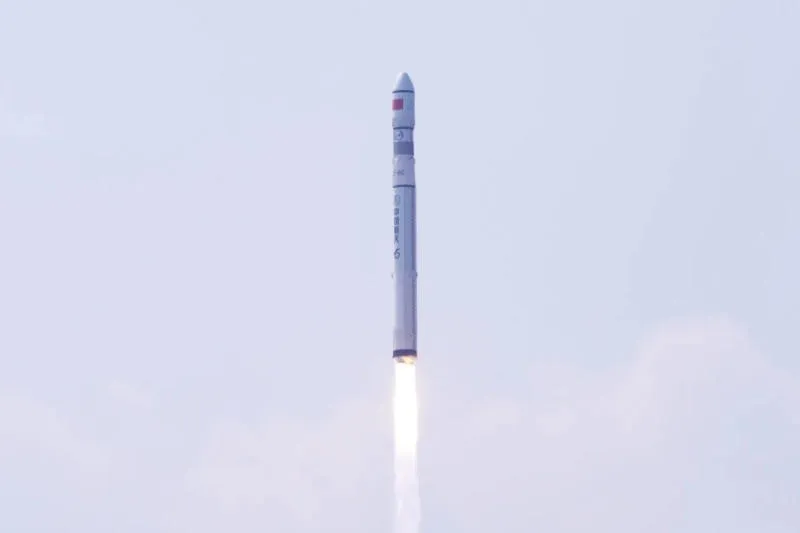
LeoLabs radar tracking space debris records “From tens to hundreds” Debris from China’s Long March 6C rocket launched this week. The debris could hamper the operations of SpaceX’s Starlink communications satellites and other constellations.
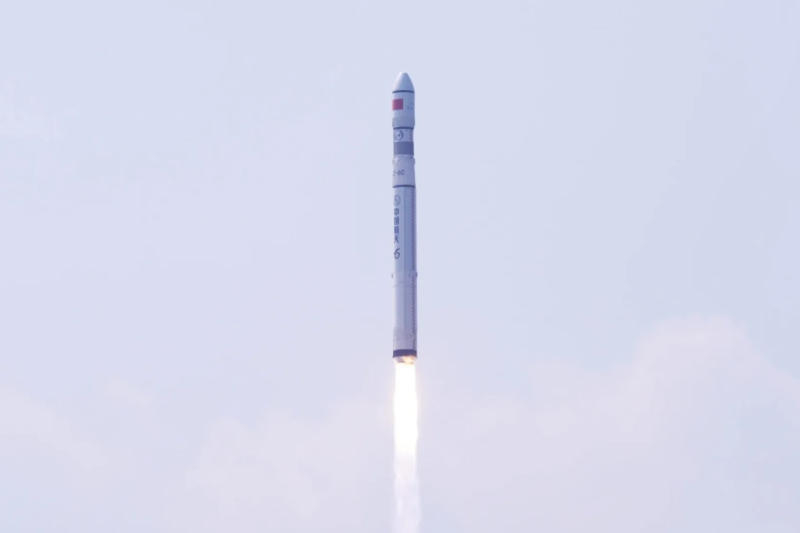
Image source: China Aerospace Science and Technology Corporation
China’s Long March 6C rocket launched this week and successfully put seven satellites into orbit, but its upper stage collapsed in low-Earth orbit, according to data from California-based LeoLabs. The wreckage was first discovered on August 26 by the LeoLabs radar station in Western Australia. “We quickly confirmed the event while re-flying a New Zealand radar station. Based on our estimates, dozens to hundreds of fragments were formed.”,— report in the company.
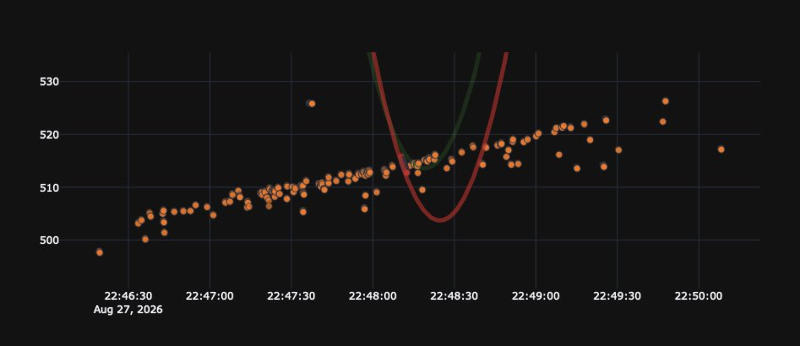
Image source: x.com/LeoLabs_Space
LeoLabs has not yet completed the analysis or provided final conclusions, but the company noted: “Based on similar debris events, the debris generated by this event may pose a collision hazard to any spacecraft at an altitude of no more than 1,000 kilometers.” The body of the Chinese rocket is located at an altitude of 396 to 482 kilometers; according to images released by LeoLabs, the debris is located at an altitude of 500 to 520 kilometers. They could cause problems for low-orbit satellite constellations, including Starlink, which currently has about 11,000 devices in orbit. This year, SpaceX began placing more than 4,000 Starlink satellites into orbits of 480 kilometers; currently, more than 8,500 vehicles are operating in orbits of 460 to 490 kilometers.
All Starlink satellites have built-in thrusters that allow them to maneuver and avoid collisions; from December 2025 to May 2026, they conducted more than 207,000 maneuvers, or about 40 per vehicle. SpaceX has also developed the Stargaze motion control system, which uses sensors on Starlink satellites to detect and track other objects. The Long March-6A rocket will put the debris into orbit in 2022 and 2024. LeoLabs reports that debris from the last rocket will leave orbit in a few years, and until then, the spacecraft industry will have to take additional measures. The company promised to provide more accurate information in the coming days; other sources did not report the incident.
If you find an error, select it with your mouse and press CTRL+ENTER.